THE ADVENTURE COLLECTIVE® · Independent discovery and booking for outdoor travel

Ride the River Spey between four iconic whisky stops with an expert guide who pairs tales and tasting. This three-hour small-group safari focuses on drams, landscapes, and local lore rather than behind-the-scenes factory tours.
Ride the River Spey between four iconic whisky stops with an expert guide who pairs tales and tasting. This three-hour small-group safari focuses on drams, landscapes, and local lore rather than behind-the-scenes factory tours.
You step from the van onto gravel beside the River Spey; the water glints and dares you to slow down. Mitch, the guide, uncorks the first dram and the peat-sweet air carries a dozen years of local stories. Over the next three hours you move deliberately through Speyside’s low hills — river flats giving way to stone dikes and the ghosts of old kilns — tasting four carefully chosen whiskies at hand-picked locations.
Verified experiences and guided adventures in the surrounding area.
Operated by CopperCairn Whisky Adventures and Experiences · Aberlour, Moray
You step from the van onto gravel beside the River Spey; the water glints and dares you to slow down. Mitch, the guide, uncorks the first dram and the peat-sweet air carries a dozen years of local stories. Over the next three hours you move deliberately through Speyside’s low hills — river flats giving way to stone dikes and the ghosts of old kilns — tasting four carefully chosen whiskies at hand-picked locations.
Speyside grew up around barley, spring water and shallow peat; by the 19th century its sheltered valleys hosted more distilleries than almost anywhere in Scotland. Geology here is forgiving: rounded granite and schists, abundant springs, and a river that has long powered mills and cooled spirit. Culture is as much about community pubs and cooperages as it is about bottles; names like Cardhu, Glenfiddich and Balvenie tell both commercial and family histories, with tales of illicit stills and determined founders.
Practically, expect short walks between viewpoints and distillery exteriors rather than full factory tours. The tour balances tasting with storytelling — bring a valid ID, pace your drams, and plan a safe ride home. Aim for mid-afternoon light for the best photos: Craigellachie Bridge and the ruins of Balvenie Castle make natural backdrops. Weather shifts fast; a light waterproof and sturdy shoes make the day smoother. Buy locally if a bottle tempts you — many rare casks are only sold regionally. In three hours you leave with fuller knowledge of Speyside’s craft, a few good drams, and a clearer sense of why this valley feels like whisky’s heartland.
easy.
3 hours.
Suitable for most fitness levels — mostly short, flat walks and standing during tastings.
No — this tasting tour focuses on curated drams and outdoor stops; internal distillery tours are not included but can sometimes be booked separately with advance notice.
You must be of legal drinking age in the UK (18+) and carry valid photo ID to participate.
The itinerary lists specific meeting and end points in Aberlour; check booking details for pickup options or public transport connections.
The tour involves short walks on uneven ground and standing during tastings; it’s generally suitable for most people but discuss specific needs with the operator ahead of time.
Speyside became Scotland’s whisky heart in the 19th century due to reliable spring water, local barley and a concentration of family-run distilleries; smuggling and illicit stills shaped early techniques and lore.
Distilleries increasingly focus on sustainable water use and peatland restoration; support responsible operators and avoid single-use plastics when touring.
CopperCairn Whisky Adventures and Experiences operates guided outdoor trips and adventures with an emphasis on safety, stewardship, and memorable experiences.
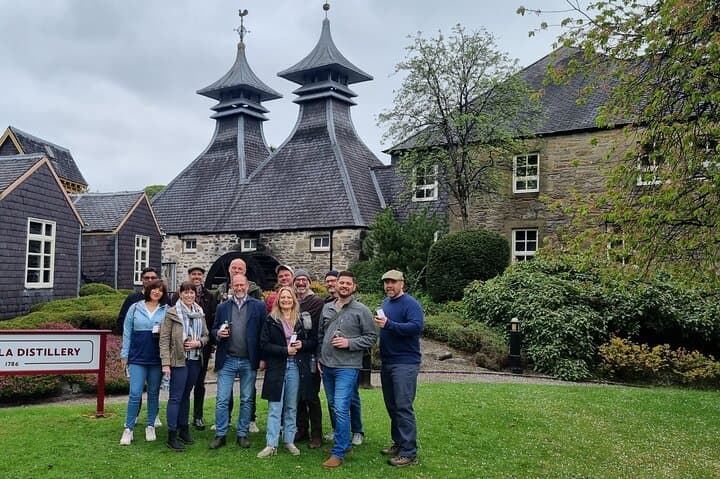
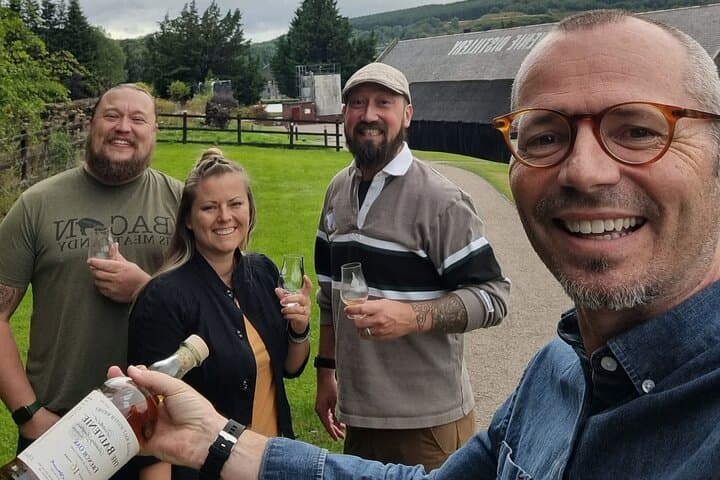
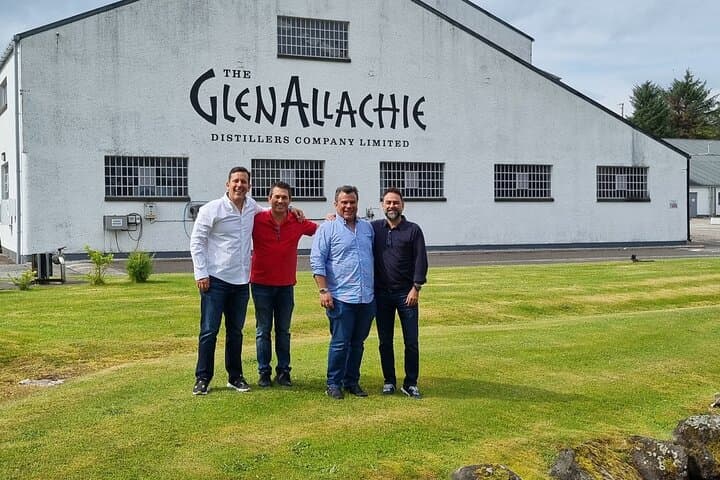
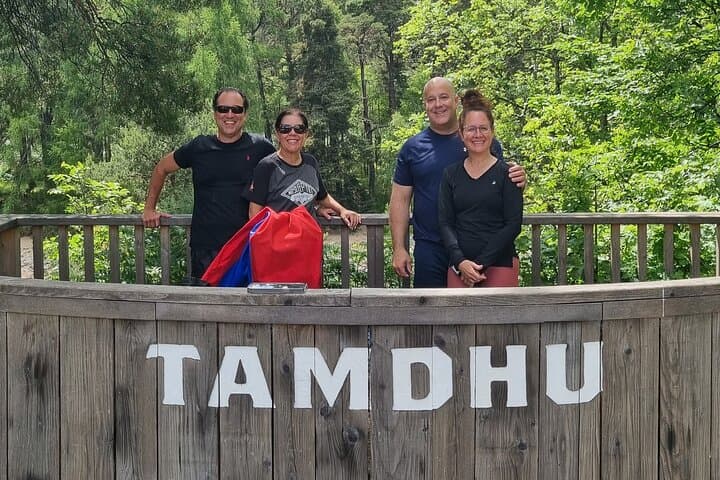
You step from the van onto gravel beside the River Spey; the water glints and dares you to slow down. Mitch, the guide, uncorks the first dram and the peat-sweet air carries a dozen years of local stories. Over the next three hours you move deliberately through Speyside’s low hills — river flats giving way to stone dikes and the ghosts of old kilns — tasting four carefully chosen whiskies at hand-picked locations.
You step from the van onto gravel beside the River Spey; the water glints and dares you to slow down. Mitch, the guide, uncorks the first dram and the peat-sweet air carries a dozen years of local stories. Over the next three hours you move deliberately through Speyside’s low hills — river flats giving way to stone dikes and the ghosts of old kilns — tasting four carefully chosen whiskies at hand-picked locations.
Speyside grew up around barley, spring water and shallow peat; by the 19th century its sheltered valleys hosted more distilleries than almost anywhere in Scotland. Geology here is forgiving: rounded granite and schists, abundant springs, and a river that has long powered mills and cooled spirit. Culture is as much about community pubs and cooperages as it is about bottles; names like Cardhu, Glenfiddich and Balvenie tell both commercial and family histories, with tales of illicit stills and determined founders.
Practically, expect short walks between viewpoints and distillery exteriors rather than full factory tours. The tour balances tasting with storytelling — bring a valid ID, pace your drams, and plan a safe ride home. Aim for mid-afternoon light for the best photos: Craigellachie Bridge and the ruins of Balvenie Castle make natural backdrops. Weather shifts fast; a light waterproof and sturdy shoes make the day smoother. Buy locally if a bottle tempts you — many rare casks are only sold regionally. In three hours you leave with fuller knowledge of Speyside’s craft, a few good drams, and a clearer sense of why this valley feels like whisky’s heartland.