THE ADVENTURE COLLECTIVE® · Independent discovery and booking for outdoor travel

Enter a quiet underground night sky at Spellbound Cave—an intimate small-group tour from Auckland that pairs karst geology, Māori history, and a carpet of bioluminescent glowworms. Practical tips and what to expect on the 10-hour roundtrip included.
Enter a quiet underground night sky at Spellbound Cave—an intimate small-group tour from Auckland that pairs karst geology, Māori history, and a carpet of bioluminescent glowworms. Practical tips and what to expect on the 10-hour roundtrip included.
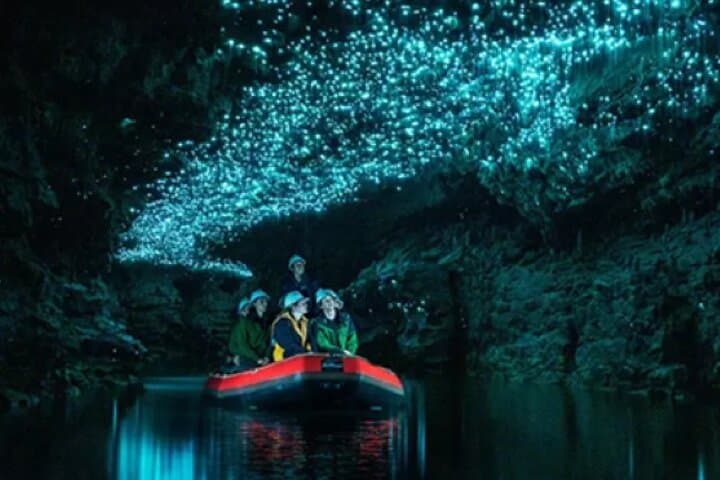
You step from the coach into a soft, cool hush—the limestone throat of Waitomo seems to breathe around you as tiny lights begin to wink into life overhead. The Spellbound Cave tour moves deliberately; small groups mean silence, a tea-and-biscuits break, and a careful walk under a ceiling alive with bioluminescent glowworms.
Verified experiences and guided adventures in the surrounding area.
Operated by NAVI Tours New Zealand · Waitomo Village, Waikato
You step from the coach into a soft, cool hush—the limestone throat of Waitomo seems to breathe around you as tiny lights begin to wink into life overhead. The Spellbound Cave tour moves deliberately; small groups mean silence, a tea-and-biscuits break, and a careful walk under a ceiling alive with bioluminescent glowworms.
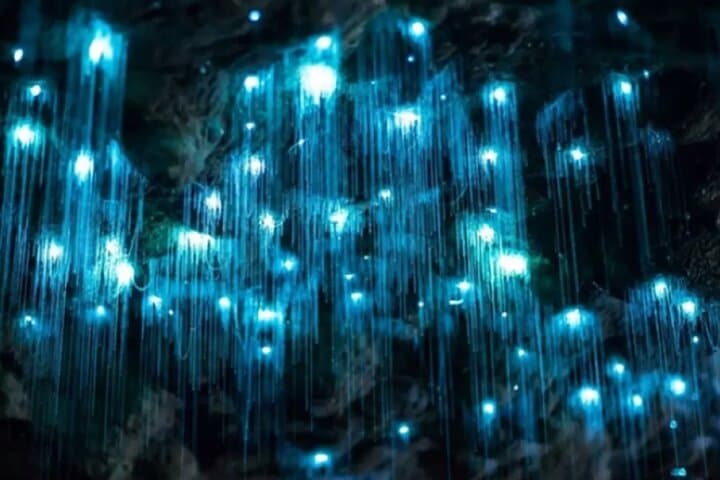
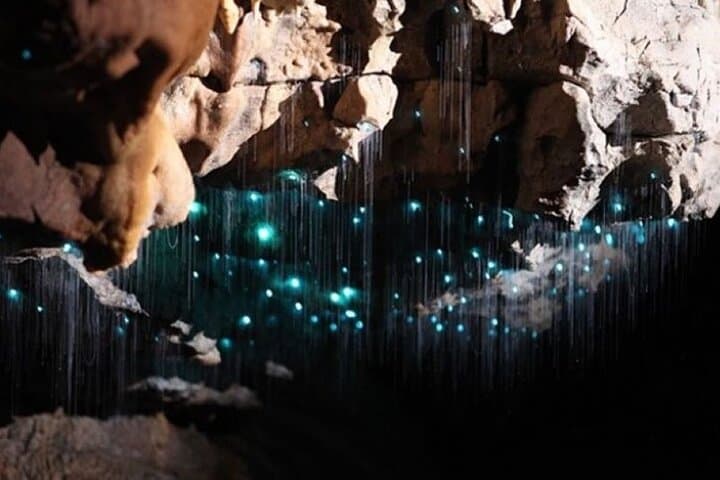
Geology here is plainly written in stone: the Waikato karst formed under a shallow sea, then folded and dissolved into caverns of flowstone and delicate rimstone pools. The glowworms (Arachnocampa luminosa) are endemic to New Zealand and have long been a cultural and natural draw for local iwi and early European visitors—caves were used for shelter, food storage and as carved landmarks in Māori oral history.
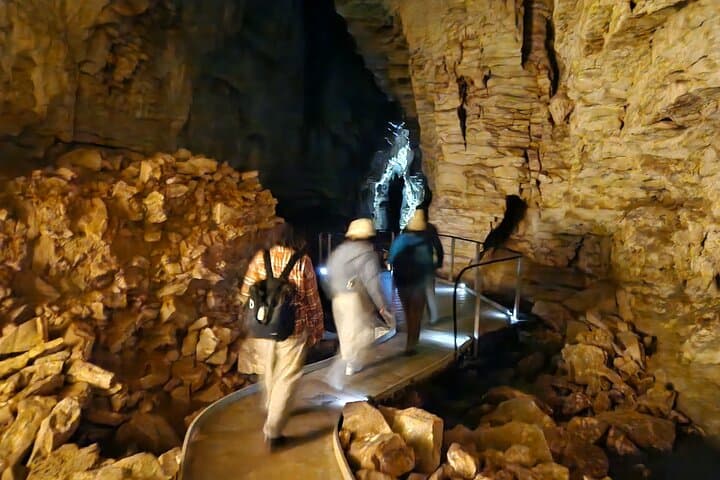
Expect narrow passages, short stair sections and large chambers where the ceiling opens into a starfield of light. Photography is usually allowed but follow your guide’s instructions—bright flashes can disturb the glow. The day typically departs Auckland and returns the same evening; the total outing is about ten hours, much of it on the road.
Practical notes: wear sturdy, non-slip shoes and a light waterproof layer—the cave temperature sits cool year-round (around 10–13°C). Bring a small daypack, spare batteries for cameras, and patience for traffic between Auckland and Waitomo. This small-group format is best for travelers who value calm, focused time inside a rare subterranean ecosystem rather than a rushed, crowded show.
easy.
10 hours (includes travel and lunch).
Suitable for most fitness levels; requires walking on stairs and uneven surfaces for short periods.
The full experience is about 10 hours roundtrip, including coach transfers, the guided cave visit, and a lunch break.
Yes—this is rated easy and infant seats are available; check with the operator when booking for specific needs.
Photography is generally allowed but follow guide instructions; avoid flash since bright light can affect glowworms.
Layered clothing and non-slip shoes are recommended—the cave stays cool (about 10–13°C) and ground can be damp.
Local Māori used many Waitomo caves for shelter, food storage and as landmarks; European explorers later mapped the karst systems for tourism.
Glowworm habitat is sensitive to light and moisture—stay on paths, follow guide instructions, and minimise bright or prolonged light use to protect the ecosystem.
NAVI Tours New Zealand operates guided outdoor trips and adventures with an emphasis on safety, stewardship, and memorable experiences.
You step from the coach into a soft, cool hush—the limestone throat of Waitomo seems to breathe around you as tiny lights begin to wink into life overhead. The Spellbound Cave tour moves deliberately; small groups mean silence, a tea-and-biscuits break, and a careful walk under a ceiling alive with bioluminescent glowworms.
You step from the coach into a soft, cool hush—the limestone throat of Waitomo seems to breathe around you as tiny lights begin to wink into life overhead. The Spellbound Cave tour moves deliberately; small groups mean silence, a tea-and-biscuits break, and a careful walk under a ceiling alive with bioluminescent glowworms.
Geology here is plainly written in stone: the Waikato karst formed under a shallow sea, then folded and dissolved into caverns of flowstone and delicate rimstone pools. The glowworms (Arachnocampa luminosa) are endemic to New Zealand and have long been a cultural and natural draw for local iwi and early European visitors—caves were used for shelter, food storage and as carved landmarks in Māori oral history.
Expect narrow passages, short stair sections and large chambers where the ceiling opens into a starfield of light. Photography is usually allowed but follow your guide’s instructions—bright flashes can disturb the glow. The day typically departs Auckland and returns the same evening; the total outing is about ten hours, much of it on the road.
Practical notes: wear sturdy, non-slip shoes and a light waterproof layer—the cave temperature sits cool year-round (around 10–13°C). Bring a small daypack, spare batteries for cameras, and patience for traffic between Auckland and Waitomo. This small-group format is best for travelers who value calm, focused time inside a rare subterranean ecosystem rather than a rushed, crowded show.