THE ADVENTURE COLLECTIVE® · Independent discovery and booking for outdoor travel

Board a fast, small-group speedboat from Funchal for a responsible two-hour whale and dolphin watching tour led by marine biologists. Expect close, ethical encounters, research updates, and practical guidance for comfortable viewing.
Board a fast, small-group speedboat from Funchal for a responsible two-hour whale and dolphin watching tour led by marine biologists. Expect close, ethical encounters, research updates, and practical guidance for comfortable viewing.
The ocean opens like a cold, bright throat as the speedboat slips from Funchal's pier. Spray lifts and the horizon sharpens; dolphins appear as curved shadows that tease the bow, while larger silhouettes rise and breathe, indifferent to our passing.
Verified experiences and guided adventures in the surrounding area.
Operated by Azul Diving Madeira · Funchal, Madeira
The ocean opens like a cold, bright throat as the speedboat slips from Funchal's pier. Spray lifts and the horizon sharpens; dolphins appear as curved shadows that tease the bow, while larger silhouettes rise and breathe, indifferent to our passing.
Madeira's volcanic shelves drop steeply into the Atlantic, creating nutrient-rich currents that attract over 20 recorded cetacean species. The island's maritime history includes a 20th-century whaling chapter now replaced by conservation—local researchers work from boats like this one to monitor migrations and health, turning sightings into data.
Culturally, the sea is central to Madeira: fishermen's villages, basalt cliffs, and a tradition of careful navigation shape how tours operate here. Geology matters—the steep submarine canyons produce upwellings that draw squid and fish, which in turn draw dolphins and sperm whales. Guides on responsible trips are trained to read behavior and keep distance, minimizing disturbance while maximizing observation.
Practically, expect a two-hour excursion on a fast, custom-built vessel with a small group and a marine biologist on board. Encounters can be close and dynamic—animals may ride bow waves or surface at a distance. Seas vary: mornings are often calmer, afternoons windier. Wear a windproof layer, use binoculars, and consider motion-sickness prevention. Respect crew briefings: no chasing, no feeding, and follow photography guidance to avoid flash or loud noise.
Return to shore with notes from researchers and a clearer sense of how Madeira’s marine life moves through deep water and human attention—an energetic, educational outing that balances thrill with responsibility.
easy.
2 hours.
Suitable for most fitness levels; ability to step on/off a small boat and stand for stretches of time is required.
No—sightings cannot be guaranteed, but Madeira’s waters have a high cetacean density and operators work with researchers to maximize responsible encounter chances.
Yes—tours are generally suitable for most ages, but the boat involves movement and brief standing; notify operators of special needs when booking.
Bring pre-treatment medication or acupressure bands; crews usually have basic remedies but preemptive measures are most effective.
Operators typically cancel for adverse weather and offer a full refund if canceled at least 24 hours before departure or if the tour is called off due to conditions.
Madeira transitioned from subsistence fishing and mid-20th-century whaling to modern conservation and cetacean research, with local groups now monitoring populations.
Tours contribute to ongoing research and use no-chase protocols to reduce disturbance; choose operators that share data with scientists.
Azul Diving Madeira operates guided outdoor trips and adventures with an emphasis on safety, stewardship, and memorable experiences.
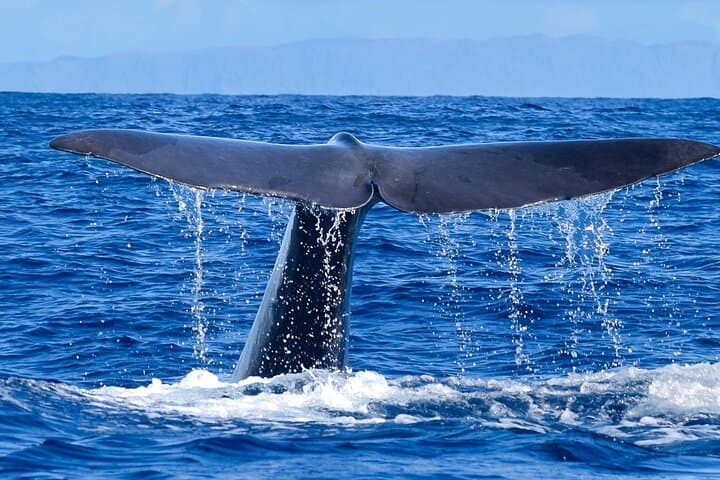
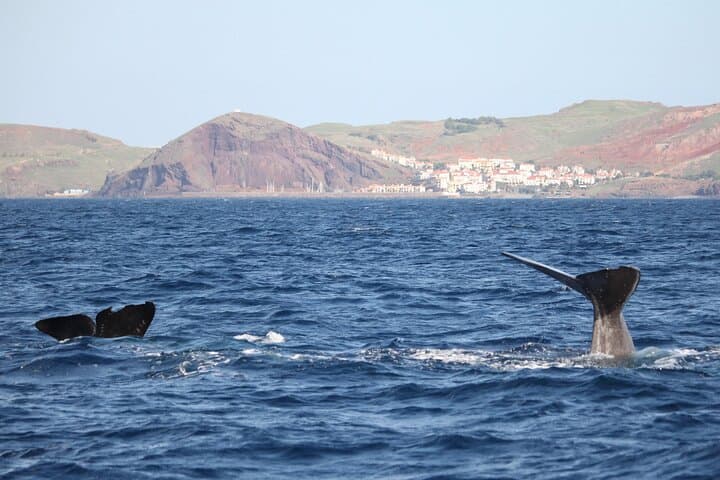
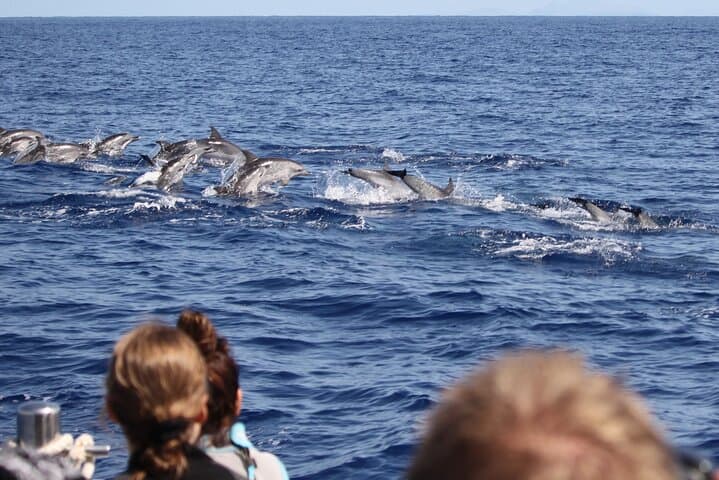
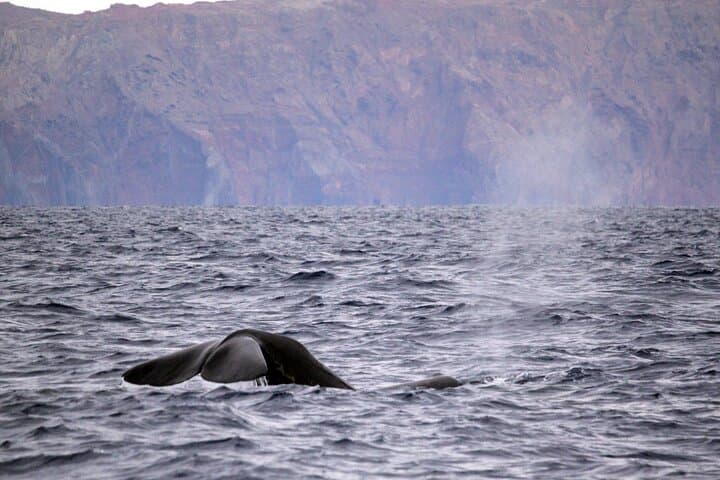
The ocean opens like a cold, bright throat as the speedboat slips from Funchal's pier. Spray lifts and the horizon sharpens; dolphins appear as curved shadows that tease the bow, while larger silhouettes rise and breathe, indifferent to our passing.
The ocean opens like a cold, bright throat as the speedboat slips from Funchal's pier. Spray lifts and the horizon sharpens; dolphins appear as curved shadows that tease the bow, while larger silhouettes rise and breathe, indifferent to our passing.
Madeira's volcanic shelves drop steeply into the Atlantic, creating nutrient-rich currents that attract over 20 recorded cetacean species. The island's maritime history includes a 20th-century whaling chapter now replaced by conservation—local researchers work from boats like this one to monitor migrations and health, turning sightings into data.
Culturally, the sea is central to Madeira: fishermen's villages, basalt cliffs, and a tradition of careful navigation shape how tours operate here. Geology matters—the steep submarine canyons produce upwellings that draw squid and fish, which in turn draw dolphins and sperm whales. Guides on responsible trips are trained to read behavior and keep distance, minimizing disturbance while maximizing observation.
Practically, expect a two-hour excursion on a fast, custom-built vessel with a small group and a marine biologist on board. Encounters can be close and dynamic—animals may ride bow waves or surface at a distance. Seas vary: mornings are often calmer, afternoons windier. Wear a windproof layer, use binoculars, and consider motion-sickness prevention. Respect crew briefings: no chasing, no feeding, and follow photography guidance to avoid flash or loud noise.
Return to shore with notes from researchers and a clearer sense of how Madeira’s marine life moves through deep water and human attention—an energetic, educational outing that balances thrill with responsibility.