THE ADVENTURE COLLECTIVE® · Independent discovery and booking for outdoor travel

Take a full-day speedboat from Puno across Lake Titicaca to the floating Uros islands and the textile-rich Taquile. Expect reed islands, traditional lunches, and easy walking on uneven terrain.
Take a full-day speedboat from Puno across Lake Titicaca to the floating Uros islands and the textile-rich Taquile. Expect reed islands, traditional lunches, and easy walking on uneven terrain.
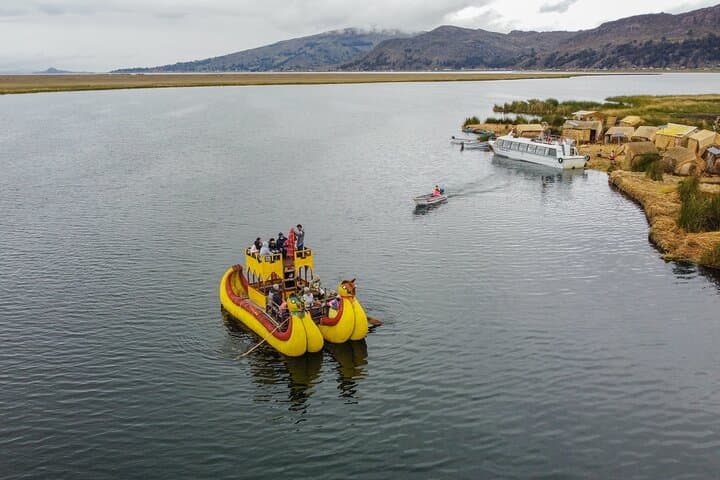
Morning light fractures across Lake Titicaca as a high-speed motorboat slips away from Puno’s pier. The wind sharpens the air; gulls ride the bow wave as reeds and water pull the passenger’s gaze toward low, human-made islands that seem to float with deliberate calm.
Verified experiences and guided adventures in the surrounding area.
Operated by FLY CUSCO Perú Travel Agency · Puno, Puno
Morning light fractures across Lake Titicaca as a high-speed motorboat slips away from Puno’s pier. The wind sharpens the air; gulls ride the bow wave as reeds and water pull the passenger’s gaze toward low, human-made islands that seem to float with deliberate calm.
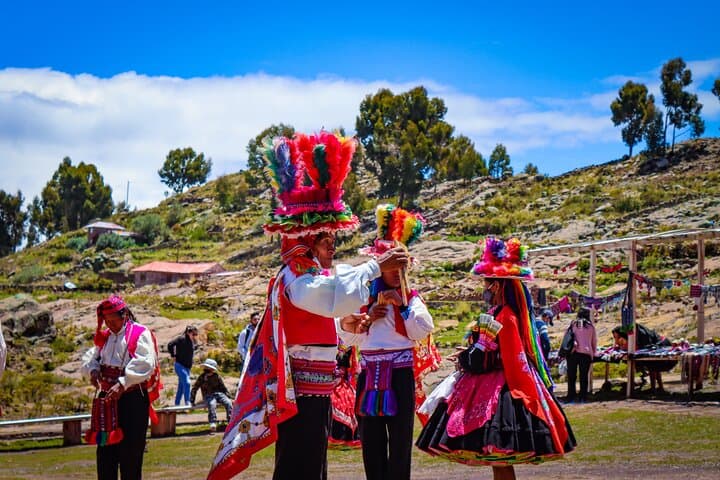
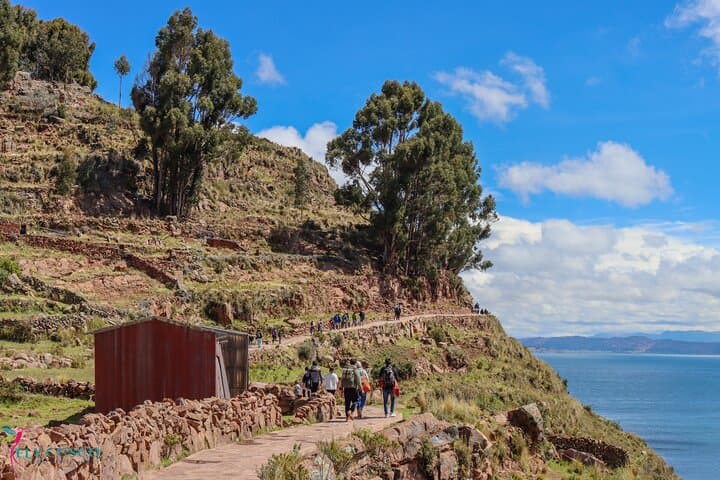
These are the Uros, bundles of totora reed lashed into platforms centuries ago as a defensive response to conflict on the mainland. The geology of Lake Titicaca — a high Andean basin sitting above 3,800 meters — shapes life here: low oxygen, cool sun, and a shoreline of volcanic and glacially scoured rock. A short ride brings you to Taquile Island, where men and women continue an intensive textile tradition recognized by UNESCO; the island’s terraces and stone paths climb from shore to a central plaza with sweeping lake views.
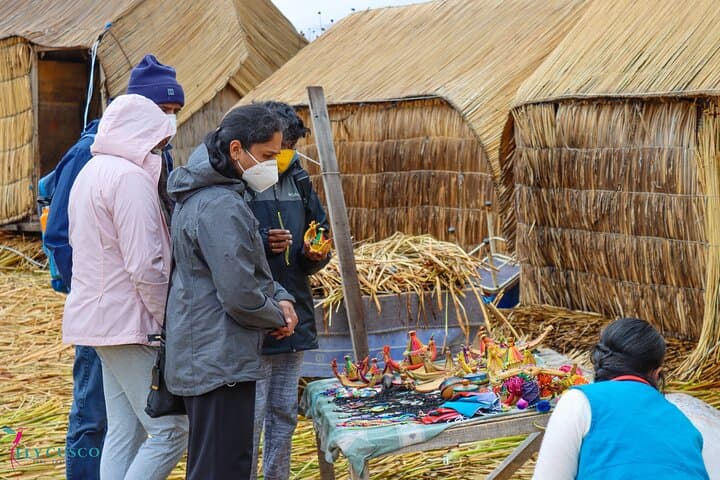
Visitors should expect a mix of cultural exchange and easy walking: reed-boat demonstrations, visits to reed homes, artisan markets, and a traditional lunch on Taquile. Guides explain practicalities — reed replacement cycles, dyeing techniques, and how altitude affects pace. Nature here has character: the lake pushes quietly, the wind interrogates your layers, and the sun demands sunscreen.
Practical tips: depart early from Puno, carry small bills for handicrafts, bring a windproof layer and water, and plan for uneven surfaces and short stair climbs. Bathrooms are basic on the islands; travel insurance and altitude awareness are recommended. The day is immersive, straightforward, and rooted in living traditions that remain linked to the lake’s rhythm.
easy.
9 hours.
Suitable for most travelers who can walk short distances on uneven surfaces and climb a few steps; not strenuous.
The excursion is a full-day experience of about 9 hours, generally leaving Puno in the morning and returning late afternoon.
Yes; Uros islands are regularly maintained reed platforms that accommodate visitors, but surfaces can be uneven and soft—watch your step.
Yes; Lake Titicaca sits around 3,800 m. Allow 24–48 hours in Puno to acclimatize, hydrate, and avoid heavy exertion beforehand.
Yes; Taquile has cooperatives selling handwoven textiles and Uros families often sell small souvenirs. Bring cash in small denominations for purchases.
The Uros islands were created from totora reeds as floating refuges before Spanish contact; Taquile retains a textile culture with communal weaving and social roles that predate modern tourism.
Reed beds are fragile and require constant maintenance; responsible tours limit visitor impact and support local craft cooperatives to channel tourism revenue back into island upkeep.
FLY CUSCO Perú Travel Agency operates guided outdoor trips and adventures with an emphasis on safety, stewardship, and memorable experiences.
Morning light fractures across Lake Titicaca as a high-speed motorboat slips away from Puno’s pier. The wind sharpens the air; gulls ride the bow wave as reeds and water pull the passenger’s gaze toward low, human-made islands that seem to float with deliberate calm.
Morning light fractures across Lake Titicaca as a high-speed motorboat slips away from Puno’s pier. The wind sharpens the air; gulls ride the bow wave as reeds and water pull the passenger’s gaze toward low, human-made islands that seem to float with deliberate calm.
These are the Uros, bundles of totora reed lashed into platforms centuries ago as a defensive response to conflict on the mainland. The geology of Lake Titicaca — a high Andean basin sitting above 3,800 meters — shapes life here: low oxygen, cool sun, and a shoreline of volcanic and glacially scoured rock. A short ride brings you to Taquile Island, where men and women continue an intensive textile tradition recognized by UNESCO; the island’s terraces and stone paths climb from shore to a central plaza with sweeping lake views.
Visitors should expect a mix of cultural exchange and easy walking: reed-boat demonstrations, visits to reed homes, artisan markets, and a traditional lunch on Taquile. Guides explain practicalities — reed replacement cycles, dyeing techniques, and how altitude affects pace. Nature here has character: the lake pushes quietly, the wind interrogates your layers, and the sun demands sunscreen.
Practical tips: depart early from Puno, carry small bills for handicrafts, bring a windproof layer and water, and plan for uneven surfaces and short stair climbs. Bathrooms are basic on the islands; travel insurance and altitude awareness are recommended. The day is immersive, straightforward, and rooted in living traditions that remain linked to the lake’s rhythm.