THE ADVENTURE COLLECTIVE® · Independent discovery and booking for outdoor travel

Hop a speedboat from Koh Lanta for a full-day snorkel between Koh Rok’s soft sand and Koh Haa’s limestone islets. Expect clear water, diverse coral gardens, and guided reef stops with lunch and transfers included.
Hop a speedboat from Koh Lanta for a full-day snorkel between Koh Rok’s soft sand and Koh Haa’s limestone islets. Expect clear water, diverse coral gardens, and guided reef stops with lunch and transfers included.
You step onto the speedboat as morning light slides across the Andaman—sea spray on your face, engine humming beneath the deck, and the coastline of Koh Lanta shrinking behind you.
Verified experiences and guided adventures in the surrounding area.
Operated by Oh-Hoo · Koh Lanta, Krabi
You step onto the speedboat as morning light slides across the Andaman—sea spray on your face, engine humming beneath the deck, and the coastline of Koh Lanta shrinking behind you.
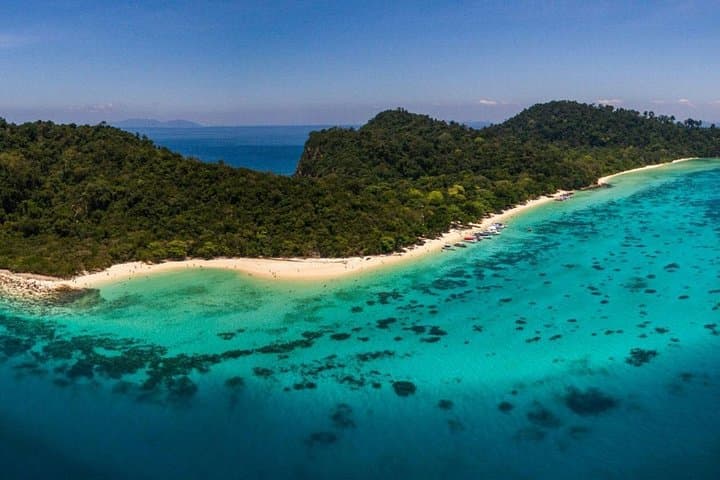
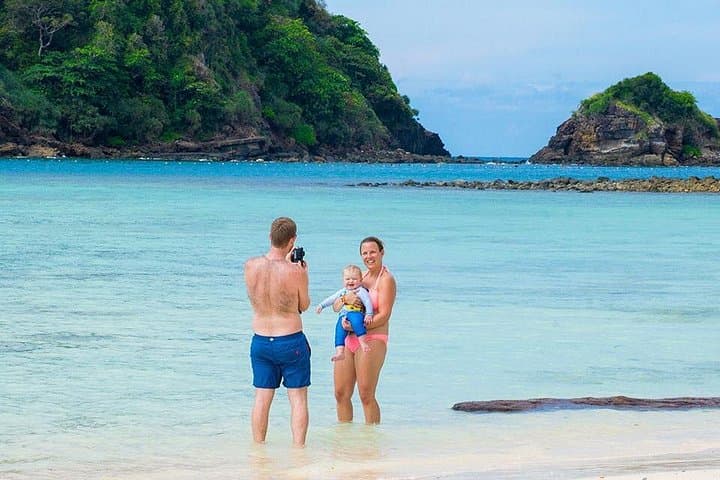
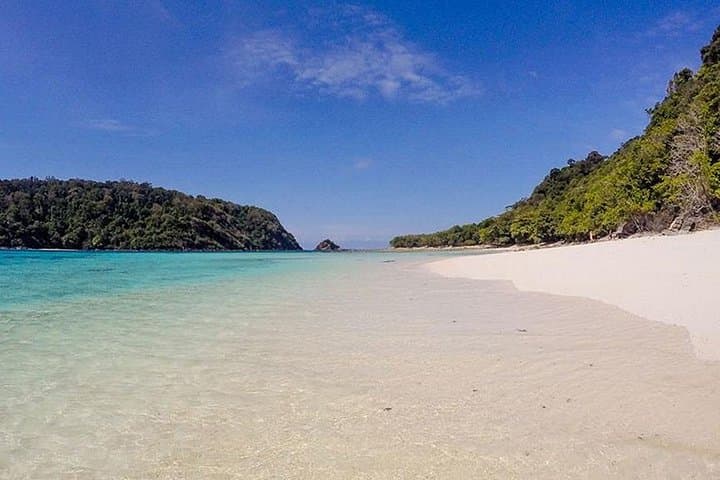
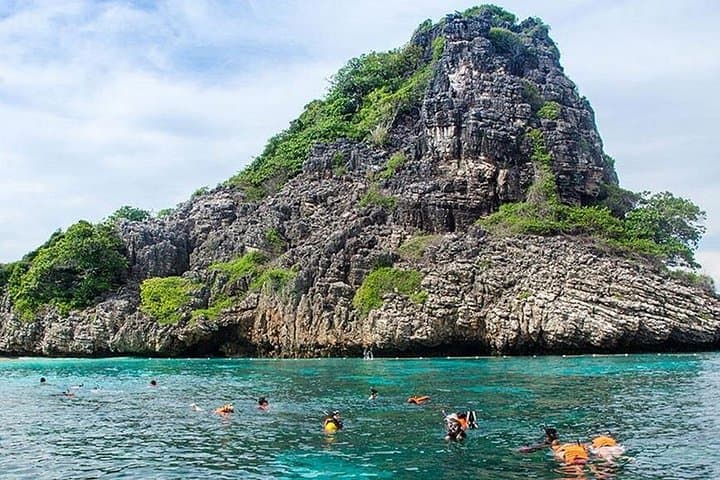
Koh Rok and Koh Haa sit like sculpted stones in clear water: Koh Rok offers long white beaches framed by shallow coral gardens, while Koh Haa is a cluster of five limestone islets with cavernous inlets and deep drop-offs. Geologically, these islands are part of the Andaman shelf where coral growth and weathered limestone create sudden changes in depth and visibility. Local fishers have long read these waters; today guides point out feeding grounds and reef patches that support parrotfish, wrasse, and the occasional hawksbill turtle.
Expect a day split between snorkel stops and beach time—roughly two hours at Koh Rok and about three at Koh Haa on typical itineraries—plus boat transfers. The current can be cheeky around channels; guides choose spots based on tides and visibility. Buffet lunch and hotel pickup simplify logistics, and basic safety gear is provided.
Practical guidance: bring reef-safe sunscreen, a snug mask or use the provided fit check, and a light long-sleeve rash guard for sun and chafe. Hydrate before you board; motion can sharpen or dull appetite. Follow guide briefings for entry and exit points, avoid touching coral, and photograph from a distance. Time your trip in the dry season (Nov–Apr) for the clearest water, but expect warmer, calmer conditions through March.
This outing is straightforward and rewarding—marine life that pushes you to float and look closer, beaches that invite a slow, restorative walk, and a speedboat that gets you between worlds in an afternoon.
easy.
7–8 hours.
Suitable for casual travelers who can swim short distances and handle repeated water entries; basic stamina helps for a full day on the boat.
Typical one-way transfers range from 30 to 60 minutes depending on sea conditions and exact pick-up location; the full day trip is usually 7–8 hours.
Yes—basic snorkeling masks, life jackets, and first aid are included, though many travelers bring their own mask for fit and comfort.
Yes; sites include shallow coral gardens suitable for novices, but everyone should be comfortable in the water and follow guide instructions.
The dry season from November to April generally offers the clearest visibility, with calm seas and less rain.
These islands sit in the Andaman Sea and have long supported coastal fishing communities; recent tourism has focused on regulated snorkeling and day‑trip access.
Coral reefs here are vulnerable—use reef‑safe products, avoid stepping on coral, and follow guides to minimize anchor and contact damage.
Oh-Hoo operates guided outdoor trips and adventures with an emphasis on safety, stewardship, and memorable experiences.
You step onto the speedboat as morning light slides across the Andaman—sea spray on your face, engine humming beneath the deck, and the coastline of Koh Lanta shrinking behind you.
You step onto the speedboat as morning light slides across the Andaman—sea spray on your face, engine humming beneath the deck, and the coastline of Koh Lanta shrinking behind you.
Koh Rok and Koh Haa sit like sculpted stones in clear water: Koh Rok offers long white beaches framed by shallow coral gardens, while Koh Haa is a cluster of five limestone islets with cavernous inlets and deep drop-offs. Geologically, these islands are part of the Andaman shelf where coral growth and weathered limestone create sudden changes in depth and visibility. Local fishers have long read these waters; today guides point out feeding grounds and reef patches that support parrotfish, wrasse, and the occasional hawksbill turtle.
Expect a day split between snorkel stops and beach time—roughly two hours at Koh Rok and about three at Koh Haa on typical itineraries—plus boat transfers. The current can be cheeky around channels; guides choose spots based on tides and visibility. Buffet lunch and hotel pickup simplify logistics, and basic safety gear is provided.
Practical guidance: bring reef-safe sunscreen, a snug mask or use the provided fit check, and a light long-sleeve rash guard for sun and chafe. Hydrate before you board; motion can sharpen or dull appetite. Follow guide briefings for entry and exit points, avoid touching coral, and photograph from a distance. Time your trip in the dry season (Nov–Apr) for the clearest water, but expect warmer, calmer conditions through March.
This outing is straightforward and rewarding—marine life that pushes you to float and look closer, beaches that invite a slow, restorative walk, and a speedboat that gets you between worlds in an afternoon.