THE ADVENTURE COLLECTIVE® · Independent discovery and booking for outdoor travel

A quick, three-hour speedboat shuttle delivers you from Corralejo to Isla de Lobos—an exposed volcanic islet with short trails, a lighthouse and notable birdlife. Ideal for travelers who want a concentrated nature escape without a long transit.
A quick, three-hour speedboat shuttle delivers you from Corralejo to Isla de Lobos—an exposed volcanic islet with short trails, a lighthouse and notable birdlife. Ideal for travelers who want a concentrated nature escape without a long transit.
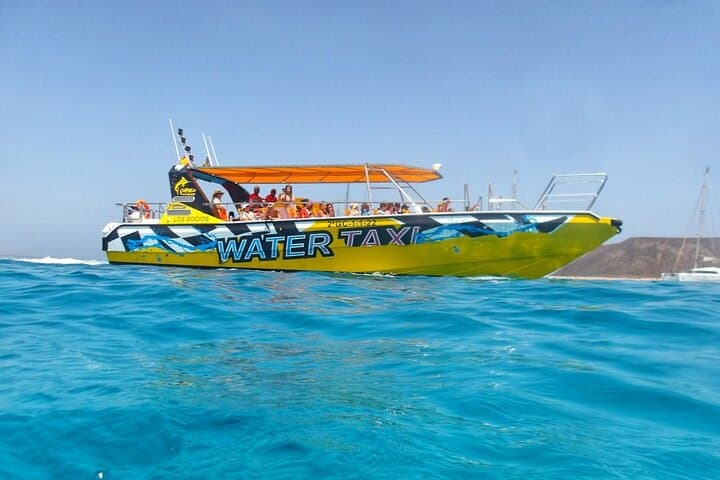
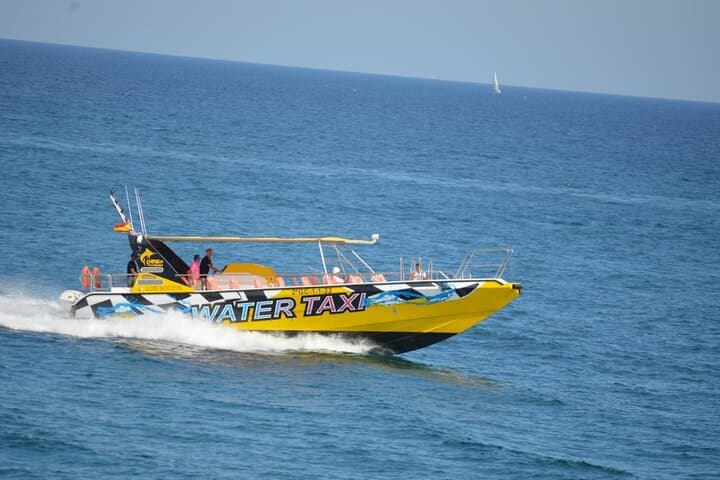
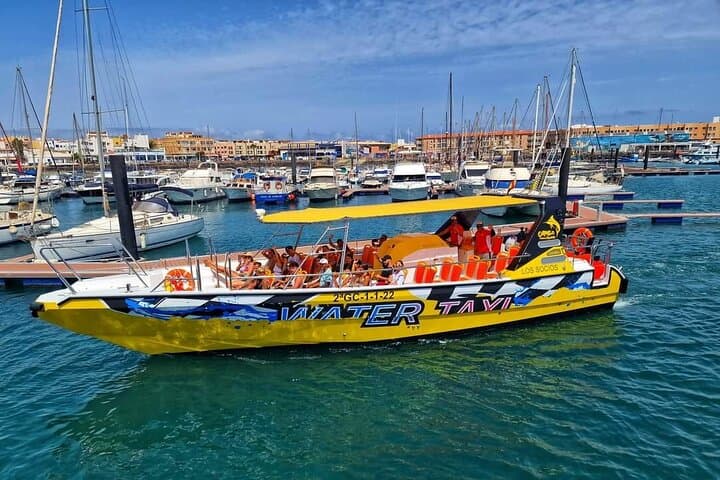
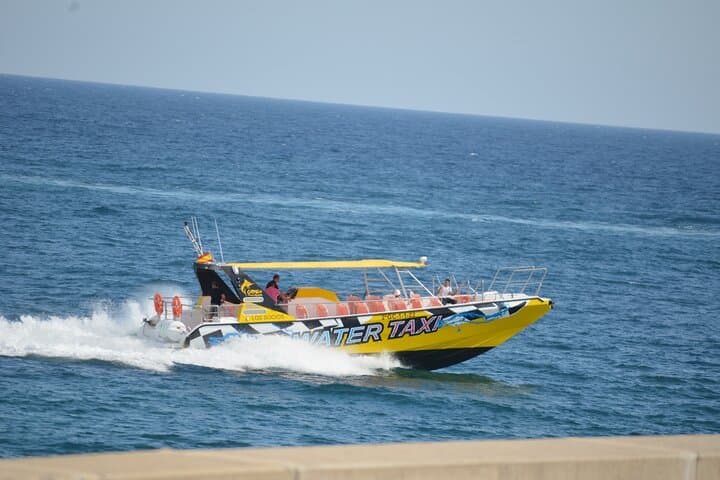
The speedboat cuts through Atlantic chop with a crisp wake, Corralejo receding into a ribbon of sand and white roofs. In twenty minutes the mainland blurs and Lobos Island slides into view: a compact, wind-swept islet ringed by basalt cliffs, a small crescent beach and a solitary lighthouse. The boat’s engine hums as passengers lean forward—phones up, jackets zipped against the spray—anticipating a short, intense encounter with a protected slice of the Canaries.
Verified experiences and guided adventures in the surrounding area.
Operated by Tour2b · Corralejo, Las Palmas
The speedboat cuts through Atlantic chop with a crisp wake, Corralejo receding into a ribbon of sand and white roofs. In twenty minutes the mainland blurs and Lobos Island slides into view: a compact, wind-swept islet ringed by basalt cliffs, a small crescent beach and a solitary lighthouse. The boat’s engine hums as passengers lean forward—phones up, jackets zipped against the spray—anticipating a short, intense encounter with a protected slice of the Canaries.
Isla de Lobos has been a conservation area for decades, protected early on alongside the Corralejo Dunes. Its name recalls monk seals that once hauled onto its shores; you won’t often see them today, but their legacy shaped the island’s protections. Geologically, Lobos is a product of volcanic activity off Fuerteventura: black rock, shallow bays carved by waves and a modest volcanic cone that gives the island its low, rugged profile. Botanically, the island hosts endemic plants adapted to salt-scour and wind—look for the Lobos everlasting—and the surrounding waters attract migratory and vulnerable seabirds like shearwaters and Bulwer’s petrels.
The visit is compact but varied. After a quick tender onto the pebbled jetty, gaiters meet sand and a network of short, marked trails leads to the Concha beach cove, the Faro de Punta Martiño, and a rim lookout over pumiced coves. Trails are short—expect under 2 km for the main loop to the lighthouse—with firm sandy and rocky footing and minimal elevation changes. Time on shore is often 90–120 minutes within a three-hour window that includes round-trip transit.
Practicalities matter here: the operator meets at Av. Marítima in Corralejo and asks you to arrive 15 minutes before departure. The boat carries up to a dozen guests; space fills quickly during summer. There are no restaurants or full facilities on the islet, so plan accordingly. As a protected natural area, rules about staying on marked paths, no fires, and no collecting plants or shells are enforced—penalties apply.
For planning: wear sturdy sandals or light hiking shoes for rocky shorelines, bring at least 1–2 liters of water, sunscreen and a windproof layer. Mornings usually offer calmer seas and better light for photography; late afternoons temper the heat and improve bird activity. Respect the island’s limits and you’ll get more than a postcard — you’ll leave with a clearer sense of how a small volcanic outcrop can hold rare plants, seabird colonies and a short, restorative escape from the main island’s bustle.
easy.
3 hours.
Suitable for most fitness levels; requires short walks on uneven rocky and sandy surfaces.
The crossing takes about 20 minutes each way; total activity time is roughly three hours, including time on the island.
Facilities are limited; there is a basic restroom near the landing area but plan ahead and use the marina in Corralejo if needed.
Yes—pack out what you bring. There are no restaurants on the island, and littering is prohibited.
Pets are generally not permitted within this protected natural area to avoid disturbing wildlife—check with the operator for exceptions.
Day visits via licensed operators are allowed, but the island is a protected area and visitors must follow rules; special activities may require authorization.
Operators may cancel for safety—there is a full refund if you cancel at least 24 hours prior, and trips can be canceled in poor weather.
The island’s name recalls monk seals that once hauled out here; it was among the first Canary Islands sites placed under protection together with the Corralejo dunes.
Isla de Lobos is a designated protected natural area—visitors must stay on paths, avoid collecting anything, and follow posted rules to minimize impact.
Tour2b operates guided outdoor trips and adventures with an emphasis on safety, stewardship, and memorable experiences.
The speedboat cuts through Atlantic chop with a crisp wake, Corralejo receding into a ribbon of sand and white roofs. In twenty minutes the mainland blurs and Lobos Island slides into view: a compact, wind-swept islet ringed by basalt cliffs, a small crescent beach and a solitary lighthouse. The boat’s engine hums as passengers lean forward—phones up, jackets zipped against the spray—anticipating a short, intense encounter with a protected slice of the Canaries.
The speedboat cuts through Atlantic chop with a crisp wake, Corralejo receding into a ribbon of sand and white roofs. In twenty minutes the mainland blurs and Lobos Island slides into view: a compact, wind-swept islet ringed by basalt cliffs, a small crescent beach and a solitary lighthouse. The boat’s engine hums as passengers lean forward—phones up, jackets zipped against the spray—anticipating a short, intense encounter with a protected slice of the Canaries.
Isla de Lobos has been a conservation area for decades, protected early on alongside the Corralejo Dunes. Its name recalls monk seals that once hauled onto its shores; you won’t often see them today, but their legacy shaped the island’s protections. Geologically, Lobos is a product of volcanic activity off Fuerteventura: black rock, shallow bays carved by waves and a modest volcanic cone that gives the island its low, rugged profile. Botanically, the island hosts endemic plants adapted to salt-scour and wind—look for the Lobos everlasting—and the surrounding waters attract migratory and vulnerable seabirds like shearwaters and Bulwer’s petrels.
The visit is compact but varied. After a quick tender onto the pebbled jetty, gaiters meet sand and a network of short, marked trails leads to the Concha beach cove, the Faro de Punta Martiño, and a rim lookout over pumiced coves. Trails are short—expect under 2 km for the main loop to the lighthouse—with firm sandy and rocky footing and minimal elevation changes. Time on shore is often 90–120 minutes within a three-hour window that includes round-trip transit.
Practicalities matter here: the operator meets at Av. Marítima in Corralejo and asks you to arrive 15 minutes before departure. The boat carries up to a dozen guests; space fills quickly during summer. There are no restaurants or full facilities on the islet, so plan accordingly. As a protected natural area, rules about staying on marked paths, no fires, and no collecting plants or shells are enforced—penalties apply.
For planning: wear sturdy sandals or light hiking shoes for rocky shorelines, bring at least 1–2 liters of water, sunscreen and a windproof layer. Mornings usually offer calmer seas and better light for photography; late afternoons temper the heat and improve bird activity. Respect the island’s limits and you’ll get more than a postcard — you’ll leave with a clearer sense of how a small volcanic outcrop can hold rare plants, seabird colonies and a short, restorative escape from the main island’s bustle.