THE ADVENTURE COLLECTIVE® · Independent discovery and booking for outdoor travel

Set out from Mirissa on a two‑hour speed‑boat chase for blue whales and dolphins where nutrient‑rich waters concentrate marine giants. This practical guide covers what to expect—seasonality, safety, and what to pack—for high‑speed, low‑fuss whale watching.
Set out from Mirissa on a two‑hour speed‑boat chase for blue whales and dolphins where nutrient‑rich waters concentrate marine giants. This practical guide covers what to expect—seasonality, safety, and what to pack—for high‑speed, low‑fuss whale watching.
The engine cuts through a silver sea as Mirissa’s harbor shrinks behind you and the horizon opens—a hard, bright line where the water dares you to look deeper. On a two‑hour speed boat trip out of Mirissa you trade shoreline palms for the slap of spray and the sudden, enormous presence of whales that break the surface with indifferent grace.
Verified experiences and guided adventures in the surrounding area.
Operated by ZRI Adventures · Mirissa, Southern Province
The engine cuts through a silver sea as Mirissa’s harbor shrinks behind you and the horizon opens—a hard, bright line where the water dares you to look deeper. On a two‑hour speed boat trip out of Mirissa you trade shoreline palms for the slap of spray and the sudden, enormous presence of whales that break the surface with indifferent grace.
Mirissa sits on Sri Lanka’s southern coast, a former fishing village now known internationally for reliable blue whale sightings. The continental shelf drops offshore here, creating nutrient-rich upwellings that attract krill and, in turn, the ocean’s largest mammals. Local crews blend seafaring knowledge with modern spotting techniques; operators must observe marine‑mammal approach rules and harbor entrance protocols are enforced.
Practicalities are straightforward: most trips last about two hours, life jackets and harbor fees are included, and small groups keep the ride nimble. Expect quick runs to likely feeding zones 5–20 kilometers offshore, variable sea states, and a safety brief before departure. Sightings aren’t guaranteed—blue whales, sperm whales, and dolphins are common in season (primarily November–April), but patience and a clear morning improve odds.
Bring motion‑sickness medicine, sun protection, a waterproof phone case, and layered clothing for wind and spray. Plan pickups from Mirissa or nearby Galle, and book morning departures when winds are calmer. Respect distance guidelines, and if you get a close encounter, move quietly—these animals command the ocean, and your best role is respectful witness.
easy.
2 hours.
Suitable for most people with basic mobility; must be able to board a small boat and follow safety instructions. Not recommended for those with spinal, serious heart conditions, or pregnant travelers.
Blue whales are the headline attraction in season, with regular sightings of sperm whales, spinner dolphins, and occasionally orcas or pilot whales—sightings vary by month and ocean conditions.
Operators choose productive feeding areas, and sighting rates are high in peak season (November–April) but never guaranteed; calm mornings improve chances.
Yes—life jackets are provided and trips are family friendly, but small children should be supervised and non‑swimmers should remain seated during high speeds.
Most tours include free pickup and drop‑off from central Mirissa; Galle may require a short transfer—confirm pickup details when booking.
Mirissa evolved from a local fishing port into a whale‑watching hub after systematic sightings and research in the late 20th century highlighted the area's importance for blue whales.
Responsible operators follow approach rules and speed limits to reduce disturbance; choose tours that support local researchers and avoid operators that chase or crowd whales.
ZRI Adventures operates guided outdoor trips and adventures with an emphasis on safety, stewardship, and memorable experiences.
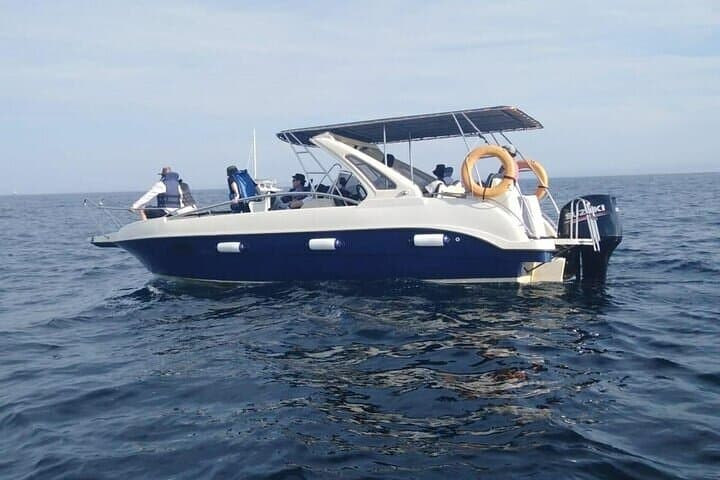
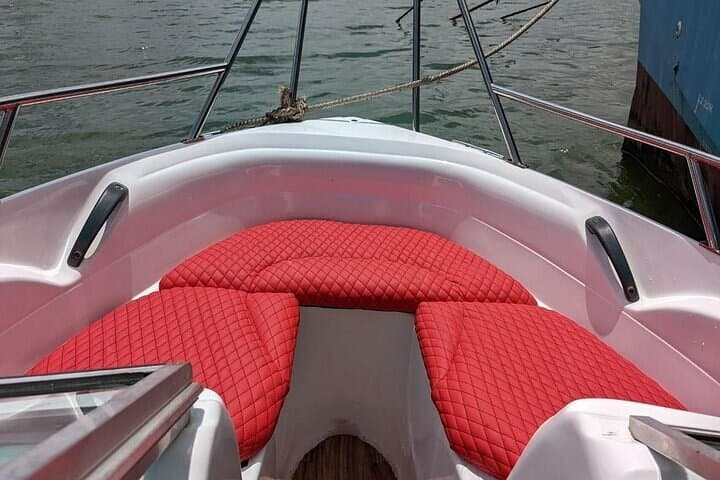
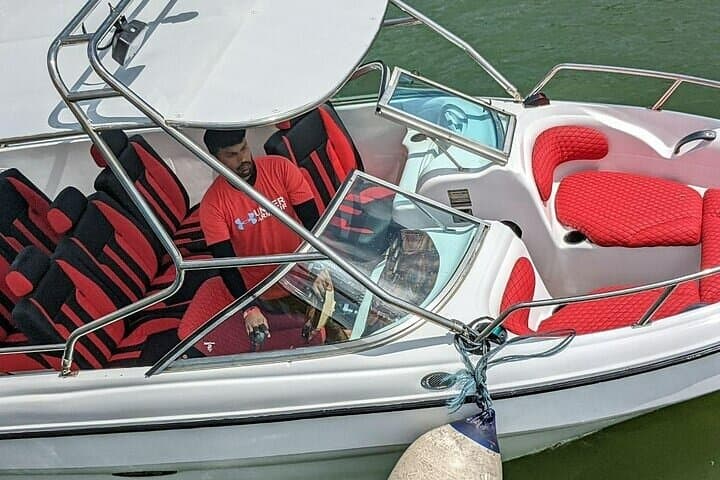
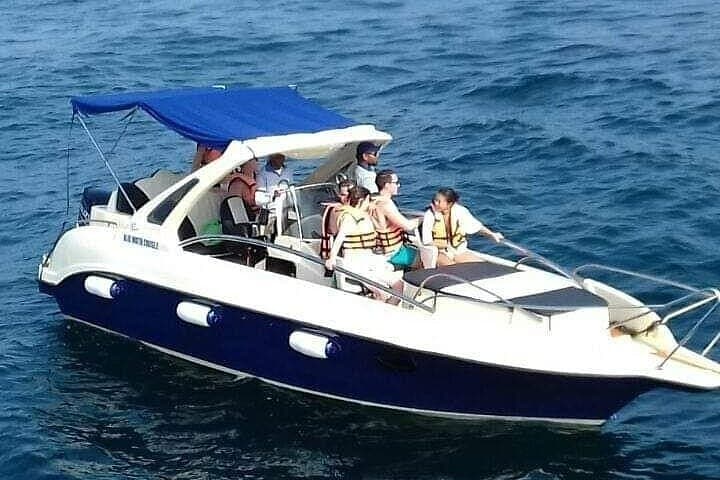
The engine cuts through a silver sea as Mirissa’s harbor shrinks behind you and the horizon opens—a hard, bright line where the water dares you to look deeper. On a two‑hour speed boat trip out of Mirissa you trade shoreline palms for the slap of spray and the sudden, enormous presence of whales that break the surface with indifferent grace.
The engine cuts through a silver sea as Mirissa’s harbor shrinks behind you and the horizon opens—a hard, bright line where the water dares you to look deeper. On a two‑hour speed boat trip out of Mirissa you trade shoreline palms for the slap of spray and the sudden, enormous presence of whales that break the surface with indifferent grace.
Mirissa sits on Sri Lanka’s southern coast, a former fishing village now known internationally for reliable blue whale sightings. The continental shelf drops offshore here, creating nutrient-rich upwellings that attract krill and, in turn, the ocean’s largest mammals. Local crews blend seafaring knowledge with modern spotting techniques; operators must observe marine‑mammal approach rules and harbor entrance protocols are enforced.
Practicalities are straightforward: most trips last about two hours, life jackets and harbor fees are included, and small groups keep the ride nimble. Expect quick runs to likely feeding zones 5–20 kilometers offshore, variable sea states, and a safety brief before departure. Sightings aren’t guaranteed—blue whales, sperm whales, and dolphins are common in season (primarily November–April), but patience and a clear morning improve odds.
Bring motion‑sickness medicine, sun protection, a waterproof phone case, and layered clothing for wind and spray. Plan pickups from Mirissa or nearby Galle, and book morning departures when winds are calmer. Respect distance guidelines, and if you get a close encounter, move quietly—these animals command the ocean, and your best role is respectful witness.