THE ADVENTURE COLLECTIVE® · Independent discovery and booking for outdoor travel

Cut across Dingle Bay by RIB to the remote Great Blasket Island for caves, seals and an abandoned Irish-speaking village. This full-day tour mixes high-speed coastal cruising with a multi-hour island landing—expect exposed terrain, wildlife viewing, and basic facilities.
Cut across Dingle Bay by RIB to the remote Great Blasket Island for caves, seals and an abandoned Irish-speaking village. This full-day tour mixes high-speed coastal cruising with a multi-hour island landing—expect exposed terrain, wildlife viewing, and basic facilities.
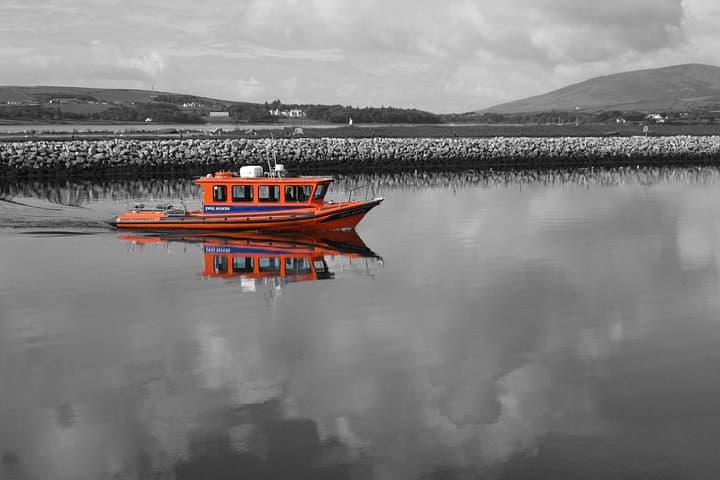
The cold Atlantic wind pushes against the bow as the RIB punches out of Dingle Marina, the town shrinking behind low hills and bobbing boats. Waves lift and the cliffs of the Dingle Peninsula loom, their faces scored by sea caves and stacked layers of sandstone and shale. Onboard, the engine thrum becomes a steady companion while binoculars cut into the spray to find porpoises and diving gannets.
Verified experiences and guided adventures in the surrounding area.
Operated by Dingle Bay Speed Boat Tours and Great Blasket Island Experience · Dingle, County Kerry
The cold Atlantic wind pushes against the bow as the RIB punches out of Dingle Marina, the town shrinking behind low hills and bobbing boats. Waves lift and the cliffs of the Dingle Peninsula loom, their faces scored by sea caves and stacked layers of sandstone and shale. Onboard, the engine thrum becomes a steady companion while binoculars cut into the spray to find porpoises and diving gannets.
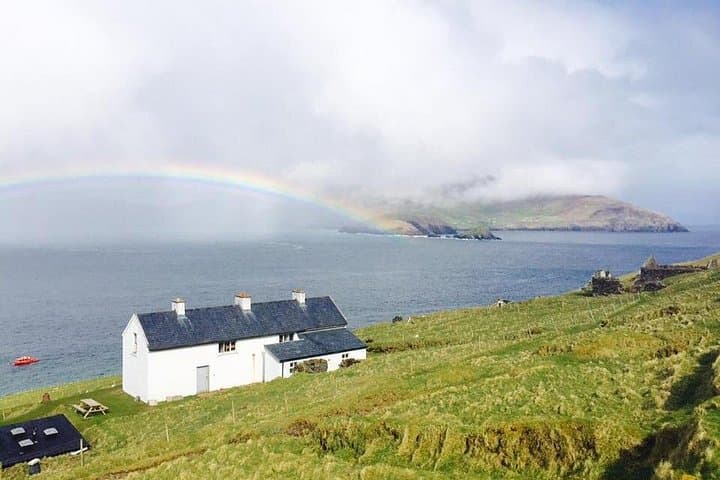
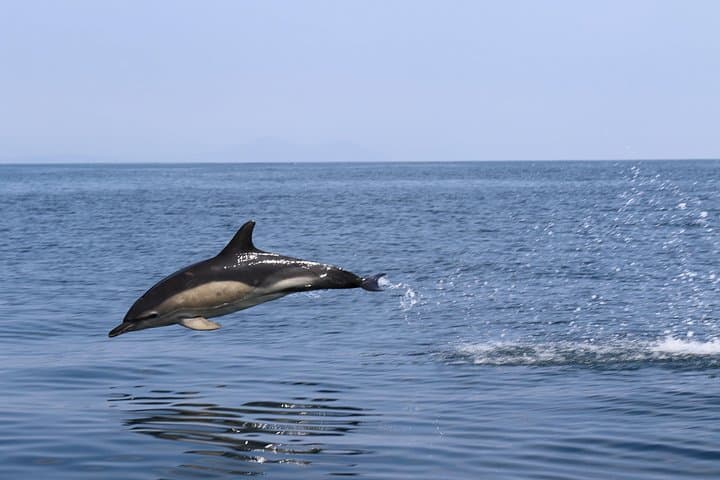
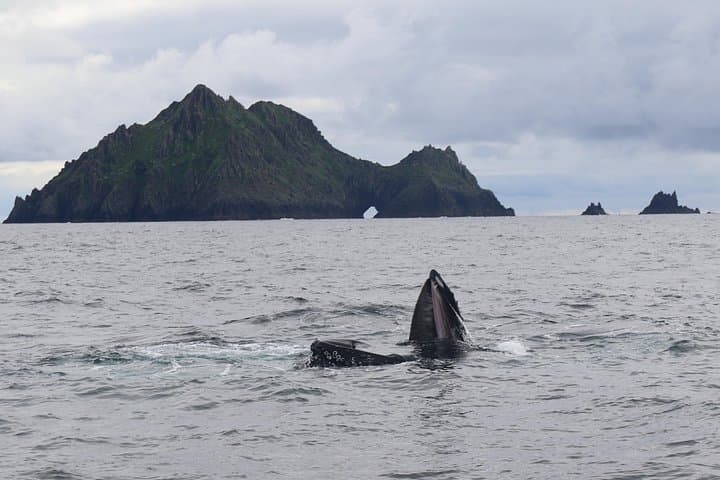
This run out to the Great Blasket Island follows a coastline shaped by glacial and marine forces over millennia; cliffs here reveal sedimentary beds and dramatic erosion features. The island itself carries a recent human history—once a thriving Irish-speaking community, its houses now stand as OPW-managed ruins that tell of emigration, fishing livelihoods, and cultural resilience. Marine life is central: resident dolphins, migratory whales offshore, and grey seals around the island’s northern shore.
Expect a roughly six-hour outing: a 90-minute guided eco-cruise of caves, arches and seabird colonies, then a 3.5–4 hour landing to walk the abandoned village and explore short island trails. Terrain on the Blaskets is exposed, often boggy or pebbled, with simple paths and no services—dress in waterproof layers and sturdy, grippy footwear. Seas can be choppy; check weather, bring motion-sickness remedies and a small dry bag for electronics. Transfers to a smaller dinghy are required for the landing, so be prepared for steps and brief wet decks.
Timing your visit for calm seas gives the best wildlife encounters and shore time; keep to marked paths, respect nesting areas, and leave no trace—this is an island where the raw North Atlantic still writes the rules.
moderate.
6–7 hours.
Moderate fitness needed: you should be comfortable boarding a dinghy, walking uneven coastal trails for 3–4 hours, and managing stairs or short scrambles.
Landings depend on weather and sea conditions; the operator aims to land daily but may cancel or alter plans if conditions are unsafe.
Children are permitted but must be supervised; boat transfers and exposed sea conditions mean guardian responsibility and adherence to crew instructions.
Facilities are minimal; there are no shops or cafes—bring water, snacks, and any needed medications for the 3–4 hour shore stay.
Choose a seat in the cabin or mid-boat, avoid heavy meals before departure, use prescribed medication or over-the-counter remedies, and look at the horizon.
Great Blasket was home to an Irish-speaking fishing community until mid-20th century abandonment; the island’s ruins and oral literature preserve that cultural legacy.
The island and surrounding waters are sensitive habitats—stick to paths, avoid disturbing seals and nesting birds, and follow guidance from guides to minimize erosion and wildlife disturbance.
Dingle Bay Speed Boat Tours and Great Blasket Island Experience operates guided outdoor trips and adventures with an emphasis on safety, stewardship, and memorable experiences.
The cold Atlantic wind pushes against the bow as the RIB punches out of Dingle Marina, the town shrinking behind low hills and bobbing boats. Waves lift and the cliffs of the Dingle Peninsula loom, their faces scored by sea caves and stacked layers of sandstone and shale. Onboard, the engine thrum becomes a steady companion while binoculars cut into the spray to find porpoises and diving gannets.
The cold Atlantic wind pushes against the bow as the RIB punches out of Dingle Marina, the town shrinking behind low hills and bobbing boats. Waves lift and the cliffs of the Dingle Peninsula loom, their faces scored by sea caves and stacked layers of sandstone and shale. Onboard, the engine thrum becomes a steady companion while binoculars cut into the spray to find porpoises and diving gannets.
This run out to the Great Blasket Island follows a coastline shaped by glacial and marine forces over millennia; cliffs here reveal sedimentary beds and dramatic erosion features. The island itself carries a recent human history—once a thriving Irish-speaking community, its houses now stand as OPW-managed ruins that tell of emigration, fishing livelihoods, and cultural resilience. Marine life is central: resident dolphins, migratory whales offshore, and grey seals around the island’s northern shore.
Expect a roughly six-hour outing: a 90-minute guided eco-cruise of caves, arches and seabird colonies, then a 3.5–4 hour landing to walk the abandoned village and explore short island trails. Terrain on the Blaskets is exposed, often boggy or pebbled, with simple paths and no services—dress in waterproof layers and sturdy, grippy footwear. Seas can be choppy; check weather, bring motion-sickness remedies and a small dry bag for electronics. Transfers to a smaller dinghy are required for the landing, so be prepared for steps and brief wet decks.
Timing your visit for calm seas gives the best wildlife encounters and shore time; keep to marked paths, respect nesting areas, and leave no trace—this is an island where the raw North Atlantic still writes the rules.