THE ADVENTURE COLLECTIVE® · Independent discovery and booking for outdoor travel

A full-day speed-boat trip from Hoi An delivers cultural stops on Cham Island and a prime snorkeling session at Bai Xep. Expect short village walks, a guided reef swim, and a local lunch on a protected marine reserve.
A full-day speed-boat trip from Hoi An delivers cultural stops on Cham Island and a prime snorkeling session at Bai Xep. Expect short village walks, a guided reef swim, and a local lunch on a protected marine reserve.
A jade sea pulls the boat away from Cua Dai pier and, in an hour’s wake, Cham Island rises out of the South China Sea — granite outcrops, palms and a scattering of low houses clinging to the shore. Passengers step ashore at Bai Lang into a rhythm of salt, market calls and the slow clack of boats being mended.
Verified experiences and guided adventures in the surrounding area.
Operated by Happy Tour · Hoi An, Quang Nam
A jade sea pulls the boat away from Cua Dai pier and, in an hour’s wake, Cham Island rises out of the South China Sea — granite outcrops, palms and a scattering of low houses clinging to the shore. Passengers step ashore at Bai Lang into a rhythm of salt, market calls and the slow clack of boats being mended.
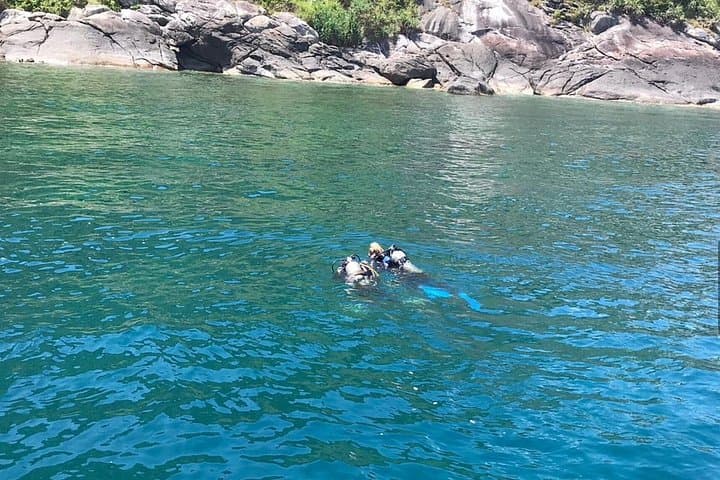
The islands form the Cù Lao Chàm Biosphere Reserve, an area protected for its coral gardens and coastal culture; Cham fishermen preserve techniques passed down through generations and a small Champa community left traces in ancient wells and pagodas like Hai Tang. Geologically the islands are granite and older rocks worn smooth by monsoon seas, offering compact bays with clear water and accessible reefs at Bai Xep.
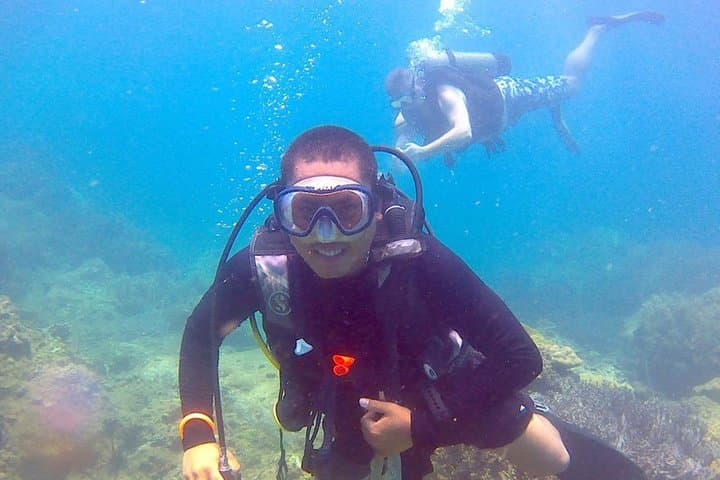
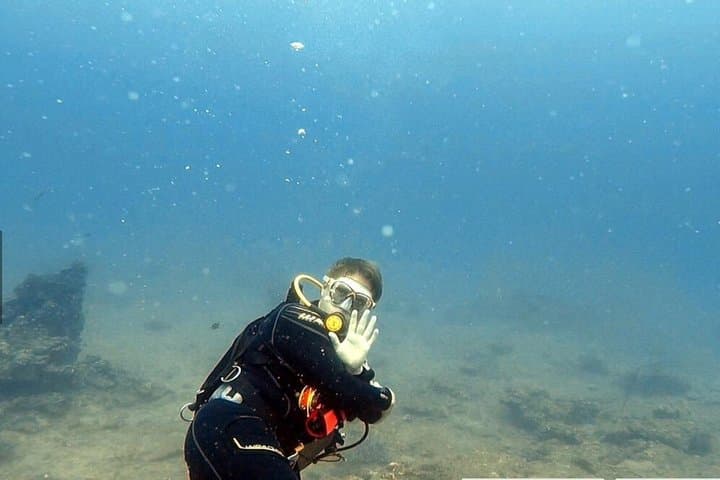
The day trip mixes shoreline walking and cultural stops — a village market, pagoda, Cham well — with a longer swim/snorkel at Bai Xep where shallow reefs sit 2–6 meters down. Expect warm water, patches of current at channel entrances and good visibility on calm days. Lunch is typically local seafood or vegetarian options; guides usually offer guidance for first-time snorkelers.
Practical edge: bring reef-safe sunscreen, a snorkel mask that fits, and a waterproof pouch for the essentials. Wear grip-ready water shoes for rocky steps and plan the outing mid-morning to avoid the afternoon chop; the operator returns to Cua Dai by mid-afternoon. Seas can be choppy; travelers prone to motion sickness should medicate beforehand. Respect no-touch rules for coral and support local vendors when buying snacks or crafts.
easy.
5–6 hours.
Suitable for most fitness levels; ability to swim and move over sandy/rocky shorelines helps
Yes — basic snorkel masks and fins are typically provided, though many travelers bring their own mask for fit and comfort.
Children are allowed but must be supervised; infants sit on laps and operators may have age guidelines for snorkeling.
Operators will cancel in rough or unsafe conditions and offer a full refund if within the cancellation window; check local forecasts the day before.
A set-menu lunch is included; vendors usually accommodate vegetarian or simple dietary requests if notified in advance.
Cù Lao Chàm was recognized as a UNESCO Biosphere Reserve and has a maritime history tied to Cham-era trade and local fishing communities.
The area is a protected marine reserve — avoid touching coral, use reef-safe products, and support local guides who practice low-impact tours.
Happy Tour operates guided outdoor trips and adventures with an emphasis on safety, stewardship, and memorable experiences.
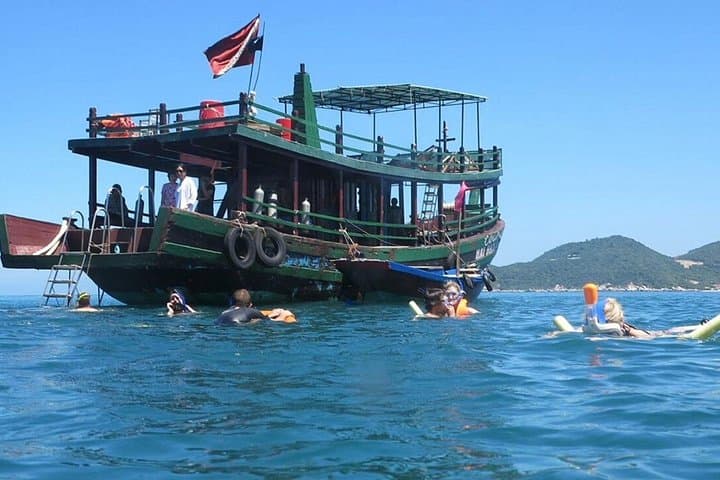
A jade sea pulls the boat away from Cua Dai pier and, in an hour’s wake, Cham Island rises out of the South China Sea — granite outcrops, palms and a scattering of low houses clinging to the shore. Passengers step ashore at Bai Lang into a rhythm of salt, market calls and the slow clack of boats being mended.
A jade sea pulls the boat away from Cua Dai pier and, in an hour’s wake, Cham Island rises out of the South China Sea — granite outcrops, palms and a scattering of low houses clinging to the shore. Passengers step ashore at Bai Lang into a rhythm of salt, market calls and the slow clack of boats being mended.
The islands form the Cù Lao Chàm Biosphere Reserve, an area protected for its coral gardens and coastal culture; Cham fishermen preserve techniques passed down through generations and a small Champa community left traces in ancient wells and pagodas like Hai Tang. Geologically the islands are granite and older rocks worn smooth by monsoon seas, offering compact bays with clear water and accessible reefs at Bai Xep.
The day trip mixes shoreline walking and cultural stops — a village market, pagoda, Cham well — with a longer swim/snorkel at Bai Xep where shallow reefs sit 2–6 meters down. Expect warm water, patches of current at channel entrances and good visibility on calm days. Lunch is typically local seafood or vegetarian options; guides usually offer guidance for first-time snorkelers.
Practical edge: bring reef-safe sunscreen, a snorkel mask that fits, and a waterproof pouch for the essentials. Wear grip-ready water shoes for rocky steps and plan the outing mid-morning to avoid the afternoon chop; the operator returns to Cua Dai by mid-afternoon. Seas can be choppy; travelers prone to motion sickness should medicate beforehand. Respect no-touch rules for coral and support local vendors when buying snacks or crafts.