THE ADVENTURE COLLECTIVE® · Independent discovery and booking for outdoor travel

Taste five specialty-grade coffees side-by-side in a 90-minute sensory course in Milton, GA. The small-group session mixes roasting basics, guided cupping, a VR visit to the family farm, and snack pairings for a focused, social coffee education.
Taste five specialty-grade coffees side-by-side in a 90-minute sensory course in Milton, GA. The small-group session mixes roasting basics, guided cupping, a VR visit to the family farm, and snack pairings for a focused, social coffee education.
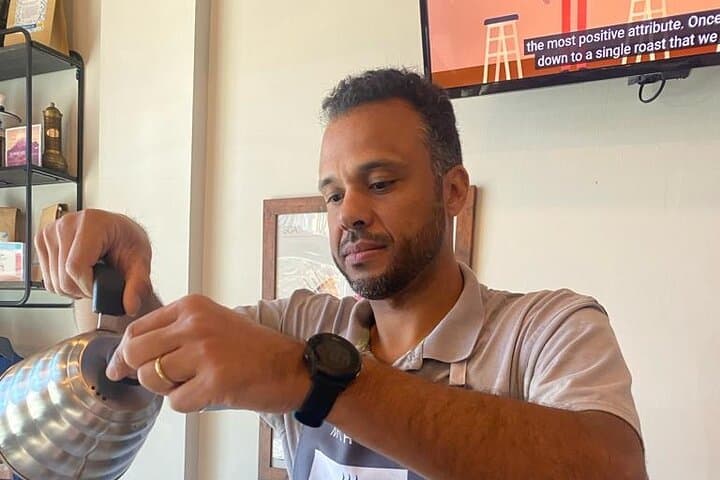
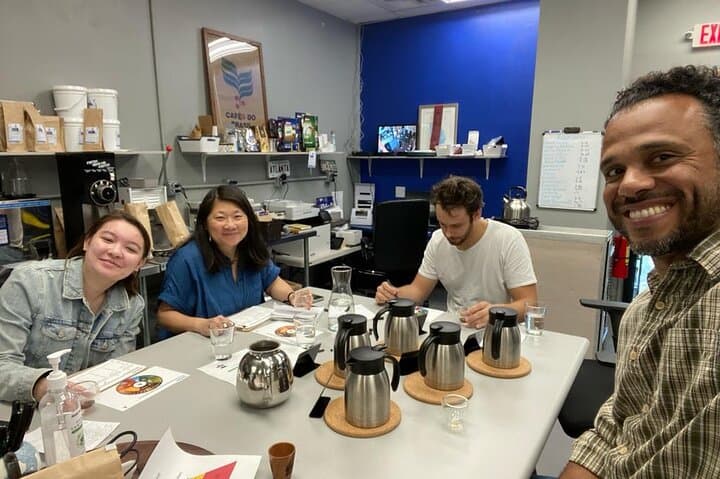
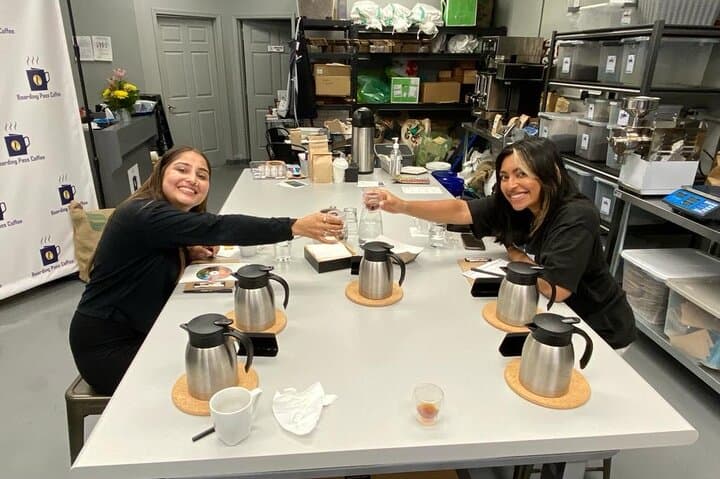
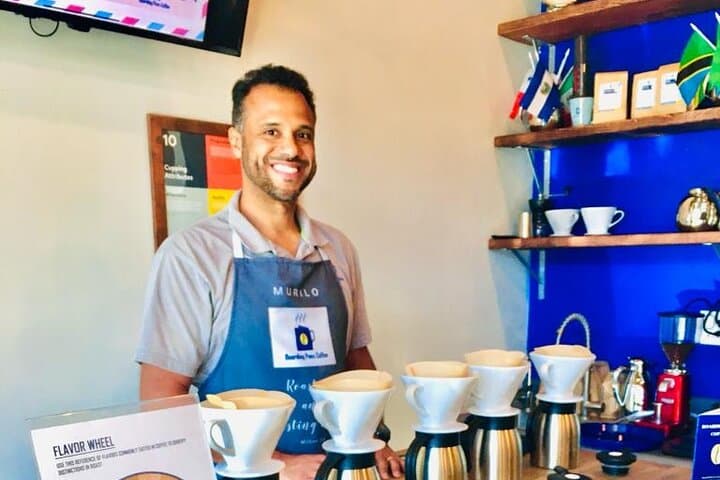
The room smells of warm beans and citrus peel; light from large windows throws long shadows across wooden cupping tables. Participants lean forward, spoons poised, as a guide walks the group through the anatomy of a single origin—acidity, body, and the soils and altitudes that shape them. The experience moves deliberately: background on processing and roast, five side‑by‑side tastings, and a virtual trip to a family farm that reconnects the cup to its origin.
Verified experiences and guided adventures in the surrounding area.
Operated by Boarding Pass Coffee · Milton, Georgia
The room smells of warm beans and citrus peel; light from large windows throws long shadows across wooden cupping tables. Participants lean forward, spoons poised, as a guide walks the group through the anatomy of a single origin—acidity, body, and the soils and altitudes that shape them. The experience moves deliberately: background on processing and roast, five side‑by‑side tastings, and a virtual trip to a family farm that reconnects the cup to its origin.
Coffee’s story here is practical and global. Georgia has no coffee geology, but this course traces the hill soils of Brazil, volcanic highland profiles of Ethiopia, and washed vs. natural processing methods that define flavor. The class bridges farm, roast, and local café culture: small-batch roasting in the shop, pão de queijo snacks, and conversation about sustainable sourcing and traceability.
Expect an accessible, social format—groups of up to eight, 90 minutes long, wheelchair accessible, and good for celebrations or team-building. The tasting sequence trains your palate: smell first, note acidity second, then evaluate finish. The VR farm segment gives context—altitude, microclimate, and farmer practices that show why a few degrees of slope matter.
Practical guidance: arrive 10–15 minutes early for parking and palate prep; avoid strong fragrances; hydrate between cups to reset taste buds. If you’re sensitive to caffeine, request decaf or tea options when booking. Bring a small notebook for tasting notes and questions—this is hands-on education, not just sipping. Leave with clearer language for flavor and a better sense of how origin and roast shape what you drink.
easy.
1–1.5 hours.
Minimal physical exertion; suitable for most adults and older children with supervision
The course is family-friendly, but because it includes caffeinated samples, guardians should decide for younger children; non‑coffee options are available on request.
Yes—private sessions or larger group accommodations can be arranged by contacting the operator in advance.
The VR segment shows the family farm’s terrain, processing steps, and farmer interviews to connect origin stories to flavor in the cup.
Full refunds are available if you cancel at least 24 hours before the scheduled session; within 24 hours, no refund is provided.
The tasting program reflects a broader Southern shift toward specialty roasting and direct trade; many local roasters trace partnerships with Central and South American farms.
The host emphasizes traceability and sustainable sourcing; composting spent grounds and reducing single-use cups are encouraged.
Boarding Pass Coffee operates guided outdoor trips and adventures with an emphasis on safety, stewardship, and memorable experiences.
The room smells of warm beans and citrus peel; light from large windows throws long shadows across wooden cupping tables. Participants lean forward, spoons poised, as a guide walks the group through the anatomy of a single origin—acidity, body, and the soils and altitudes that shape them. The experience moves deliberately: background on processing and roast, five side‑by‑side tastings, and a virtual trip to a family farm that reconnects the cup to its origin.
The room smells of warm beans and citrus peel; light from large windows throws long shadows across wooden cupping tables. Participants lean forward, spoons poised, as a guide walks the group through the anatomy of a single origin—acidity, body, and the soils and altitudes that shape them. The experience moves deliberately: background on processing and roast, five side‑by‑side tastings, and a virtual trip to a family farm that reconnects the cup to its origin.
Coffee’s story here is practical and global. Georgia has no coffee geology, but this course traces the hill soils of Brazil, volcanic highland profiles of Ethiopia, and washed vs. natural processing methods that define flavor. The class bridges farm, roast, and local café culture: small-batch roasting in the shop, pão de queijo snacks, and conversation about sustainable sourcing and traceability.
Expect an accessible, social format—groups of up to eight, 90 minutes long, wheelchair accessible, and good for celebrations or team-building. The tasting sequence trains your palate: smell first, note acidity second, then evaluate finish. The VR farm segment gives context—altitude, microclimate, and farmer practices that show why a few degrees of slope matter.
Practical guidance: arrive 10–15 minutes early for parking and palate prep; avoid strong fragrances; hydrate between cups to reset taste buds. If you’re sensitive to caffeine, request decaf or tea options when booking. Bring a small notebook for tasting notes and questions—this is hands-on education, not just sipping. Leave with clearer language for flavor and a better sense of how origin and roast shape what you drink.