THE ADVENTURE COLLECTIVE® · Independent discovery and booking for outdoor travel

A technical high‑altitude expedition to Spantik (7027m) combines multi‑day trekking, glacier travel and steep snow climbing in Baltistan. This classic Karakoram ascent requires serious acclimatization, mountaineering skills, and local logistics support.
A technical high‑altitude expedition to Spantik (7027m) combines multi‑day trekking, glacier travel and steep snow climbing in Baltistan. This classic Karakoram ascent requires serious acclimatization, mountaineering skills, and local logistics support.
A thin wind threads between rocky ribs as you step from the jeep into the high valleys of Baltistan. The air tastes metallic; the golden pyramid of Spantik hovers above the lateral moraine, daring you upward. Flights into Skardu reveal teeth of ice—K2 and Nanga Parbat appear distant and indifferent—then the road tightens into the Braldu valley and the trekheads at Arandu where walnut groves give way to scree.
Verified experiences and guided adventures in the surrounding area.
Operated by Trango Adventure · Skardu, Gilgit-Baltistan
A thin wind threads between rocky ribs as you step from the jeep into the high valleys of Baltistan. The air tastes metallic; the golden pyramid of Spantik hovers above the lateral moraine, daring you upward. Flights into Skardu reveal teeth of ice—K2 and Nanga Parbat appear distant and indifferent—then the road tightens into the Braldu valley and the trekheads at Arandu where walnut groves give way to scree.
Spantik (7027m), often called Golden Peak, sits on the eastern fringe of the Karakoram. Geologically, the massif is carved by persistent glacier ice—Chogo Lungma and its moraines define the approach—and culturally the route threads through Baltistan, a region shaped by Tibetan and Central Asian trade routes, local stone forts and yak herders' seasonal settlements.
Expect 6–8 days of approach trekking over mixed trails, glacier crossings and lateral moraines to reach base camp, followed by acclimatization rotations and summit pushes over fixed ropes and steep snow slopes. The climb demands high‑altitude endurance, crampon and ice‑axe proficiency, and comfort moving on 30–50° snow and ice. Weather windows are narrow; storms and crevasse hazards can close routes quickly.
Practical guidance: build stamina with long alpine days and overnight rotations; plan for 2–3 weeks on glacier for acclimatization; bring layered insulating clothing, technical boots, and a helmet; hire experienced local high‑altitude guides and porters who manage rope fixing and route safety. Hydrate, monitor for AMS, and respect local customs in Skardu and Shigar before and after the climb.
expert.
15–16 days.
Participants should have excellent cardiovascular fitness, experience with multi‑day alpine climbs and the ability to carry a heavy pack at altitude.
The main climbing season is summer (June–August) when weather is comparatively stable and the KKH is passable; late July and August are most common for summit attempts.
Yes—prior experience on at least one 6000m+ peak and glacier travel is strongly recommended; the route includes steep snow slopes and fixed‑rope sections.
Climbing in Pakistan requires permits and liaison officers; reputable operators handle permits, liaison, and local government permissions as part of logistics.
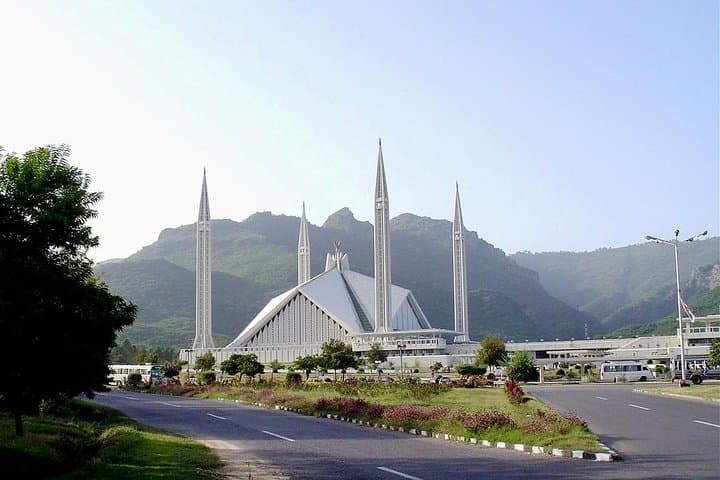
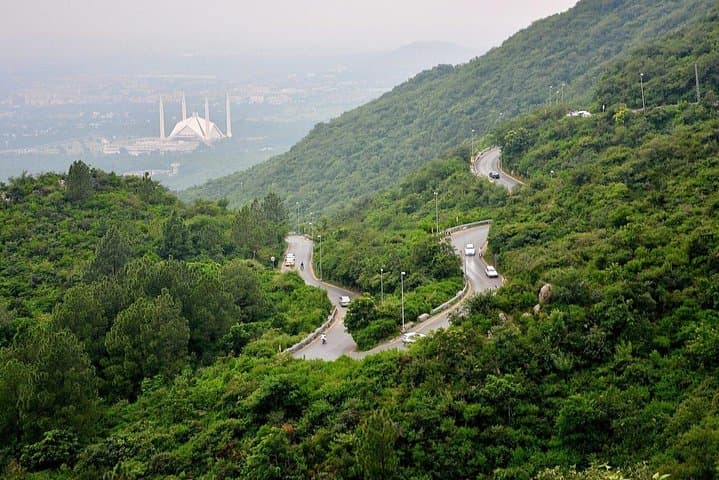
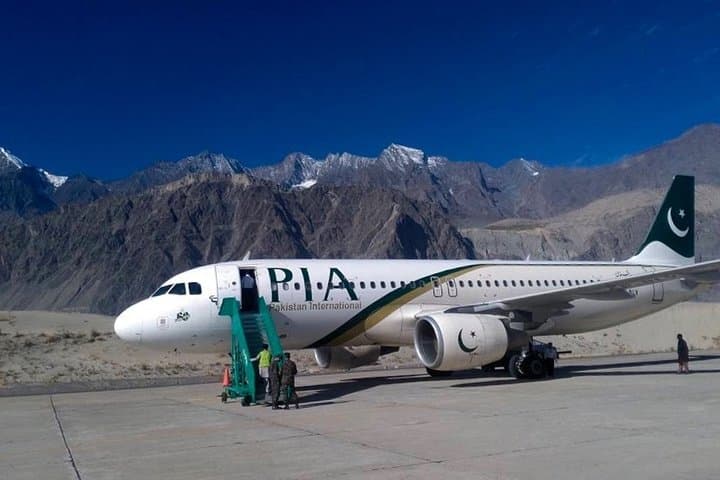
Most teams fly from Islamabad to Skardu (weather dependent) or drive along the Karakoram Highway via Chilas; flights shorten travel time but are subject to cancellations.
Baltistan retains Tibetan cultural influences and centuries of trans‑Himalayan trade; local settlements along the Braldu valley served seasonal grazing and caravan routes.
Glacial retreat and increased expedition waste are growing concerns—use carry‑out waste policies, minimize fuel impact, and support local conservation groups.
Trango Adventure operates guided outdoor trips and adventures with an emphasis on safety, stewardship, and memorable experiences.
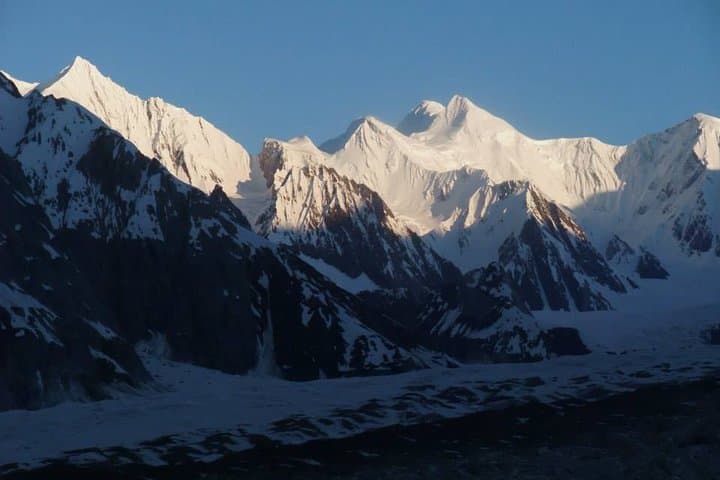
A thin wind threads between rocky ribs as you step from the jeep into the high valleys of Baltistan. The air tastes metallic; the golden pyramid of Spantik hovers above the lateral moraine, daring you upward. Flights into Skardu reveal teeth of ice—K2 and Nanga Parbat appear distant and indifferent—then the road tightens into the Braldu valley and the trekheads at Arandu where walnut groves give way to scree.
A thin wind threads between rocky ribs as you step from the jeep into the high valleys of Baltistan. The air tastes metallic; the golden pyramid of Spantik hovers above the lateral moraine, daring you upward. Flights into Skardu reveal teeth of ice—K2 and Nanga Parbat appear distant and indifferent—then the road tightens into the Braldu valley and the trekheads at Arandu where walnut groves give way to scree.
Spantik (7027m), often called Golden Peak, sits on the eastern fringe of the Karakoram. Geologically, the massif is carved by persistent glacier ice—Chogo Lungma and its moraines define the approach—and culturally the route threads through Baltistan, a region shaped by Tibetan and Central Asian trade routes, local stone forts and yak herders' seasonal settlements.
Expect 6–8 days of approach trekking over mixed trails, glacier crossings and lateral moraines to reach base camp, followed by acclimatization rotations and summit pushes over fixed ropes and steep snow slopes. The climb demands high‑altitude endurance, crampon and ice‑axe proficiency, and comfort moving on 30–50° snow and ice. Weather windows are narrow; storms and crevasse hazards can close routes quickly.
Practical guidance: build stamina with long alpine days and overnight rotations; plan for 2–3 weeks on glacier for acclimatization; bring layered insulating clothing, technical boots, and a helmet; hire experienced local high‑altitude guides and porters who manage rope fixing and route safety. Hydrate, monitor for AMS, and respect local customs in Skardu and Shigar before and after the climb.