THE ADVENTURE COLLECTIVE® · Independent discovery and booking for outdoor travel

A compact, two-hour walking tour through East Harlem’s vibrant public art scene. Expect bold murals, Manny Vega mosaics, and layered stories of migration and activism along a convenient #6 subway route.
A compact, two-hour walking tour through East Harlem’s vibrant public art scene. Expect bold murals, Manny Vega mosaics, and layered stories of migration and activism along a convenient #6 subway route.
You step off the 6 train into East Harlem and the city changes scale: brick facades become canvases, stoops become stages, and color pushes you down Lexington toward 103rd Street.
Verified experiences and guided adventures in the surrounding area.
Operated by Harlem Walks · New York, NY
You step off the 6 train into East Harlem and the city changes scale: brick facades become canvases, stoops become stages, and color pushes you down Lexington toward 103rd Street.
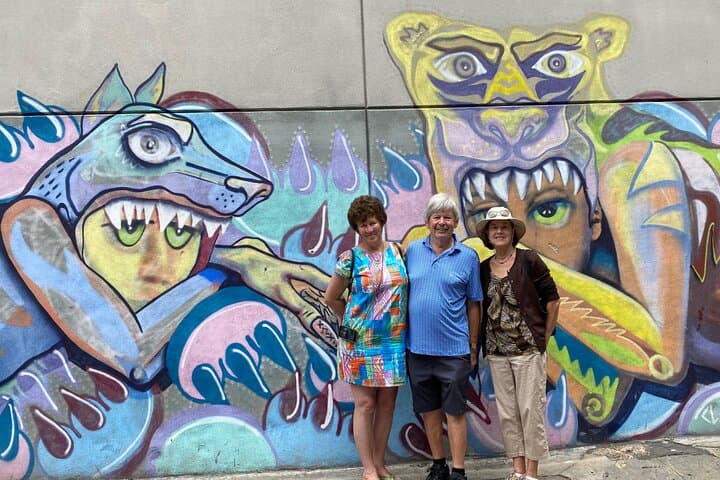
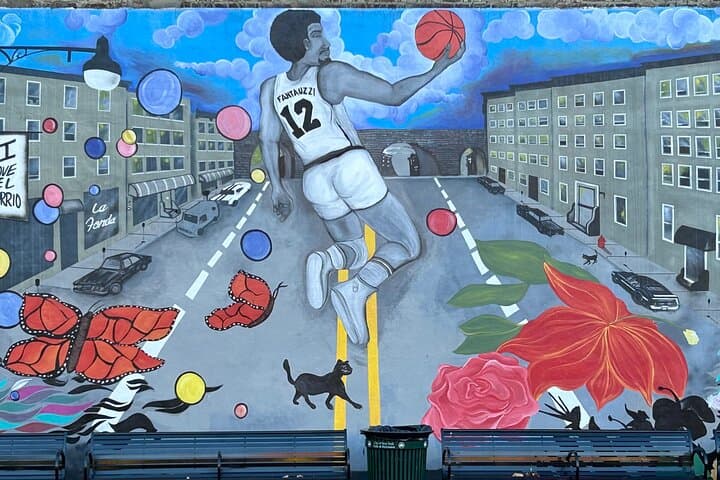
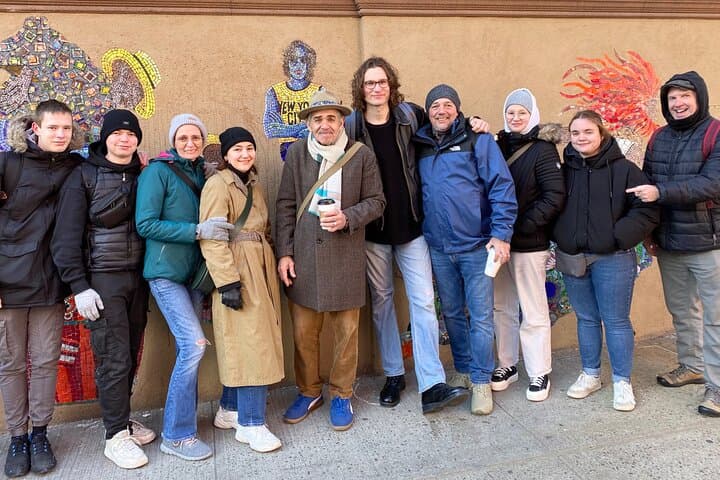
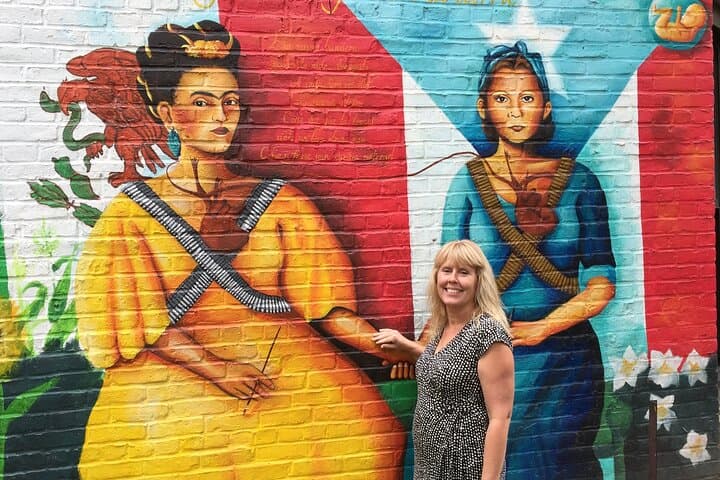
This two-hour walking tour threads eight blocks of El Barrio where murals and Manny Vega’s mosaics occupy storefronts, churches, and alleyways. The street art maps social history—portraits of Julia de Burgos and Celia Cruz sit alongside political images tied to the Young Lords movement, while tropical scenes recall Caribbean homelands. Geologically, you walk on Manhattan’s ancient schist crust—solid, flat, and quick to reflect the heat of summer afternoons—while the grid guides a compact route that’s easy on the feet.
Culturally, Spanish Harlem is layered: Puerto Rican migration in the 20th century, community activism in the 1960s–70s, and an ongoing local arts movement that treats walls as public archives. Your guide points out stylistic cues, artist signatures, and the ways murals function as community memory.
Practical guidance: plan for about 1–2 miles of slow walking with frequent stops; wear supportive shoes and bring water. Mornings are cooler and quieter; late afternoons yield richer light for photos. The route starts near 110th St. and ends at 103rd St., both on the #6 line, making arrivals and departures simple.
Respect the neighborhood—ask before photographing people up close, leave surfaces untouched, and support local businesses you pass. This is an urban walk that feels like an open-air gallery and a local history lesson all at once.
easy.
2 hours.
Suitable for most fitness levels; involves slow walking with multiple short stops and minimal elevation change.
The tour lasts about two hours and covers roughly 1–2 miles with frequent stops to view artwork.
Yes—the route is on sidewalks and is listed as wheelchair and stroller accessible; notify the operator of any special requirements.
Take the #6 train to 110th Street to meet and the tour ends near 103rd Street on the #6 for easy return connections.
No, the public artworks are viewable from the street; any included admissions are noted in the tour details, but this route focuses on outdoor pieces.
East Harlem grew as a hub for Puerto Rican and other Latin American communities in the 20th century; murals have been a primary medium for preserving cultural memory and activism.
Local mural programs and community groups work to maintain artworks; avoid touching or photographing restorations close-up and support local businesses and cultural organizations to help preserve public art.
Harlem Walks operates guided outdoor trips and adventures with an emphasis on safety, stewardship, and memorable experiences.
You step off the 6 train into East Harlem and the city changes scale: brick facades become canvases, stoops become stages, and color pushes you down Lexington toward 103rd Street.
You step off the 6 train into East Harlem and the city changes scale: brick facades become canvases, stoops become stages, and color pushes you down Lexington toward 103rd Street.
This two-hour walking tour threads eight blocks of El Barrio where murals and Manny Vega’s mosaics occupy storefronts, churches, and alleyways. The street art maps social history—portraits of Julia de Burgos and Celia Cruz sit alongside political images tied to the Young Lords movement, while tropical scenes recall Caribbean homelands. Geologically, you walk on Manhattan’s ancient schist crust—solid, flat, and quick to reflect the heat of summer afternoons—while the grid guides a compact route that’s easy on the feet.
Culturally, Spanish Harlem is layered: Puerto Rican migration in the 20th century, community activism in the 1960s–70s, and an ongoing local arts movement that treats walls as public archives. Your guide points out stylistic cues, artist signatures, and the ways murals function as community memory.
Practical guidance: plan for about 1–2 miles of slow walking with frequent stops; wear supportive shoes and bring water. Mornings are cooler and quieter; late afternoons yield richer light for photos. The route starts near 110th St. and ends at 103rd St., both on the #6 line, making arrivals and departures simple.
Respect the neighborhood—ask before photographing people up close, leave surfaces untouched, and support local businesses you pass. This is an urban walk that feels like an open-air gallery and a local history lesson all at once.