THE ADVENTURE COLLECTIVE® · Independent discovery and booking for outdoor travel

Walk the Zimbabwe side of Victoria Falls with a Spanish-speaking guide, then cross to Chobe for a 4x4 safari and river cruise. Expect wet viewpoints, local history, and close wildlife encounters.
Walk the Zimbabwe side of Victoria Falls with a Spanish-speaking guide, then cross to Chobe for a 4x4 safari and river cruise. Expect wet viewpoints, local history, and close wildlife encounters.
You arrive to the thunder of water before you see it: mist rising like a distant weather front, drumming into the rainforest as the trail narrows and the sound sharpens. The Zimbabwe-side walk tracks roughly four kilometers along the lip of Victoria Falls, moving past 17 distinct viewpoints where spray blurs frames and the river below hurries on.
Verified experiences and guided adventures in the surrounding area.
Operated by Carlos · Victoria Falls, Matabeleland North
You arrive to the thunder of water before you see it: mist rising like a distant weather front, drumming into the rainforest as the trail narrows and the sound sharpens. The Zimbabwe-side walk tracks roughly four kilometers along the lip of Victoria Falls, moving past 17 distinct viewpoints where spray blurs frames and the river below hurries on.
The falls are Mosi-oa-Tunya — "the smoke that thunders" — a name that predates David Livingstone's 1855 renaming for Queen Victoria and speaks to a landscape carved by the Zambezi over millennia. The basalt gorges and cataracts here are geological chapters: floodplain river, jointed basalt, and the erosive power that created deep, jagged ravines. Local guides speak of tribal history, colonial exploration, and the seasonal rhythm of the river that swells from January through May.
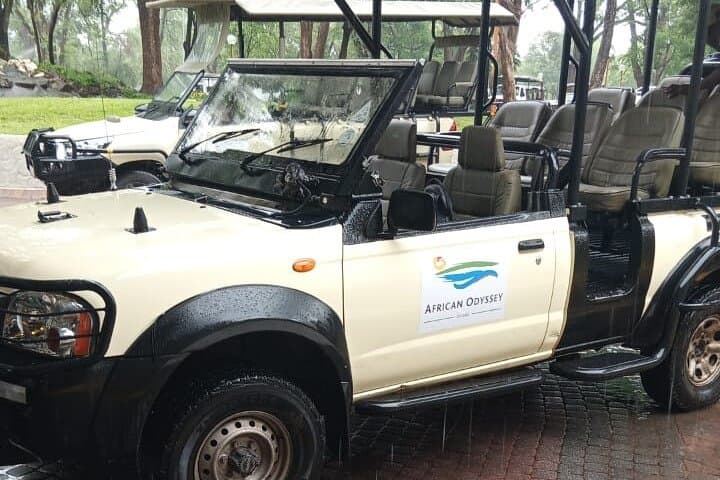
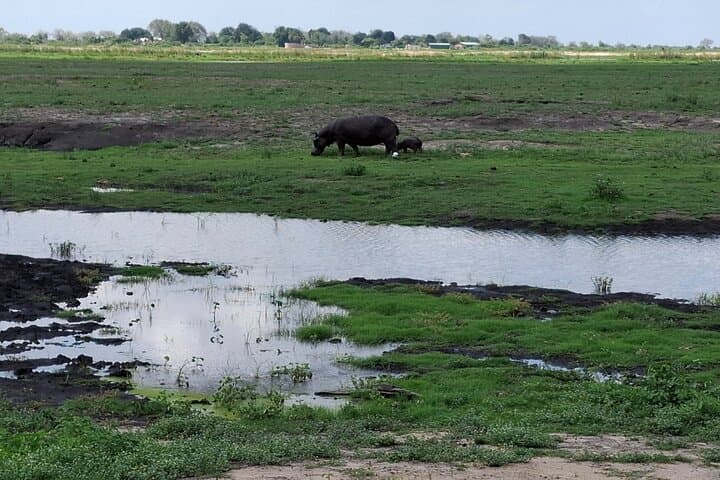
On day two the experience shifts to the wide, slow pulse of the Chobe River. A morning 4x4 game drive moves along floodplain and mopane woodland, then a boat cruise turns the river into a wildlife corridor — elephants and hippos frequent its banks. Lunch is included and the pacing alternates between active walking and relaxed observation.
Practically: expect wet sections on the falls trail (first half especially). Carry a waterproof layer, sturdy shoes with grip, and binoculars for the Chobe cruise. Bring your passport if your itinerary crosses into Botswana, confirm visa needs ahead of time, and plan for sun and heat during daytime hours. Guides speak Spanish and are locally rooted, adding cultural context to the natural spectacle.
moderate.
2 days.
Suitable for travelers who can walk 4 km over uneven, sometimes wet terrain and tolerate multi-hour vehicle and boat transfers.
Yes — several viewpoints spray water over the trail, particularly in the first half; a waterproof layer and protective covers for cameras are recommended.
The Chobe activities take place in Botswana, so you should carry your passport and verify visa requirements for your nationality before travel.
Lunch is included on the Chobe day; confirm any dietary needs at booking and bring snacks or water for the falls walk if desired.
This tour provides Spanish-speaking guides who offer local history and interpretive commentary throughout both days.
The falls carry the Kololo name Mosi-oa-Tunya and were later named Victoria Falls by explorer David Livingstone in 1855; the site has long cultural significance for local communities.
Victoria Falls and the Chobe corridor are part of cross-border conservation efforts; visitors should follow guides’ instructions to minimize disturbance, avoid feeding wildlife, and stay on established paths.
Carlos operates guided outdoor trips and adventures with an emphasis on safety, stewardship, and memorable experiences.
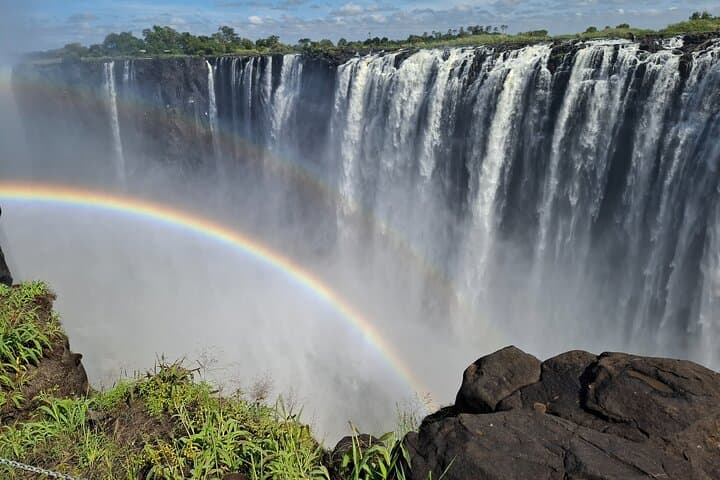
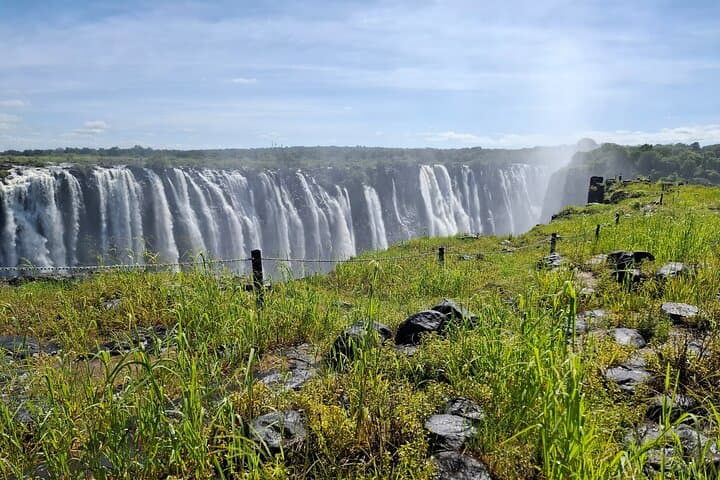
You arrive to the thunder of water before you see it: mist rising like a distant weather front, drumming into the rainforest as the trail narrows and the sound sharpens. The Zimbabwe-side walk tracks roughly four kilometers along the lip of Victoria Falls, moving past 17 distinct viewpoints where spray blurs frames and the river below hurries on.
You arrive to the thunder of water before you see it: mist rising like a distant weather front, drumming into the rainforest as the trail narrows and the sound sharpens. The Zimbabwe-side walk tracks roughly four kilometers along the lip of Victoria Falls, moving past 17 distinct viewpoints where spray blurs frames and the river below hurries on.
The falls are Mosi-oa-Tunya — "the smoke that thunders" — a name that predates David Livingstone's 1855 renaming for Queen Victoria and speaks to a landscape carved by the Zambezi over millennia. The basalt gorges and cataracts here are geological chapters: floodplain river, jointed basalt, and the erosive power that created deep, jagged ravines. Local guides speak of tribal history, colonial exploration, and the seasonal rhythm of the river that swells from January through May.
On day two the experience shifts to the wide, slow pulse of the Chobe River. A morning 4x4 game drive moves along floodplain and mopane woodland, then a boat cruise turns the river into a wildlife corridor — elephants and hippos frequent its banks. Lunch is included and the pacing alternates between active walking and relaxed observation.
Practically: expect wet sections on the falls trail (first half especially). Carry a waterproof layer, sturdy shoes with grip, and binoculars for the Chobe cruise. Bring your passport if your itinerary crosses into Botswana, confirm visa needs ahead of time, and plan for sun and heat during daytime hours. Guides speak Spanish and are locally rooted, adding cultural context to the natural spectacle.