THE ADVENTURE COLLECTIVE® · Independent discovery and booking for outdoor travel

Walk Vilakazi Street, visit the June 16 memorials and meet local residents on a guided half‑day Soweto township tour. Expect history, food stops and an accessible, insight‑filled itinerary.
Walk Vilakazi Street, visit the June 16 memorials and meet local residents on a guided half‑day Soweto township tour. Expect history, food stops and an accessible, insight‑filled itinerary.
You step out of an air‑conditioned van onto a wide, sun-warmed street where colorful murals and vendors call attention like story pages turned open. The pavement hums with daily life—school uniforms, braai smoke, and children darting past historic houses that once sheltered leaders of South Africa’s struggle.
Verified experiences and guided adventures in the surrounding area.
Operated by Hominids Tours & Travel · Johannesburg, Gauteng
You step out of an air‑conditioned van onto a wide, sun-warmed street where colorful murals and vendors call attention like story pages turned open. The pavement hums with daily life—school uniforms, braai smoke, and children darting past historic houses that once sheltered leaders of South Africa’s struggle.
Soweto sits on the Highveld plateau southwest of central Johannesburg, its streets shaped by 20th‑century urban planning, mining booms and the hard lines of apartheid. The tour threads through landmarks: Chris Hani Baragwanath Hospital’s vast blocks, the June 16 memorials that mark the 1976 student uprising, and Vilakazi Street, where Nelson Mandela and Desmond Tutu once lived on the same block. Geological context is evident in the city’s flat, elevated terrain—Remnants of the Witwatersrand gold belt lie a short drive away, but here the story is social: community resilience, cultural creativity and the ever‑present call to remember.
Local guides translate history into human detail—who lived where, why a church doubled as a meeting place, how the Freedom Charter shaped national aspirations. Expect time to interact with residents, optional walks through informal settlements, and a stop at a local eatery for traditional flavors.
Practical notes: the shared itinerary runs about five hours and is wheelchair accessible; mornings are cooler and less busy. Bring water, a small amount of cash for market purchases or donations, comfortable shoes for short walks, and a respectful attitude toward photography. The route balances heavy history with everyday life—plan for a grounded, informative half‑day that leaves you with context as much as scenes.
easy.
5 hours.
Suitable for all fitness levels with short, mostly flat walks; minimal mobility required for van transfers.
Yes—air‑conditioned vehicle transfers are included for pickup and drop‑off as stated in the itinerary.
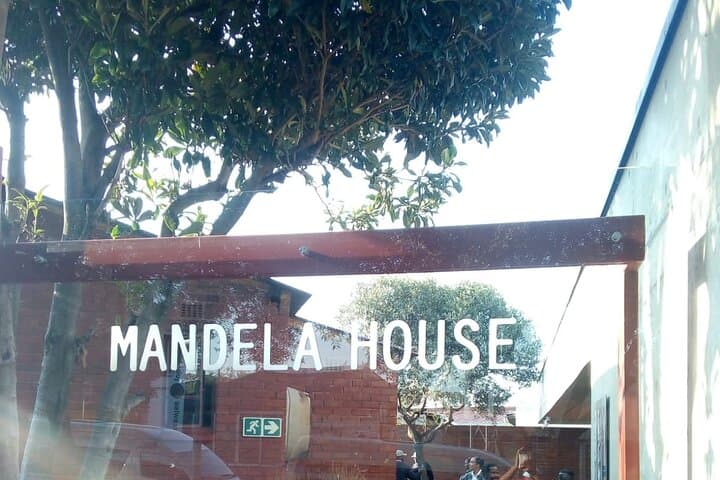
The route typically includes the Mandela House on Vilakazi Street; admission policies can change, so confirm at booking.
Yes—the tour is described as suitable for all fitness levels and wheelchair accessible; check pickup/vehicle needs when you book.
Food tasting may be offered at a local eatery but full meals are not guaranteed; budget cash if you want to purchase food or drinks.
Soweto grew under segregationist urban planning and became a focal point of resistance—most notably the 1976 student uprisings that reshaped South Africa’s path to democracy.
Community tourism supports local businesses and heritage sites; travelers are encouraged to minimize waste, support local vendors directly, and respect residential areas.
Hominids Tours & Travel operates guided outdoor trips and adventures with an emphasis on safety, stewardship, and memorable experiences.
You step out of an air‑conditioned van onto a wide, sun-warmed street where colorful murals and vendors call attention like story pages turned open. The pavement hums with daily life—school uniforms, braai smoke, and children darting past historic houses that once sheltered leaders of South Africa’s struggle.
You step out of an air‑conditioned van onto a wide, sun-warmed street where colorful murals and vendors call attention like story pages turned open. The pavement hums with daily life—school uniforms, braai smoke, and children darting past historic houses that once sheltered leaders of South Africa’s struggle.
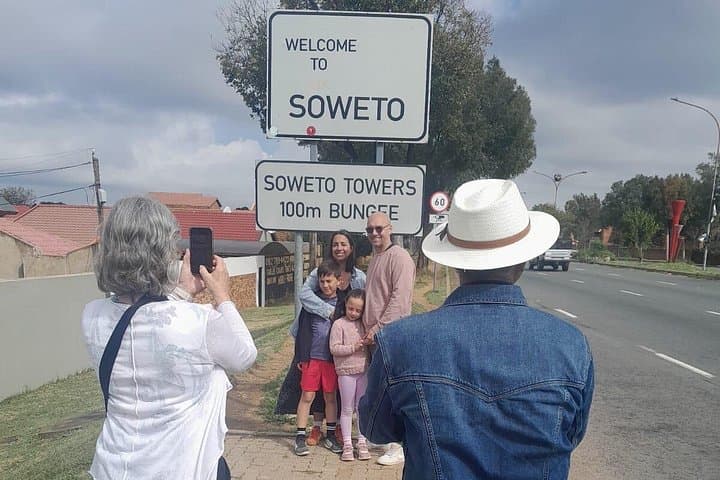
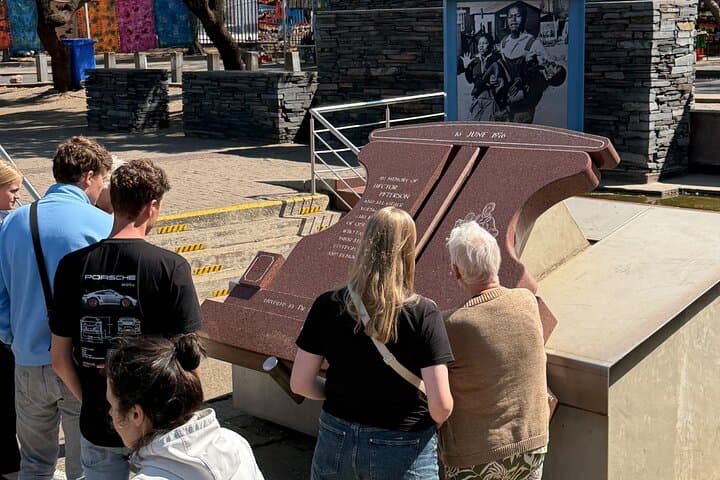
Soweto sits on the Highveld plateau southwest of central Johannesburg, its streets shaped by 20th‑century urban planning, mining booms and the hard lines of apartheid. The tour threads through landmarks: Chris Hani Baragwanath Hospital’s vast blocks, the June 16 memorials that mark the 1976 student uprising, and Vilakazi Street, where Nelson Mandela and Desmond Tutu once lived on the same block. Geological context is evident in the city’s flat, elevated terrain—Remnants of the Witwatersrand gold belt lie a short drive away, but here the story is social: community resilience, cultural creativity and the ever‑present call to remember.
Local guides translate history into human detail—who lived where, why a church doubled as a meeting place, how the Freedom Charter shaped national aspirations. Expect time to interact with residents, optional walks through informal settlements, and a stop at a local eatery for traditional flavors.
Practical notes: the shared itinerary runs about five hours and is wheelchair accessible; mornings are cooler and less busy. Bring water, a small amount of cash for market purchases or donations, comfortable shoes for short walks, and a respectful attitude toward photography. The route balances heavy history with everyday life—plan for a grounded, informative half‑day that leaves you with context as much as scenes.