THE ADVENTURE COLLECTIVE® · Independent discovery and booking for outdoor travel

Explore Soweto’s layered history on a private half‑day tour that combines the Apartheid Museum’s stark exhibits with a visit to Nelson Mandela’s Vilakazi Street home and the Hector Pieterson Memorial. Practical, moving, and easily paired with other Johannesburg sights.
Explore Soweto’s layered history on a private half‑day tour that combines the Apartheid Museum’s stark exhibits with a visit to Nelson Mandela’s Vilakazi Street home and the Hector Pieterson Memorial. Practical, moving, and easily paired with other Johannesburg sights.
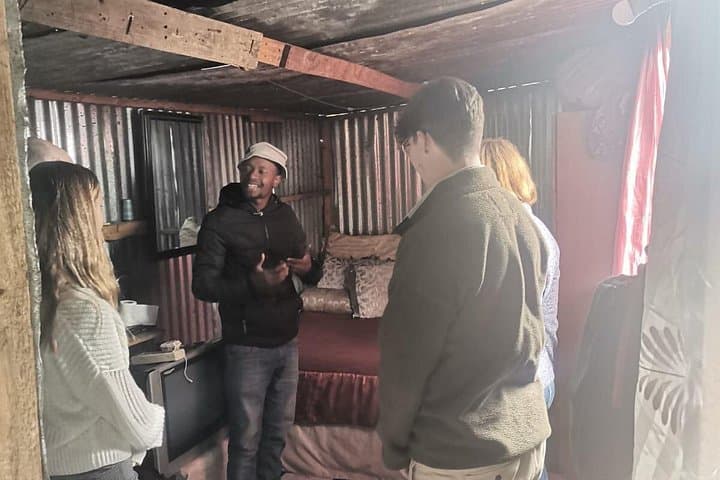
You step out of the car and the air changes: roadway dust, fried street food, and the steady chatter of people moving between markets and memorials. Vilakazi Street’s painted facades and the squat silhouette of the Orlando Towers frame a neighborhood that carries both everyday life and national memory in equal measure.
Verified experiences and guided adventures in the surrounding area.
Operated by Sandton Taxi Cabs (Pty) Ltd · Soweto, Gauteng
You step out of the car and the air changes: roadway dust, fried street food, and the steady chatter of people moving between markets and memorials. Vilakazi Street’s painted facades and the squat silhouette of the Orlando Towers frame a neighborhood that carries both everyday life and national memory in equal measure.
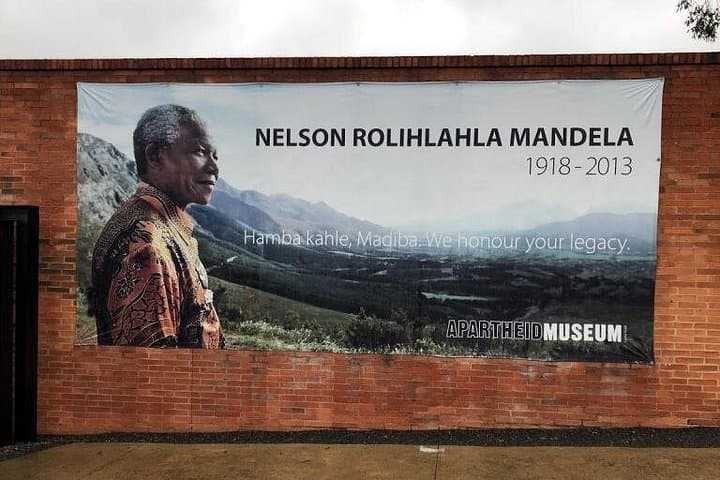
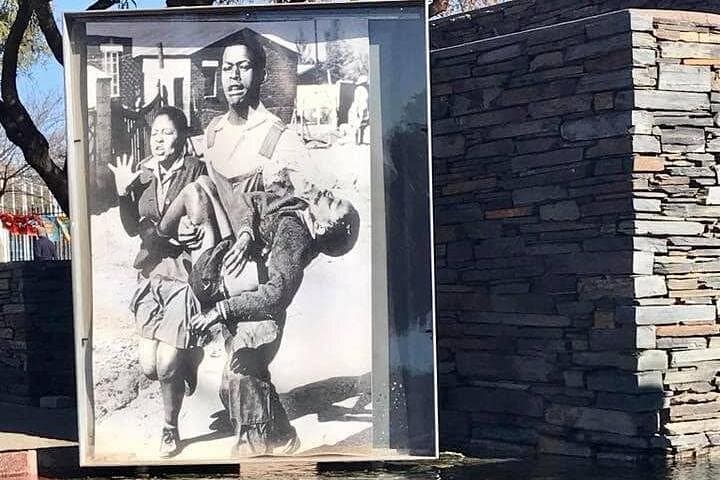
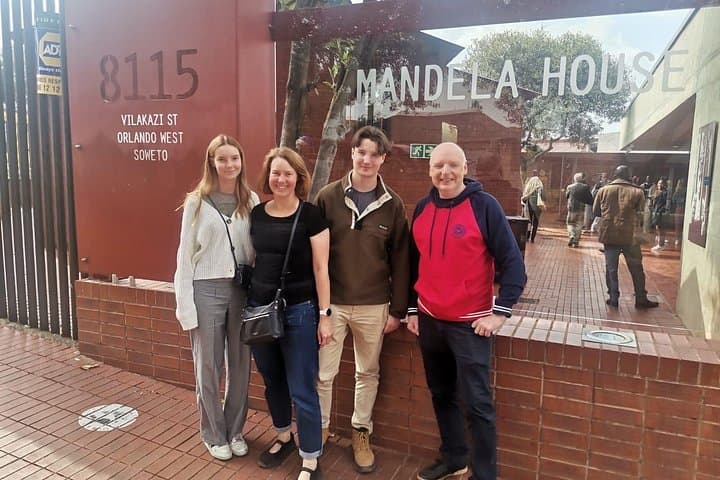
This half‑day route threads Johannesburg’s Highveld into Soweto’s history: the Apartheid Museum’s stark exhibits, the Hector Pieterson Memorial that marks the 1976 student uprising, and Nelson Mandela’s modest Vilakazi Street home where personal history meets public legend. Geologically you’re on the Highveld plateau—flat expanses and red‑brown soils shaped by ancient sediments and the gold rush that drew people to the region.
Soweto’s culture is raw and resilient: township choirs, spaza shops, and commemorative murals coexist with newer cafés and souvenir stalls. The Orlando Cooling Towers are a reminder of industrial Johannesburg repurposed for tourism and adrenaline activities like bungee and abseil.
Practically, the private coach tour runs about five hours with hotel pickup and bottled water provided; museum entry fees are generally excluded. Expect light walking and short stops to photograph memorials and visit Mandela House; the driver offers local commentary but is not a licensed guide unless booked as such. Wheelchair‑accessible options exist, but check ahead for museum closures (the Apartheid Museum can be closed some weekdays). Wear comfortable shoes, carry sun protection, and allow time to browse local crafts if you want authentic keepsakes. This is a compact, emotionally frank introduction to South Africa’s recent past that leaves clear space for reflection and conversation.
easy.
5 hours.
Suitable for most fitness levels; expect light walking up to 1–2 miles and standing during museum stops
No—entry to the Apartheid Museum and some attractions like Orlando Towers activities are typically excluded and paid separately.
Yes; the itinerary is described as physically easy, with short walks and vehicle transport between stops, but some exhibits are emotionally intense and may not be suitable for very young children.
The driver shares deep local knowledge but is not a professional guide unless you pay for a private guide option—ask when booking if you want a licensed guide to accompany museum visits.
Transportation and many stops are wheelchair accessible, but accessibility inside some museums or houses can vary—confirm specific needs when booking.
Soweto was central to the anti‑Apartheid struggle; sites like Hector Pieterson Memorial and Mandela House mark key events in the 1976 youth uprising and Mandela’s personal history.
Support local businesses and vendors, avoid single‑use plastics, and follow site rules—sustainable tourism helps preserve memorials and supports community incomes.
Sandton Taxi Cabs (Pty) Ltd operates guided outdoor trips and adventures with an emphasis on safety, stewardship, and memorable experiences.
You step out of the car and the air changes: roadway dust, fried street food, and the steady chatter of people moving between markets and memorials. Vilakazi Street’s painted facades and the squat silhouette of the Orlando Towers frame a neighborhood that carries both everyday life and national memory in equal measure.
You step out of the car and the air changes: roadway dust, fried street food, and the steady chatter of people moving between markets and memorials. Vilakazi Street’s painted facades and the squat silhouette of the Orlando Towers frame a neighborhood that carries both everyday life and national memory in equal measure.
This half‑day route threads Johannesburg’s Highveld into Soweto’s history: the Apartheid Museum’s stark exhibits, the Hector Pieterson Memorial that marks the 1976 student uprising, and Nelson Mandela’s modest Vilakazi Street home where personal history meets public legend. Geologically you’re on the Highveld plateau—flat expanses and red‑brown soils shaped by ancient sediments and the gold rush that drew people to the region.
Soweto’s culture is raw and resilient: township choirs, spaza shops, and commemorative murals coexist with newer cafés and souvenir stalls. The Orlando Cooling Towers are a reminder of industrial Johannesburg repurposed for tourism and adrenaline activities like bungee and abseil.
Practically, the private coach tour runs about five hours with hotel pickup and bottled water provided; museum entry fees are generally excluded. Expect light walking and short stops to photograph memorials and visit Mandela House; the driver offers local commentary but is not a licensed guide unless booked as such. Wheelchair‑accessible options exist, but check ahead for museum closures (the Apartheid Museum can be closed some weekdays). Wear comfortable shoes, carry sun protection, and allow time to browse local crafts if you want authentic keepsakes. This is a compact, emotionally frank introduction to South Africa’s recent past that leaves clear space for reflection and conversation.