THE ADVENTURE COLLECTIVE® · Independent discovery and booking for outdoor travel

Combine a moving Sunday gospel service at Grace Bible Church with a 3‑hour guided bicycle tour of Soweto. Experience worship, historical sites like Mandela’s house, and local neighborhoods on an accessible urban ride.
Combine a moving Sunday gospel service at Grace Bible Church with a 3‑hour guided bicycle tour of Soweto. Experience worship, historical sites like Mandela’s house, and local neighborhoods on an accessible urban ride.
The morning opens beneath a wide Johannesburg sky as vocal harmonies spill from Grace Bible Church and onto the pavements of Soweto. You arrive among congregants pouring energy into worship—the service runs 09:00–11:00 and can feel like the town’s Sunday heartbeat—then mount a bicycle and roll into streets that tell history with every turn.
Verified experiences and guided adventures in the surrounding area.
Operated by Cycle in Soweto · Soweto, Gauteng
The morning opens beneath a wide Johannesburg sky as vocal harmonies spill from Grace Bible Church and onto the pavements of Soweto. You arrive among congregants pouring energy into worship—the service runs 09:00–11:00 and can feel like the town’s Sunday heartbeat—then mount a bicycle and roll into streets that tell history with every turn.
Soweto’s landscape is recent and layered: former mineworkers’ hostels, the low‑rise houses along Vilakazi Street where Nelson Mandela once lived, and post‑1994 developments that reflect South Africa’s ongoing social changes. Geologically, the area sits on the highveld plateau—flat expanses interrupted by man‑made landmarks rather than dramatic topography—so the ride is urban and accessible, not a technical trail.
Culturally this pairing—gospel service plus cycling—gives both a communal and kinetic view of life here. Guides narrate stories of the anti‑apartheid struggle, the 1994 elections, and daily rhythms today; they may point out subtle markers of change: new housing projects, community gardens, small businesses converting old hostels.
Practically, expect a mostly flat, 3‑hour loop on paved and compact side streets with periodic stops for photos and short walks. Wear comfortable cycling clothes, bring a refillable water bottle, sun protection, and shoes you can walk in. The group dynamic is relaxed but stick with the guide in traffic, obey local road rules, and allow time after the service for coffee before you set off. This is a cultural ride as much as an exercise—both a listening tour and a pedal forward through living history.
moderate.
5–6 hours.
Light to moderate fitness; comfortable on a bike for 2–3 hours with short walking breaks
No—the tour includes bicycle and helmet use, so you just need to bring appropriate clothing and any personal items.
The itinerary begins with the service; it’s integral to the experience, though participants can opt to skip the ride portion if needed by prior arrangement.
The tour is classed as physically easy to moderate, but it is not recommended for those with serious heart, back, or pregnancy restrictions.
Pickup options vary by operator—booking questions request a pickup point, so confirm arrangements when you reserve.
Soweto grew around Johannesburg’s goldfields as housing for mineworkers; it later became a center of resistance during apartheid and a focal point during South Africa’s transition to democracy in 1994.
Community projects in Soweto increasingly focus on greening public spaces and small‑scale recycling; visitors can support local businesses and avoid single‑use plastics.
Cycle in Soweto operates guided outdoor trips and adventures with an emphasis on safety, stewardship, and memorable experiences.
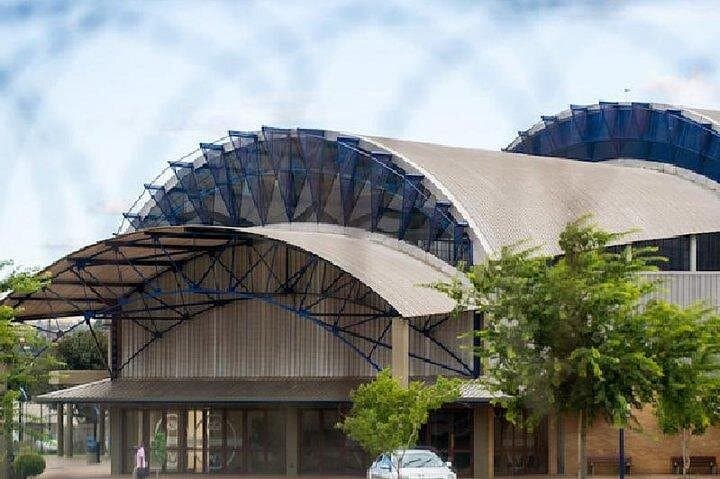

The morning opens beneath a wide Johannesburg sky as vocal harmonies spill from Grace Bible Church and onto the pavements of Soweto. You arrive among congregants pouring energy into worship—the service runs 09:00–11:00 and can feel like the town’s Sunday heartbeat—then mount a bicycle and roll into streets that tell history with every turn.
The morning opens beneath a wide Johannesburg sky as vocal harmonies spill from Grace Bible Church and onto the pavements of Soweto. You arrive among congregants pouring energy into worship—the service runs 09:00–11:00 and can feel like the town’s Sunday heartbeat—then mount a bicycle and roll into streets that tell history with every turn.
Soweto’s landscape is recent and layered: former mineworkers’ hostels, the low‑rise houses along Vilakazi Street where Nelson Mandela once lived, and post‑1994 developments that reflect South Africa’s ongoing social changes. Geologically, the area sits on the highveld plateau—flat expanses interrupted by man‑made landmarks rather than dramatic topography—so the ride is urban and accessible, not a technical trail.
Culturally this pairing—gospel service plus cycling—gives both a communal and kinetic view of life here. Guides narrate stories of the anti‑apartheid struggle, the 1994 elections, and daily rhythms today; they may point out subtle markers of change: new housing projects, community gardens, small businesses converting old hostels.
Practically, expect a mostly flat, 3‑hour loop on paved and compact side streets with periodic stops for photos and short walks. Wear comfortable cycling clothes, bring a refillable water bottle, sun protection, and shoes you can walk in. The group dynamic is relaxed but stick with the guide in traffic, obey local road rules, and allow time after the service for coffee before you set off. This is a cultural ride as much as an exercise—both a listening tour and a pedal forward through living history.