THE ADVENTURE COLLECTIVE® · Independent discovery and booking for outdoor travel

Spend a full day tracing South Africa’s modern history in Soweto before moving to Lesedi Cultural Village for traditional song, dance and cuisine. This combined tour pairs heritage sites with hands-on cultural experiences in an accessible, well-paced itinerary.
Spend a full day tracing South Africa’s modern history in Soweto before moving to Lesedi Cultural Village for traditional song, dance and cuisine. This combined tour pairs heritage sites with hands-on cultural experiences in an accessible, well-paced itinerary.
A low-slung minivan eases out of Johannesburg before dawn and the city’s glass facades give way to wide township streets where children walk to school and laundry snaps on lines. You arrive first on Vilakazi Street, where the faded blue of Nelson Mandela’s former home sits opposite small cafés, and the weight of the 1976 uprising is visible in memorials and everyday life.
Verified experiences and guided adventures in the surrounding area.
Operated by Bono Tours and Safaris · Johannesburg, Gauteng
A low-slung minivan eases out of Johannesburg before dawn and the city’s glass facades give way to wide township streets where children walk to school and laundry snaps on lines. You arrive first on Vilakazi Street, where the faded blue of Nelson Mandela’s former home sits opposite small cafés, and the weight of the 1976 uprising is visible in memorials and everyday life.
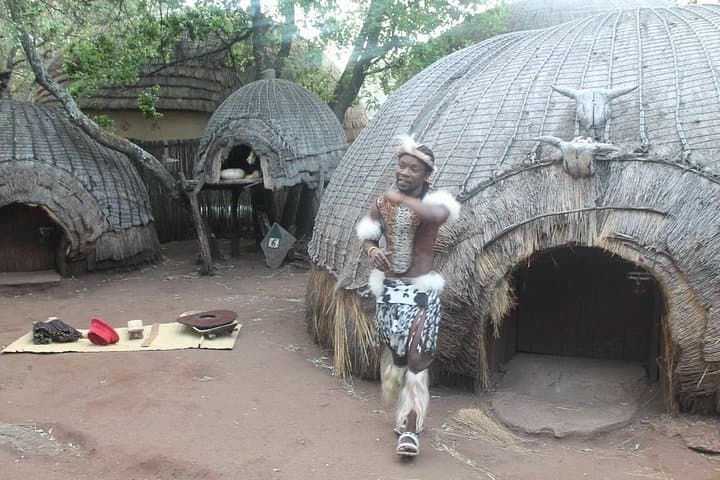
Soweto grew from the labour settlements born of the gold rush and became the epicenter of anti-apartheid resistance; its streets map political memory as clearly as they chart family homes. Later the afternoon moves to Lesedi Cultural Village, where ‘Lesedi’—Sotho for light—frames a different lesson: living cultures. Traditional homesteads represent Zulu, Xhosa, Ndebele, Pedi and Basotho crafts and rites, and guides demonstrate beadwork, song and dance while a multimedia presentation traces connections across languages and land.
Expect guided interpretation, live performances and a buffet of African dishes—try local game meat if offered—and an informal close around an open fire for storytelling. The day combines urban history and curated cultural experience on mostly flat, accessible ground; walking is light but the schedule is long (roughly a full day).
Practical: bring sun protection, comfortable shoes, and local currency for crafts; carry respect—ask before photographing people in private spaces. Pickup from Johannesburg or Pretoria is common; the tour is wheelchair-accessible in main areas but some homesteads use uneven surfaces. Timing your visit earlier in the day avoids afternoon heat and gives more time for markets and museum stops.
easy.
12–13 hours.
Suitable for most fitness levels; expect light walking and short stair sections in some homesteads and museums.
The full excursion runs about 12–13 hours from typical pickup in Johannesburg or Pretoria, including travel time, guided stops and meals.
Main museum areas and parts of the cultural village are accessible, but some homesteads and outdoor areas have uneven ground—advise the operator at booking for specific arrangements.
Yes—lunch and a buffet dinner at the village are included; vegetarian options are available with advance notice.
Yes, professional guides on this tour provide interpretation in English and can offer context on history and cultural practices.
Soweto expanded rapidly as a labour township after Johannesburg’s 1880s gold boom and later became a focal point of the anti-apartheid movement, notably the 1976 student protests; Lesedi was created to showcase and preserve several South African cultural traditions.
Support local guides and vendors to direct tourist revenue to communities; minimize single-use plastics and stick to marked paths at cultural sites to reduce wear.
Bono Tours and Safaris operates guided outdoor trips and adventures with an emphasis on safety, stewardship, and memorable experiences.
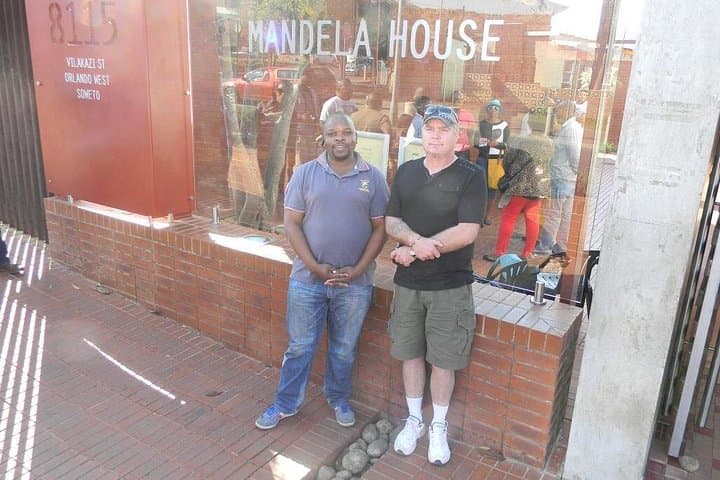
A low-slung minivan eases out of Johannesburg before dawn and the city’s glass facades give way to wide township streets where children walk to school and laundry snaps on lines. You arrive first on Vilakazi Street, where the faded blue of Nelson Mandela’s former home sits opposite small cafés, and the weight of the 1976 uprising is visible in memorials and everyday life.
A low-slung minivan eases out of Johannesburg before dawn and the city’s glass facades give way to wide township streets where children walk to school and laundry snaps on lines. You arrive first on Vilakazi Street, where the faded blue of Nelson Mandela’s former home sits opposite small cafés, and the weight of the 1976 uprising is visible in memorials and everyday life.
Soweto grew from the labour settlements born of the gold rush and became the epicenter of anti-apartheid resistance; its streets map political memory as clearly as they chart family homes. Later the afternoon moves to Lesedi Cultural Village, where ‘Lesedi’—Sotho for light—frames a different lesson: living cultures. Traditional homesteads represent Zulu, Xhosa, Ndebele, Pedi and Basotho crafts and rites, and guides demonstrate beadwork, song and dance while a multimedia presentation traces connections across languages and land.
Expect guided interpretation, live performances and a buffet of African dishes—try local game meat if offered—and an informal close around an open fire for storytelling. The day combines urban history and curated cultural experience on mostly flat, accessible ground; walking is light but the schedule is long (roughly a full day).
Practical: bring sun protection, comfortable shoes, and local currency for crafts; carry respect—ask before photographing people in private spaces. Pickup from Johannesburg or Pretoria is common; the tour is wheelchair-accessible in main areas but some homesteads use uneven surfaces. Timing your visit earlier in the day avoids afternoon heat and gives more time for markets and museum stops.