THE ADVENTURE COLLECTIVE® · Independent discovery and booking for outdoor travel

Spend a day moving from Soweto’s lively streets to the quiet halls of the Apartheid Museum, guided through Johannesburg’s layered past. This full‑day tour mixes township visits, historical sites and city highlights with practical logistics for a smoother visit.
Spend a day moving from Soweto’s lively streets to the quiet halls of the Apartheid Museum, guided through Johannesburg’s layered past. This full‑day tour mixes township visits, historical sites and city highlights with practical logistics for a smoother visit.
You step out of an air‑conditioned minivan and onto Vilakazi Street where voices and vendors create a brisk, human rhythm — this is Soweto, and the city around it refuses to be quiet.
Verified experiences and guided adventures in the surrounding area.
Operated by Zeb Tours and Transfers · Johannesburg, Gauteng
You step out of an air‑conditioned minivan and onto Vilakazi Street where voices and vendors create a brisk, human rhythm — this is Soweto, and the city around it refuses to be quiet.
The day moves between township lanes, imposing civic monuments and the Apartheid Museum’s hushed galleries. Johannesburg itself grew on gold and grit: a late 19th‑century mining boom that left a skyline of industrial bones and a modern mosaic of suburbs and high‑density neighborhoods. Soweto’s streets tell another layer — of community organizing, the 1976 student uprising and homes where leaders like Nelson Mandela and Desmond Tutu once lived.
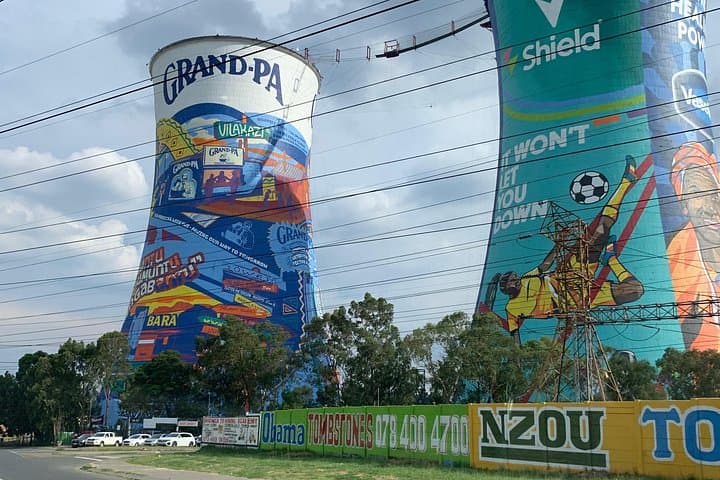
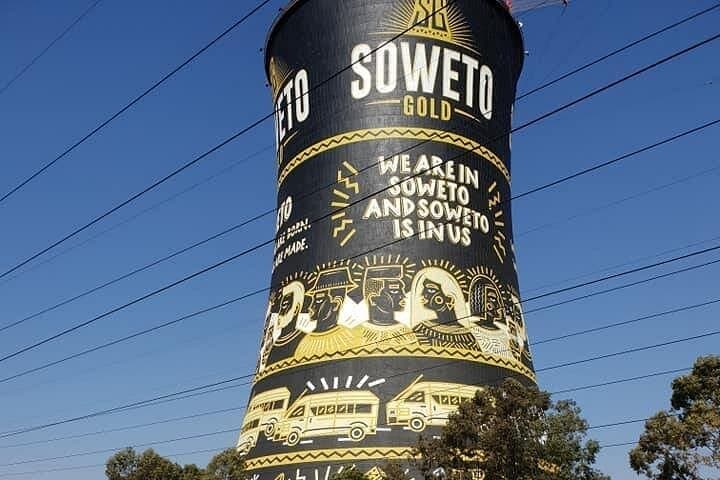
Geology here is subtle: the Highveld’s flat savanna sits atop igneous and sedimentary formations, and the city’s red dust carries the earth’s mining legacy. Culture is immediate — township shebeens, township choirs, murals, and soccer fields where afternoon matches still pull a crowd.
Practically, expect mostly short walks between vehicles and sites: paved streets and some uneven sidewalks in Soweto. The Apartheid Museum requires an hour or two of quiet reflection; allow time for queues. Wear sturdy shoes, sun protection and bring a refillable bottle — bottled water is usually provided on tours but carrying your own helps. Peak heat is midday in summer; schedule museum time in the cooler morning hours if possible. Keep ID handy for pickup and plan for moderate traffic between stops.
This is a cultural, historical and urban tour rather than a wilderness trek — its rewards are stories, context and conversations that reframe the landscape long after you leave.
easy.
6–7 hours.
Suitable for most fitness levels; requires short walks and the ability to board a minivan several times.
Yes — the itinerary lists admission to the Apartheid Museum as included, so you won’t need to buy separate tickets at the site.
The tour notes wheelchair and stroller accessibility for transportation and many surfaces, though some township areas may have uneven paths—check with the operator for specific needs.
The itinerary includes a stop at Mandela’s house on Vilakazi Street; visits are usually brief but allow time for photos and a walkthrough depending on crowding.
Bottled water is included; meals are not universally listed—confirm with the operator if lunch or refreshments are part of your booking or bring cash for local eateries.
Johannesburg rose rapidly after the 1886 gold discoveries; Soweto became a concentrated township where resistance to apartheid crystallized in the 20th century.
Urban green spaces and museums are managed to balance tourism with local community needs—minimizing waste, supporting local guides and respecting residential areas are key practices.
Zeb Tours and Transfers operates guided outdoor trips and adventures with an emphasis on safety, stewardship, and memorable experiences.
You step out of an air‑conditioned minivan and onto Vilakazi Street where voices and vendors create a brisk, human rhythm — this is Soweto, and the city around it refuses to be quiet.
You step out of an air‑conditioned minivan and onto Vilakazi Street where voices and vendors create a brisk, human rhythm — this is Soweto, and the city around it refuses to be quiet.
The day moves between township lanes, imposing civic monuments and the Apartheid Museum’s hushed galleries. Johannesburg itself grew on gold and grit: a late 19th‑century mining boom that left a skyline of industrial bones and a modern mosaic of suburbs and high‑density neighborhoods. Soweto’s streets tell another layer — of community organizing, the 1976 student uprising and homes where leaders like Nelson Mandela and Desmond Tutu once lived.
Geology here is subtle: the Highveld’s flat savanna sits atop igneous and sedimentary formations, and the city’s red dust carries the earth’s mining legacy. Culture is immediate — township shebeens, township choirs, murals, and soccer fields where afternoon matches still pull a crowd.
Practically, expect mostly short walks between vehicles and sites: paved streets and some uneven sidewalks in Soweto. The Apartheid Museum requires an hour or two of quiet reflection; allow time for queues. Wear sturdy shoes, sun protection and bring a refillable bottle — bottled water is usually provided on tours but carrying your own helps. Peak heat is midday in summer; schedule museum time in the cooler morning hours if possible. Keep ID handy for pickup and plan for moderate traffic between stops.
This is a cultural, historical and urban tour rather than a wilderness trek — its rewards are stories, context and conversations that reframe the landscape long after you leave.