THE ADVENTURE COLLECTIVE® · Independent discovery and booking for outdoor travel

Spend a day moving between Johannesburg’s historic sites and Soweto’s vibrant streets — from Constitutional Hill and the Apartheid Museum to Mandela’s house and local shebeens. This guided tour pairs accessible logistics with deep context on South Africa’s recent history.
Spend a day moving between Johannesburg’s historic sites and Soweto’s vibrant streets — from Constitutional Hill and the Apartheid Museum to Mandela’s house and local shebeens. This guided tour pairs accessible logistics with deep context on South Africa’s recent history.
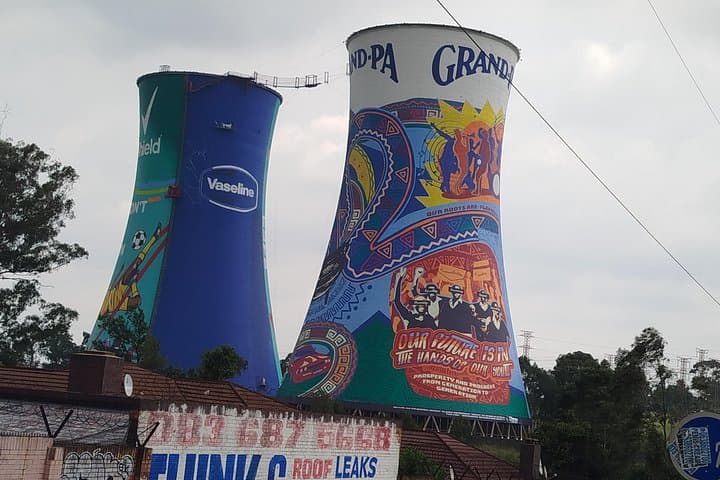
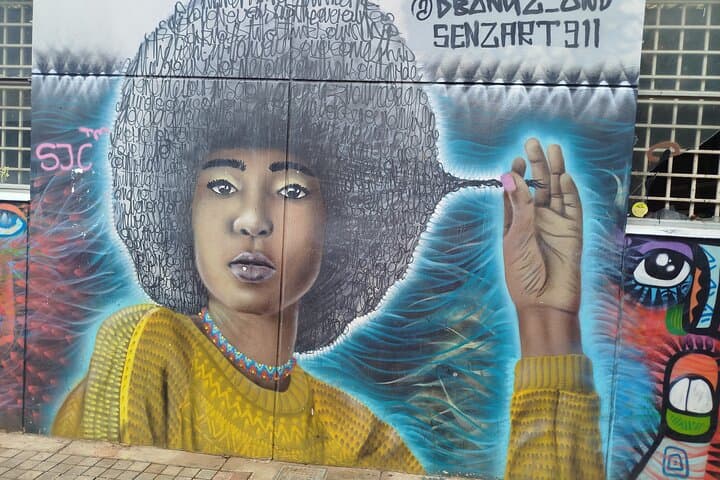
You step onto an air-conditioned minibus and the city opens like a map of contrasts — glass towers giving way to broad township streets where children run between street vendors and muraled walls. The rhythm of Joburg (Johannesburg) is immediate: traffic hums, braai smoke drifts, and the city’s mining-born topography pushes neighborhoods up and down gentle ridges.
Verified experiences and guided adventures in the surrounding area.
Operated by MHLANGANISI TRAVEL AND TOURS · Johannesburg, Gauteng
You step onto an air-conditioned minibus and the city opens like a map of contrasts — glass towers giving way to broad township streets where children run between street vendors and muraled walls. The rhythm of Joburg (Johannesburg) is immediate: traffic hums, braai smoke drifts, and the city’s mining-born topography pushes neighborhoods up and down gentle ridges.
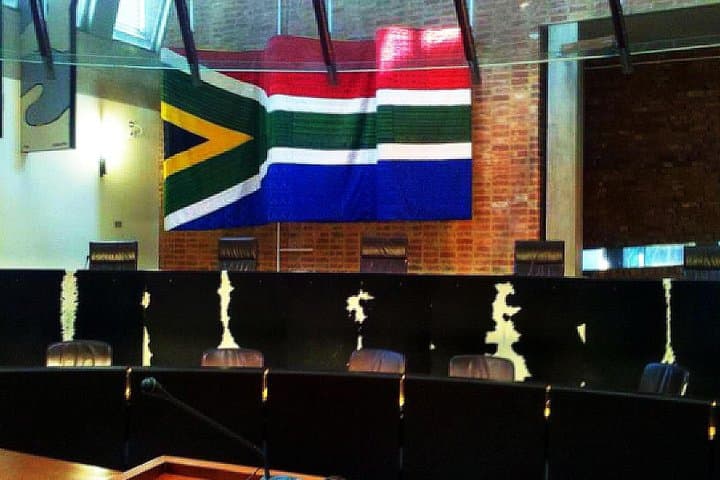
This full-day route threads Constitutional Hill, the Apartheid Museum and Soweto’s streets — sites that chart South Africa’s 20th-century upheaval. Geologically, Johannesburg sits on the Witwatersrand gold reef; that buried wealth shaped rapid urban growth and the segregated layouts that followed. Culturally, Soweto pulses with resilience: Mandela’s house, Tutu’s former home, Hector Pieterson’s memorial, and informal settlements that tell community stories through murals, shebeen food and local entrepreneurship.
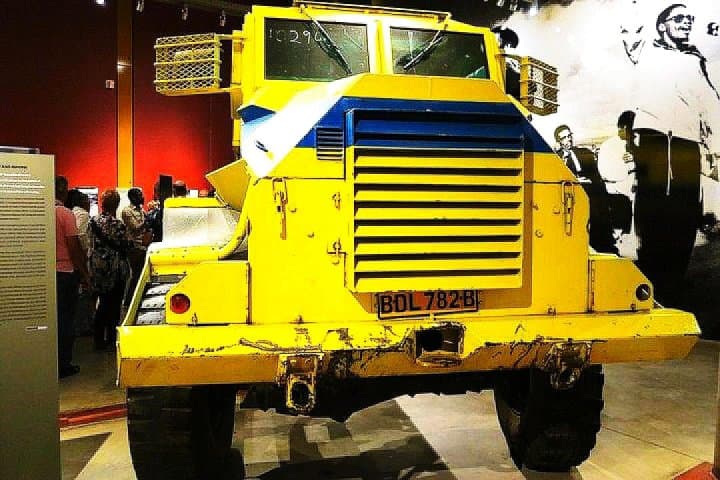
Expect guided stops with time for photo pauses, a visit to the Apartheid Museum’s curated exhibits, and a Soweto walking segment around Orlando West and Vilakazi Street. The pace is conversational and accessible — the day is long, but physically undemanding.
Practical guidance: wear sturdy walking shoes for uneven sidewalks, bring sun protection and water (bottled water is provided onboard), and carry small cash for local markets and lunch. Ask about accessibility needs when booking — the tour notes wheelchair access and stroller-friendly routes.
Being present and respectful matters: ask before photographing people, support small eateries, and allow the history to guide your questions. The tour is a concentrated, tangible way to understand Johannesburg’s past and the community energy that shapes its present.
easy.
8–9 hours.
Suitable for most fitness levels; involves short to moderate periods of walking on uneven sidewalks and steps.
Lunch is not included; the itinerary typically stops in Soweto where you can buy a meal at a local restaurant — plan to have cash or card available.
Yes — the tour advertises wheelchair accessibility for transportation and many sites, but confirm specific mobility needs when booking.
The tour runs about nine hours with multiple stops and short walks; it balances driving segments with guided walks at museums and in Soweto.
Children may join; infants are required to sit on an adult’s lap. Ask the operator about child seats if needed.
Soweto was a focal point of anti-apartheid resistance — the 1976 student uprising and leaders such as Nelson Mandela and Desmond Tutu are closely connected to sites visited on this route.
Support locally owned restaurants and guides to ensure economic benefits stay in community; follow site rules and avoid littering to protect heritage locations.
MHLANGANISI TRAVEL AND TOURS operates guided outdoor trips and adventures with an emphasis on safety, stewardship, and memorable experiences.
You step onto an air-conditioned minibus and the city opens like a map of contrasts — glass towers giving way to broad township streets where children run between street vendors and muraled walls. The rhythm of Joburg (Johannesburg) is immediate: traffic hums, braai smoke drifts, and the city’s mining-born topography pushes neighborhoods up and down gentle ridges.
You step onto an air-conditioned minibus and the city opens like a map of contrasts — glass towers giving way to broad township streets where children run between street vendors and muraled walls. The rhythm of Joburg (Johannesburg) is immediate: traffic hums, braai smoke drifts, and the city’s mining-born topography pushes neighborhoods up and down gentle ridges.
This full-day route threads Constitutional Hill, the Apartheid Museum and Soweto’s streets — sites that chart South Africa’s 20th-century upheaval. Geologically, Johannesburg sits on the Witwatersrand gold reef; that buried wealth shaped rapid urban growth and the segregated layouts that followed. Culturally, Soweto pulses with resilience: Mandela’s house, Tutu’s former home, Hector Pieterson’s memorial, and informal settlements that tell community stories through murals, shebeen food and local entrepreneurship.
Expect guided stops with time for photo pauses, a visit to the Apartheid Museum’s curated exhibits, and a Soweto walking segment around Orlando West and Vilakazi Street. The pace is conversational and accessible — the day is long, but physically undemanding.
Practical guidance: wear sturdy walking shoes for uneven sidewalks, bring sun protection and water (bottled water is provided onboard), and carry small cash for local markets and lunch. Ask about accessibility needs when booking — the tour notes wheelchair access and stroller-friendly routes.
Being present and respectful matters: ask before photographing people, support small eateries, and allow the history to guide your questions. The tour is a concentrated, tangible way to understand Johannesburg’s past and the community energy that shapes its present.