THE ADVENTURE COLLECTIVE® · Independent discovery and booking for outdoor travel

Walk through landmarks that shaped South Africa’s modern history on this full‑day Soweto tour. From the Apartheid Museum’s powerful exhibits to Vilakazi Street’s lived stories, expect an intimate, informative day with local flavor.
Walk through landmarks that shaped South Africa’s modern history on this full‑day Soweto tour. From the Apartheid Museum’s powerful exhibits to Vilakazi Street’s lived stories, expect an intimate, informative day with local flavor.
You step off the air‑conditioned minibus into the low, sunbaked streets of Soweto and the air changes — vendors call, muraled walls stare back, and the pulse of recent history is immediate. The day moves from quiet museum galleries to the energetic hum of Vilakazi Street: a compact route where architecture, protest sites, and community life press close together.
Verified experiences and guided adventures in the surrounding area.
Operated by Roam Afrika Tours and Safaris · Soweto, Gauteng
You step off the air‑conditioned minibus into the low, sunbaked streets of Soweto and the air changes — vendors call, muraled walls stare back, and the pulse of recent history is immediate. The day moves from quiet museum galleries to the energetic hum of Vilakazi Street: a compact route where architecture, protest sites, and community life press close together.
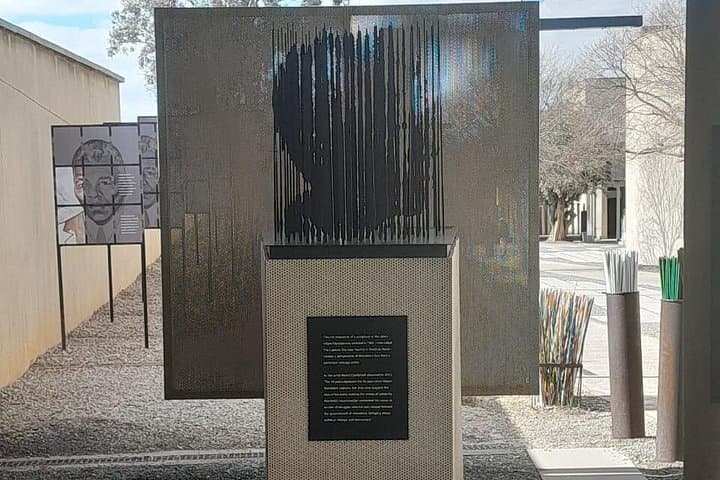
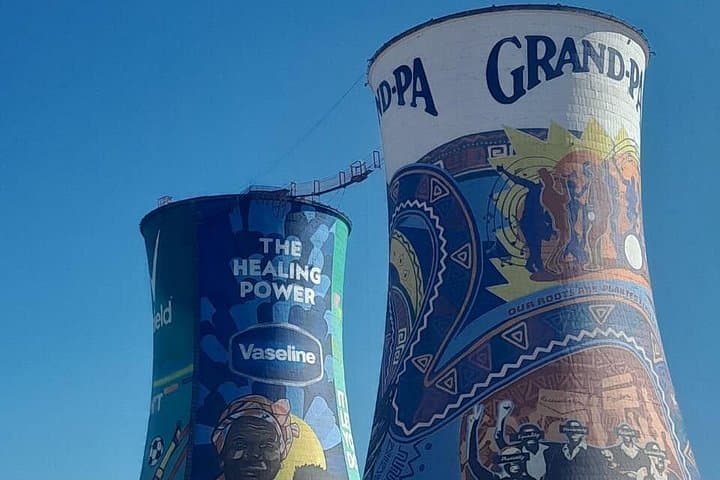
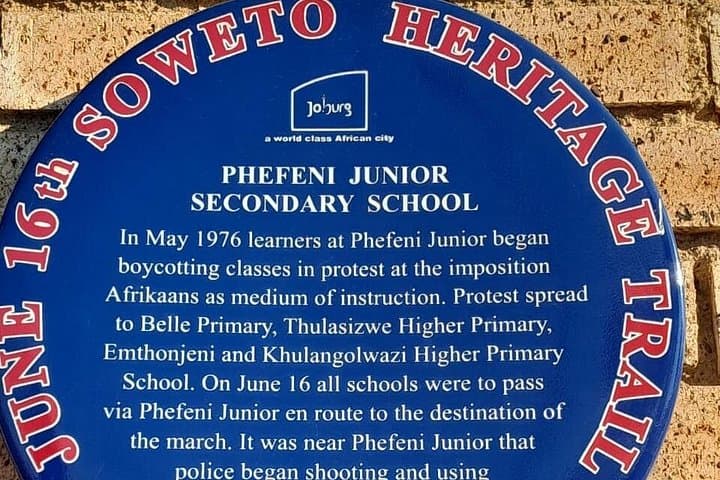
The Apartheid Museum anchors the morning with its stark exhibits tracing segregation, resistance, and the transition to democracy; later, Hector Pieterson’s memorial reframes 1976 through the eyes of children who became icons. Mandela House offers an intimate domestic counterpoint, the worn rooms and personal artifacts giving shape to larger political struggles. Orlando Towers, once industrial infrastructure, now thrusts color and adrenaline into the township skyline — a reminder of adaptive reuse and local creativity.
Soweto’s geology is flat highveld: short grasslands and red clay soil that shaped settlement patterns and township growth. Culturally, the tour threads music, faith, and protest — from Regina Mundi’s sanctuary role to street vendors selling pap and chakalaka. Local guides often weave oral histories into sites, grounding exhibits in personal memory.
Practical guidance: wear comfortable walking shoes and sun protection, bring modest cash for market stalls, and plan for roughly seven hours including museum queues and lunch. Expect moderate walking on paved streets with intermittent steps and ramps. Respect memorial spaces, follow your guide’s directions, and allow time to sit in a café and watch the neighborhood life that gives these historic sites their context.
easy.
7 hours.
Light walking on paved streets; suitable for most fitness levels
This is a full‑day tour of about seven hours including transport, museum visits, and lunch.
Yes — entrance fees listed in the itinerary are included in the tour price.
The tour is suitable for families and those with light mobility limitations but involves walking and some ramps; notify the operator if you need assistance.
Lunch is at a local restaurant offering a buffet; inform the operator of dietary restrictions at booking so they can accommodate if possible.
Soweto was the epicenter of resistance during apartheid; sites like the Hector Pieterson Memorial and Vilakazi Street mark pivotal moments in the struggle for democracy.
Local preservation focuses on maintaining heritage houses and supporting community‑run museums; sustainable tourism here benefits small businesses and encourages respectful site use.
Roam Afrika Tours and Safaris operates guided outdoor trips and adventures with an emphasis on safety, stewardship, and memorable experiences.
You step off the air‑conditioned minibus into the low, sunbaked streets of Soweto and the air changes — vendors call, muraled walls stare back, and the pulse of recent history is immediate. The day moves from quiet museum galleries to the energetic hum of Vilakazi Street: a compact route where architecture, protest sites, and community life press close together.
You step off the air‑conditioned minibus into the low, sunbaked streets of Soweto and the air changes — vendors call, muraled walls stare back, and the pulse of recent history is immediate. The day moves from quiet museum galleries to the energetic hum of Vilakazi Street: a compact route where architecture, protest sites, and community life press close together.
The Apartheid Museum anchors the morning with its stark exhibits tracing segregation, resistance, and the transition to democracy; later, Hector Pieterson’s memorial reframes 1976 through the eyes of children who became icons. Mandela House offers an intimate domestic counterpoint, the worn rooms and personal artifacts giving shape to larger political struggles. Orlando Towers, once industrial infrastructure, now thrusts color and adrenaline into the township skyline — a reminder of adaptive reuse and local creativity.
Soweto’s geology is flat highveld: short grasslands and red clay soil that shaped settlement patterns and township growth. Culturally, the tour threads music, faith, and protest — from Regina Mundi’s sanctuary role to street vendors selling pap and chakalaka. Local guides often weave oral histories into sites, grounding exhibits in personal memory.
Practical guidance: wear comfortable walking shoes and sun protection, bring modest cash for market stalls, and plan for roughly seven hours including museum queues and lunch. Expect moderate walking on paved streets with intermittent steps and ramps. Respect memorial spaces, follow your guide’s directions, and allow time to sit in a café and watch the neighborhood life that gives these historic sites their context.