THE ADVENTURE COLLECTIVE® · Independent discovery and booking for outdoor travel

Explore Soweto’s streets and the Apartheid Museum in a single day. This tour pairs neighborhood context—Mandela House, Hector Pieterson Memorial—with independent time inside the Apartheid Museum.
Explore Soweto’s streets and the Apartheid Museum in a single day. This tour pairs neighborhood context—Mandela House, Hector Pieterson Memorial—with independent time inside the Apartheid Museum.
Morning light finds the minibus threading through Johannesburg’s southern sprawl toward Soweto, where painted fronts, roadside stalls and wide streets set the pace for a day of hard history and living culture.
Verified experiences and guided adventures in the surrounding area.
Operated by Cullinan Guided Journeys · Soweto, Gauteng
Morning light finds the minibus threading through Johannesburg’s southern sprawl toward Soweto, where painted fronts, roadside stalls and wide streets set the pace for a day of hard history and living culture.
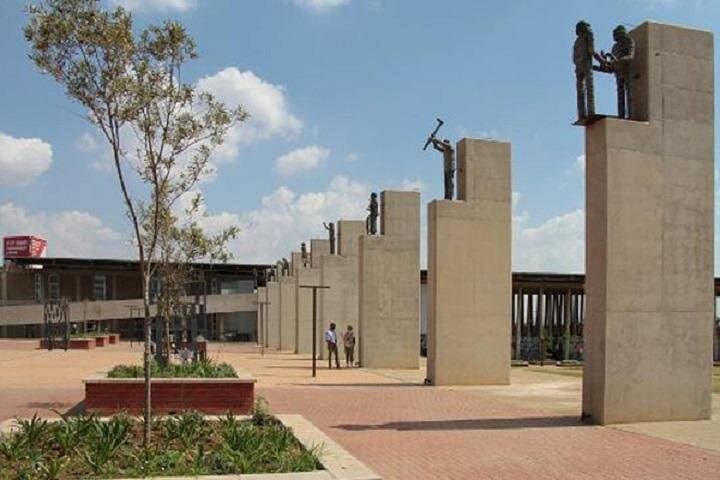
The route moves past Diepkloof hostels and the massive bulk of Chris Hani Baragwanath Hospital, then drops into Orlando West: Mandela House sits on Vilakazi Street, where two Nobel laureates once walked the same pavement. Nearby, the Hector Pieterson Memorial marks the 1976 student uprisings that helped reshape South Africa’s politics. The tour also passes Kliptown and Walter Sisulu Freedom Square, sites of grassroots organizing and community life.
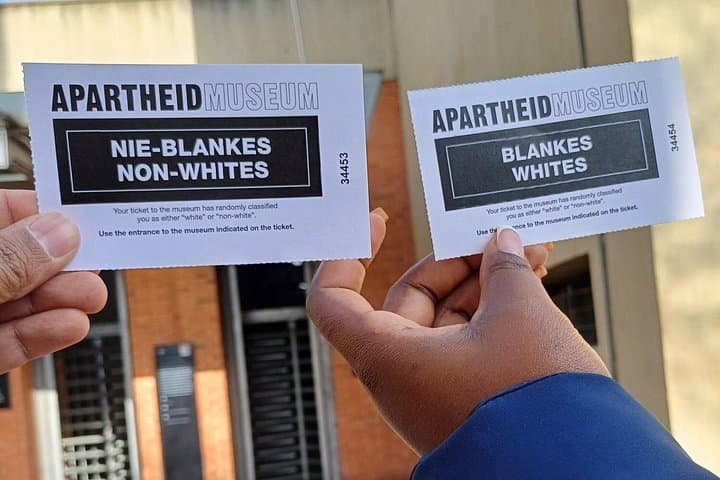
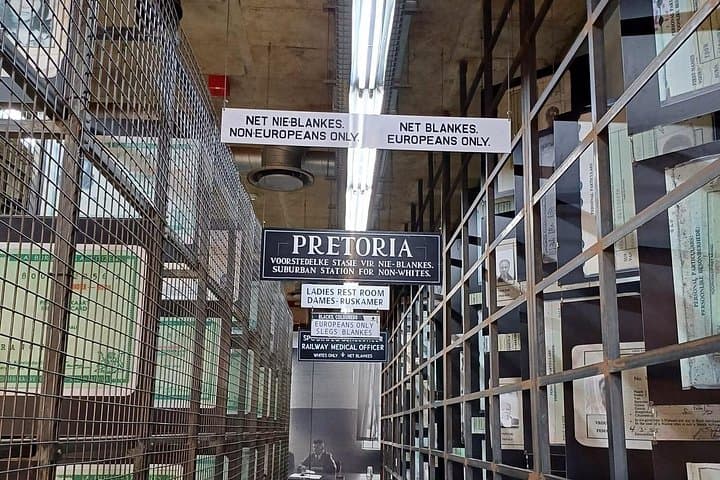
Geology here is the goldfields plain—flat, red soils over Johannesburg’s mining belt—so views are urban rather than alpine, but the scale of human history fills the landscape. The Apartheid Museum, at the day’s end, arranges artifacts, media and personal testimony to make decades of policy and resistance readable.
Practically: expect about five hours on a mixed walking and vehicle tour, with short, guided stops plus time to explore two museums independently. Wear supportive shoes for pavement and uneven museum grounds, carry water, and bring a hat—the sun in Gauteng can be fierce midday. Respect local spaces: photography is welcome at many sites but avoid intrusive shots in residential areas.
This itinerary balances museum depth with neighborhood context—ideal for travelers who want both political history and a grounded sense of contemporary Soweto life.
moderate.
5 hours.
Moderate—able to walk short distances and stand through museum exhibits; some stairs and uneven surfaces possible
Yes—entrance to the Apartheid Museum and the Hector Pieterson Museum are included as part of the tour.
Pickup details are provided after booking; guests receive exact pickup information by email the day before departure—confirm your pickup point if not listed.
Expect short, guided walks at memorials and Vilakazi Street plus time to explore museums independently; mobility limitations should be discussed before booking.
The itinerary includes a short stop at a well-known local restaurant and an optional shebeen visit—bring small change for purchases and tips.
Soweto was a focal point of resistance during Apartheid—the 1976 student uprisings and sustained grassroots organizing shaped modern South Africa.
Support local businesses and follow guidance at memorial sites; responsible tourism helps preserve historic spaces and benefits community initiatives.
Cullinan Guided Journeys operates guided outdoor trips and adventures with an emphasis on safety, stewardship, and memorable experiences.
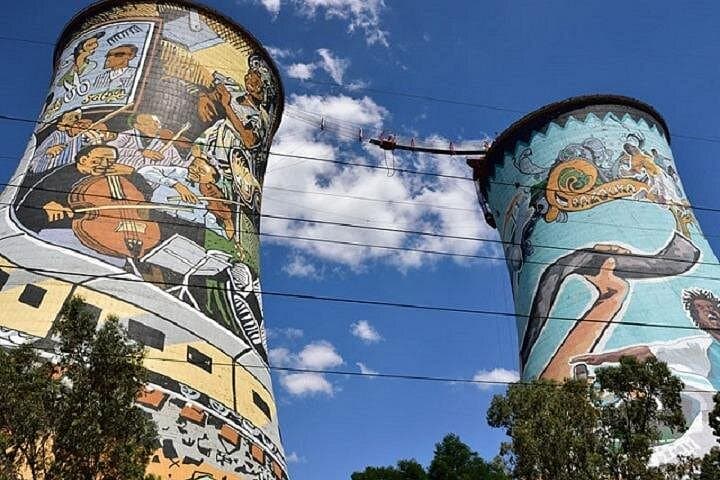
Morning light finds the minibus threading through Johannesburg’s southern sprawl toward Soweto, where painted fronts, roadside stalls and wide streets set the pace for a day of hard history and living culture.
Morning light finds the minibus threading through Johannesburg’s southern sprawl toward Soweto, where painted fronts, roadside stalls and wide streets set the pace for a day of hard history and living culture.
The route moves past Diepkloof hostels and the massive bulk of Chris Hani Baragwanath Hospital, then drops into Orlando West: Mandela House sits on Vilakazi Street, where two Nobel laureates once walked the same pavement. Nearby, the Hector Pieterson Memorial marks the 1976 student uprisings that helped reshape South Africa’s politics. The tour also passes Kliptown and Walter Sisulu Freedom Square, sites of grassroots organizing and community life.
Geology here is the goldfields plain—flat, red soils over Johannesburg’s mining belt—so views are urban rather than alpine, but the scale of human history fills the landscape. The Apartheid Museum, at the day’s end, arranges artifacts, media and personal testimony to make decades of policy and resistance readable.
Practically: expect about five hours on a mixed walking and vehicle tour, with short, guided stops plus time to explore two museums independently. Wear supportive shoes for pavement and uneven museum grounds, carry water, and bring a hat—the sun in Gauteng can be fierce midday. Respect local spaces: photography is welcome at many sites but avoid intrusive shots in residential areas.
This itinerary balances museum depth with neighborhood context—ideal for travelers who want both political history and a grounded sense of contemporary Soweto life.