THE ADVENTURE COLLECTIVE® · Independent discovery and booking for outdoor travel

A compact two‑day private tour that threads Matmata’s cave houses, the salt flats of Chott el Jerid and the waterfalls and canyons of Chebika and Tamerza. Expect long scenic drives, a desert sunset ride and a night in a local hotel with regional food.
A compact two‑day private tour that threads Matmata’s cave houses, the salt flats of Chott el Jerid and the waterfalls and canyons of Chebika and Tamerza. Expect long scenic drives, a desert sunset ride and a night in a local hotel with regional food.
The sun lowers behind wind-sculpted ridges as your air‑conditioned vehicle threads a ribbon of asphalt into open desert.
Verified experiences and guided adventures in the surrounding area.
Operated by Discount Travel Services · Tozeur, Tozeur Governorate
The sun lowers behind wind-sculpted ridges as your air‑conditioned vehicle threads a ribbon of asphalt into open desert.
By the time you reach Matmata the light has shifted; cave-house doorways and low stone walls cast long, honest shadows. The first day moves from vernacular Berber homesteads — Sidi Driss, a filming location for Star Wars — to a sunset camel or quad ride at the Twelve Desert Gate, where dunes dare you to keep watching as they change color.
Southern Tunisia sits where the tell (plains) yields to the Saharan fringe: salt flats (Chott el Jerid), rocky escarpments and isolated oases carved into canyons at Chebika and Tamerza. The geology is plain and raw—evaporite basins, wind-polished rock, and springs that collect where faults allow water to surface. Culturally this is Berber country: small villages, olive-press traditions, and a cuisine built around dates, olive oil and hearty stews.
Practical edge: the tour is a short, intense stretch of travel—expect long drives broken by short walks and cultural stops. One night is half board in a desert hotel; the guide covers transport, site fees and select tastings. Bring layered sun protection, 2–3 liters of water per day, and shoes for rocky gorges and short oasis swims.
Timing matters—early mornings and late afternoons are when colors and temperatures cooperate. Respect local customs in villages, carry cash for small purchases, and leave no trace: these springs and olive groves are fragile. This two‑day circuit is compact but rich—desert motion, living history, and pockets of green that seem to defy the horizon.
easy.
2 days (approx. 22 hours total).
Suitable for travelers with basic mobility; involves short walks, boarding a vehicle and optional camel/quad rides.
Pickup and drop-off points are arranged locally—confirm your pickup location at booking; many departures originate from nearby towns or resorts.
The tour lists wheelchair‑accessible transportation and surfaces, but some sites (cave houses and uneven oasis trails) have steps and uneven ground—check specifics with the operator before booking.
One night is half board: dinner and breakfast at the hotel are included; lunches and additional drinks are typically the traveler’s responsibility.
Yes—an optional camel ride or quad bike experience is offered at the desert gate; confirm availability and any extra fees in advance.
The region blends Berber heritage with 20th-century film history—Matmata cave homes were used as sets in Star Wars, and oases supported trade routes across the Sahara.
Southern Tunisia’s oases and salt pans are fragile—minimize water use, avoid trampling vegetation and support local guides who practice sustainable tourism.
Discount Travel Services operates guided outdoor trips and adventures with an emphasis on safety, stewardship, and memorable experiences.
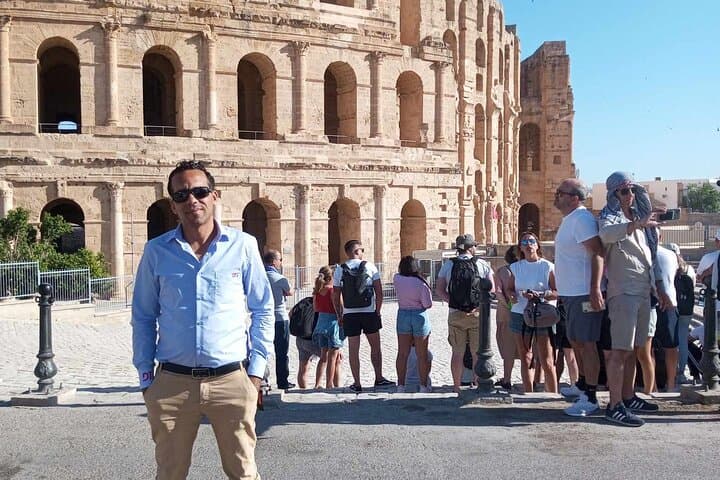
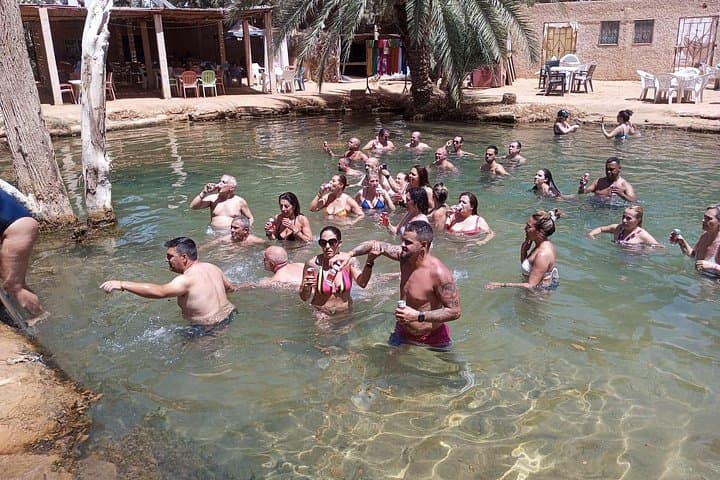
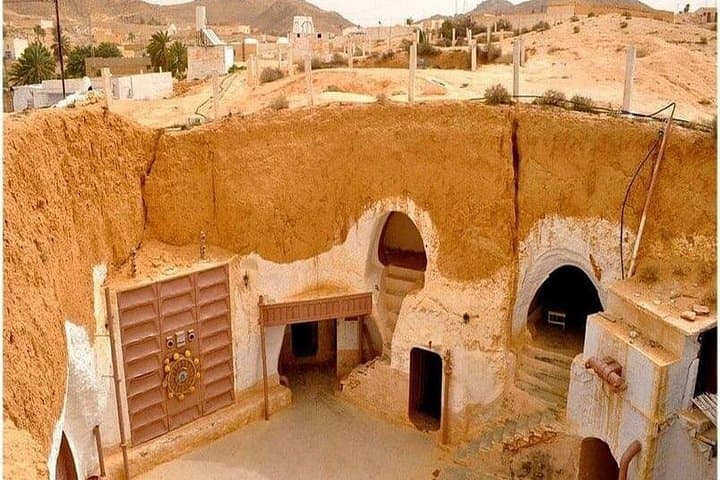
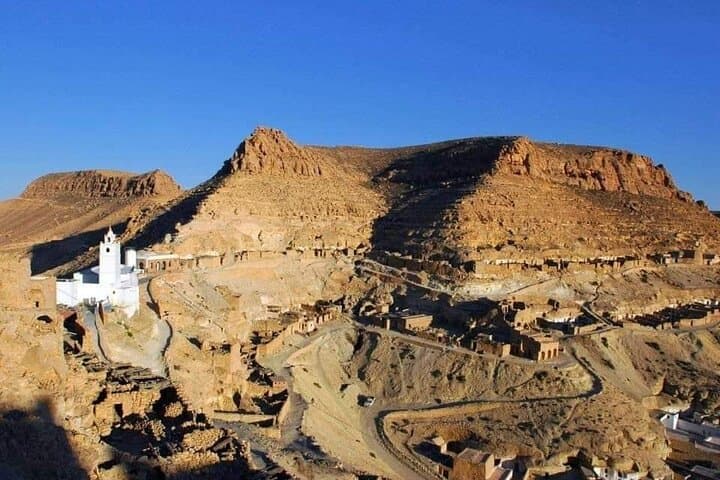
The sun lowers behind wind-sculpted ridges as your air‑conditioned vehicle threads a ribbon of asphalt into open desert.
The sun lowers behind wind-sculpted ridges as your air‑conditioned vehicle threads a ribbon of asphalt into open desert.
By the time you reach Matmata the light has shifted; cave-house doorways and low stone walls cast long, honest shadows. The first day moves from vernacular Berber homesteads — Sidi Driss, a filming location for Star Wars — to a sunset camel or quad ride at the Twelve Desert Gate, where dunes dare you to keep watching as they change color.
Southern Tunisia sits where the tell (plains) yields to the Saharan fringe: salt flats (Chott el Jerid), rocky escarpments and isolated oases carved into canyons at Chebika and Tamerza. The geology is plain and raw—evaporite basins, wind-polished rock, and springs that collect where faults allow water to surface. Culturally this is Berber country: small villages, olive-press traditions, and a cuisine built around dates, olive oil and hearty stews.
Practical edge: the tour is a short, intense stretch of travel—expect long drives broken by short walks and cultural stops. One night is half board in a desert hotel; the guide covers transport, site fees and select tastings. Bring layered sun protection, 2–3 liters of water per day, and shoes for rocky gorges and short oasis swims.
Timing matters—early mornings and late afternoons are when colors and temperatures cooperate. Respect local customs in villages, carry cash for small purchases, and leave no trace: these springs and olive groves are fragile. This two‑day circuit is compact but rich—desert motion, living history, and pockets of green that seem to defy the horizon.