THE ADVENTURE COLLECTIVE® · Independent discovery and booking for outdoor travel

Spend a full day on Sri Lanka’s south coast: walk the ramparts of Galle Fort, glide through the Madu River’s mangrove isles, visit Ambalangoda’s mask makers, and see turtles at Kosgoda. This private, 8–10 hour loop mixes history, wildlife and coastal culture with minimal hiking.
Spend a full day on Sri Lanka’s south coast: walk the ramparts of Galle Fort, glide through the Madu River’s mangrove isles, visit Ambalangoda’s mask makers, and see turtles at Kosgoda. This private, 8–10 hour loop mixes history, wildlife and coastal culture with minimal hiking.
You step out of an air-conditioned van onto granite ramparts that face the Arabian Sea; salt wind pushes at your shirt and the lighthouse watches like an old harbor-guard. The day unfolds along Sri Lanka’s southwest edge — a measured loop from Colombo through coastal villages to the Dutch-built streets of Galle, mangrove channels of the Madu River, the artisanal mask shops of Ambalangoda and a Kosgoda turtle hatchery.
Verified experiences and guided adventures in the surrounding area.
Operated by Classical Lanka Tours · Galle, Southern Province
You step out of an air-conditioned van onto granite ramparts that face the Arabian Sea; salt wind pushes at your shirt and the lighthouse watches like an old harbor-guard. The day unfolds along Sri Lanka’s southwest edge — a measured loop from Colombo through coastal villages to the Dutch-built streets of Galle, mangrove channels of the Madu River, the artisanal mask shops of Ambalangoda and a Kosgoda turtle hatchery.
Galle Fort dates to the late 16th century: first charted by Portuguese builders and reshaped into thick bastions by the Dutch in the 1600s. The region’s geology is simple — flat, sandy coastlines backed by low hills and coral outcrops — but its culture is layered: colonial brickwork, Buddhist shrines, and fishermen mending nets beside mangrove roots. The Madu River, with about 64 tiny islets, is more than scenery; it’s an ecosystem that cradles kingfishers, herons and shrimp farms, while Ambalangoda’s mask makers keep a theatrical craft alive with lacquered palms and fierce, painted faces.
Practically: expect 8–10 hours on a private, air-conditioned vehicle with onboard Wi‑Fi and bottled water. Walks are short but involve uneven cobbles and sandy stretches; bring reef-safe sunscreen, a hat and comfortable shoes. Plan an early departure from Colombo to avoid midday traffic and to catch softer light at Galle Fort. Respect hatchery rules — observe, don’t handle, and choose operators who release turtles responsibly. This is a full day of accessible coastal history, hands-on culture and low-key wildlife viewing — compact, vivid and travel-friendly.
easy.
8–10 hours.
Light fitness; able to walk short distances on uneven cobblestones and sandy beach accesses throughout the day.
Yes — this is a private tour with pickup and return; confirm your pickup point when booking.
Expect about 1.5–2 hours on a guided boat through the mangrove channels and small islets.
Bottled water and private transport are included, but full meals are typically not; plan for lunch stops or bring snacks unless your operator specifies otherwise.
No — reputable hatcheries prohibit handling; you can observe releases and learn about conservation best practices.
Galle Fort began as a Portuguese trading post in 1588 and was substantially fortified by the Dutch from 1649 onward, creating the brick ramparts seen today.
Mangroves and turtle populations face pressures from development and pollution; choose operators that support hatchery releases, avoid single-use plastics and respect protected nesting areas.
Classical Lanka Tours operates guided outdoor trips and adventures with an emphasis on safety, stewardship, and memorable experiences.

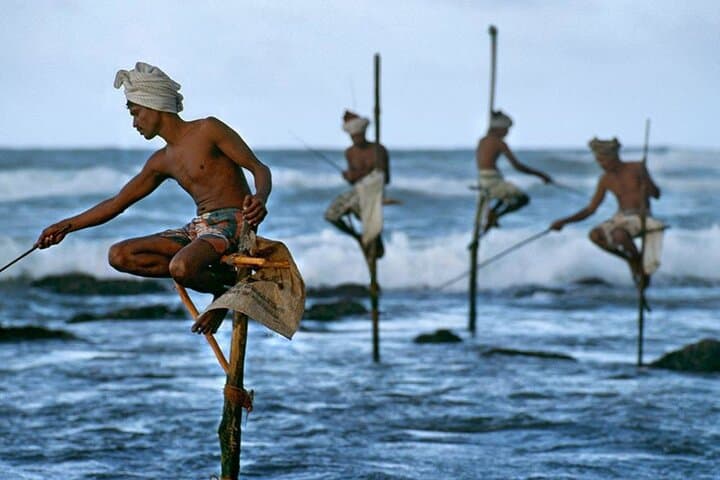


You step out of an air-conditioned van onto granite ramparts that face the Arabian Sea; salt wind pushes at your shirt and the lighthouse watches like an old harbor-guard. The day unfolds along Sri Lanka’s southwest edge — a measured loop from Colombo through coastal villages to the Dutch-built streets of Galle, mangrove channels of the Madu River, the artisanal mask shops of Ambalangoda and a Kosgoda turtle hatchery.
You step out of an air-conditioned van onto granite ramparts that face the Arabian Sea; salt wind pushes at your shirt and the lighthouse watches like an old harbor-guard. The day unfolds along Sri Lanka’s southwest edge — a measured loop from Colombo through coastal villages to the Dutch-built streets of Galle, mangrove channels of the Madu River, the artisanal mask shops of Ambalangoda and a Kosgoda turtle hatchery.
Galle Fort dates to the late 16th century: first charted by Portuguese builders and reshaped into thick bastions by the Dutch in the 1600s. The region’s geology is simple — flat, sandy coastlines backed by low hills and coral outcrops — but its culture is layered: colonial brickwork, Buddhist shrines, and fishermen mending nets beside mangrove roots. The Madu River, with about 64 tiny islets, is more than scenery; it’s an ecosystem that cradles kingfishers, herons and shrimp farms, while Ambalangoda’s mask makers keep a theatrical craft alive with lacquered palms and fierce, painted faces.
Practically: expect 8–10 hours on a private, air-conditioned vehicle with onboard Wi‑Fi and bottled water. Walks are short but involve uneven cobbles and sandy stretches; bring reef-safe sunscreen, a hat and comfortable shoes. Plan an early departure from Colombo to avoid midday traffic and to catch softer light at Galle Fort. Respect hatchery rules — observe, don’t handle, and choose operators who release turtles responsibly. This is a full day of accessible coastal history, hands-on culture and low-key wildlife viewing — compact, vivid and travel-friendly.