THE ADVENTURE COLLECTIVE® · Independent discovery and booking for outdoor travel

Covering Bentota beach, a sea turtle hatchery, the mangrove channels of Madu Ganga, moonstone pits and Galle Fort, this private day trip packs coastal nature and heritage into a single long day. Start early, dress for sun and short walks, and expect a mix of boat time and cultural stops.
Covering Bentota beach, a sea turtle hatchery, the mangrove channels of Madu Ganga, moonstone pits and Galle Fort, this private day trip packs coastal nature and heritage into a single long day. Start early, dress for sun and short walks, and expect a mix of boat time and cultural stops.
You step out of the air‑conditioned vehicle into a beach that seems to stretch forever—Bentota’s sand warming fast under a bright, tropical sun. The ocean pulls at your feet while palms lean in, and the chauffeur-guide folds a map of the day: turtle hatchery, a slow boat through mangrove islands, hand‑dug moonstone pits, and the compact streets of Galle Fort.
Verified experiences and guided adventures in the surrounding area.
Operated by ceylenese · Galle, Southern Province
You step out of the air‑conditioned vehicle into a beach that seems to stretch forever—Bentota’s sand warming fast under a bright, tropical sun. The ocean pulls at your feet while palms lean in, and the chauffeur-guide folds a map of the day: turtle hatchery, a slow boat through mangrove islands, hand‑dug moonstone pits, and the compact streets of Galle Fort.
This corridor of Sri Lanka’s southwest is layered: Portuguese and Dutch stonework at Galle from the 16th–17th centuries; Meetiyagoda’s moonstone workings, dug in waterlogged pits since the early 1900s; and the Madu Ganga wetlands—an estuarine network where cinnamon is still produced by island families and mangroves cradle a surprising biodiversity. Geologically the coast is young, shaped by monsoon swells and estuary sediments, producing long sandy beaches and sheltered river channels ideal for small craft.
Expect practical rhythms, not rugged wilderness: short walks, boat transfers, and a buffet lunch at a local restaurant. The Madu River ride is quiet and shaded; bring a light rain layer for spit storms. At turtle hatcheries learn about rehabilitation and release cycles, and at the moonstone pits see miners working soft alluvium by hand.
Timing matters—start early to avoid Colombo traffic, and plan for a 10–12 hour day if picked up from the city. Wear sturdy sandals or trainers, sunscreen, and insect repellent. Cash helps for small purchases and tips, but most entrance fees and lunch are included in the all‑inclusive option. This is a high‑value, accessible day of coastline, culture, and quiet waterways.
easy.
10–12 hours.
Suitable for travelers in average fitness—mostly short walks, boat rides, and hotel pickup/drop‑off; not strenuous.
Most tours offer hotel pickup in Colombo and nearby suburbs; confirm your exact pickup point when booking.
The all‑inclusive option covers entrance fees for listed attractions and a buffet lunch; confirm your booking type to avoid surprises.
Boat landings are simple but often require stepping down; while transport is wheelchair accessible, river access may be limited—check ahead for specific needs.
Yes—hatchery visits are family friendly and educational, but handling rules are strict to protect animals; follow staff guidance.
Galle Fort began as a Portuguese outpost in the late 1500s and was extensively fortified by the Dutch in the 17th century; today it’s a UNESCO World Heritage urban ensemble.
Local turtle hatcheries rehabilitate injured turtles and manage nesting returns, while the Madu Ganga’s mangroves are protected for their role in coastal biodiversity and livelihood support.
ceylenese operates guided outdoor trips and adventures with an emphasis on safety, stewardship, and memorable experiences.
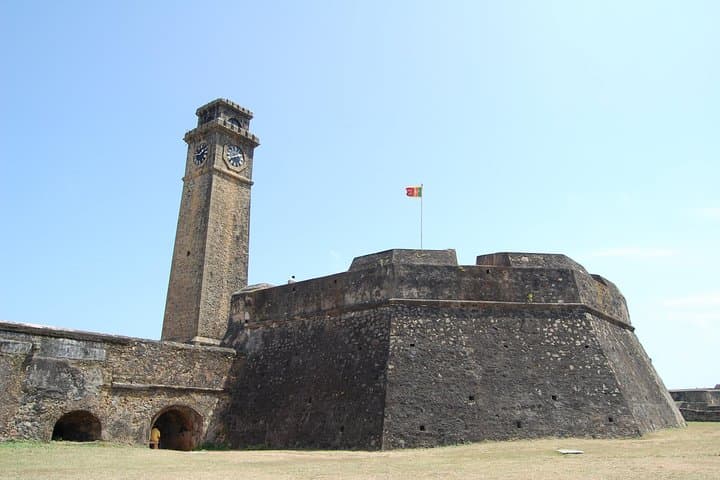
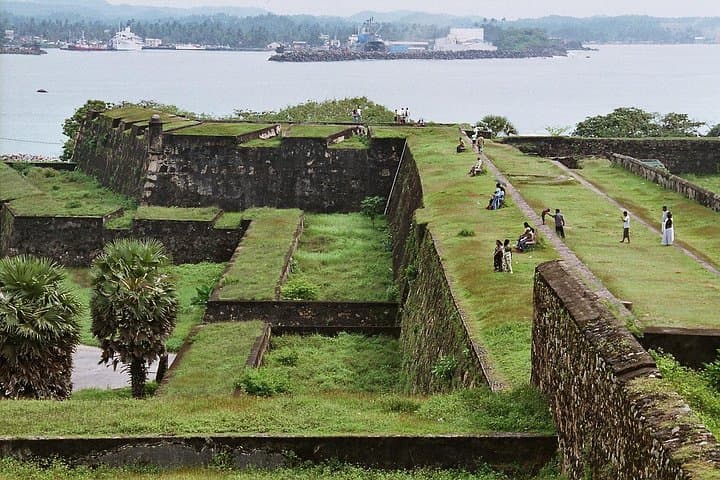
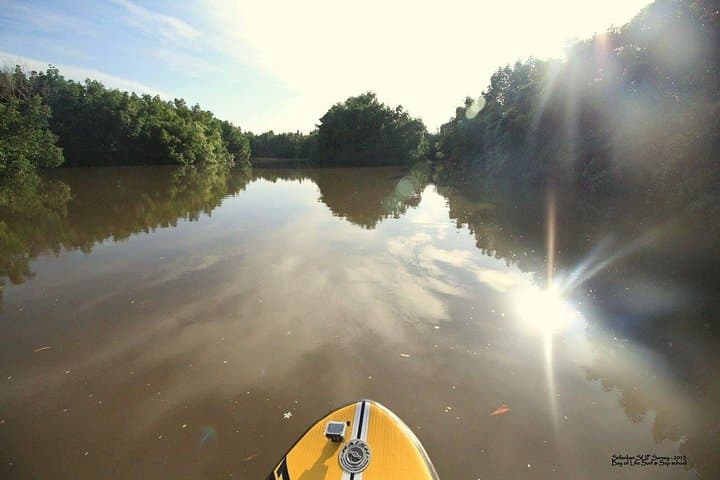
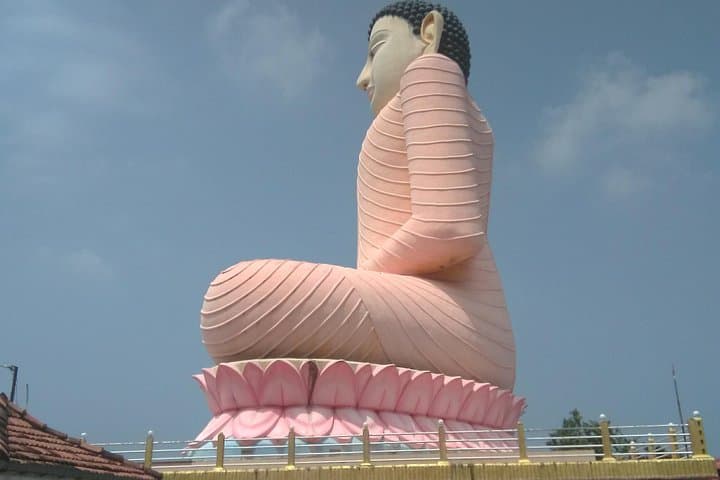
You step out of the air‑conditioned vehicle into a beach that seems to stretch forever—Bentota’s sand warming fast under a bright, tropical sun. The ocean pulls at your feet while palms lean in, and the chauffeur-guide folds a map of the day: turtle hatchery, a slow boat through mangrove islands, hand‑dug moonstone pits, and the compact streets of Galle Fort.
You step out of the air‑conditioned vehicle into a beach that seems to stretch forever—Bentota’s sand warming fast under a bright, tropical sun. The ocean pulls at your feet while palms lean in, and the chauffeur-guide folds a map of the day: turtle hatchery, a slow boat through mangrove islands, hand‑dug moonstone pits, and the compact streets of Galle Fort.
This corridor of Sri Lanka’s southwest is layered: Portuguese and Dutch stonework at Galle from the 16th–17th centuries; Meetiyagoda’s moonstone workings, dug in waterlogged pits since the early 1900s; and the Madu Ganga wetlands—an estuarine network where cinnamon is still produced by island families and mangroves cradle a surprising biodiversity. Geologically the coast is young, shaped by monsoon swells and estuary sediments, producing long sandy beaches and sheltered river channels ideal for small craft.
Expect practical rhythms, not rugged wilderness: short walks, boat transfers, and a buffet lunch at a local restaurant. The Madu River ride is quiet and shaded; bring a light rain layer for spit storms. At turtle hatcheries learn about rehabilitation and release cycles, and at the moonstone pits see miners working soft alluvium by hand.
Timing matters—start early to avoid Colombo traffic, and plan for a 10–12 hour day if picked up from the city. Wear sturdy sandals or trainers, sunscreen, and insect repellent. Cash helps for small purchases and tips, but most entrance fees and lunch are included in the all‑inclusive option. This is a high‑value, accessible day of coastline, culture, and quiet waterways.