THE ADVENTURE COLLECTIVE® · Independent discovery and booking for outdoor travel

On the Otago Peninsula a farm field becomes a theater for the Southern sky. This four-hour tour blends Māori sky stories, coastal atmosphere and focused viewing—perfect for first-time stargazers and culture-minded travelers.
On the Otago Peninsula a farm field becomes a theater for the Southern sky. This four-hour tour blends Māori sky stories, coastal atmosphere and focused viewing—perfect for first-time stargazers and culture-minded travelers.
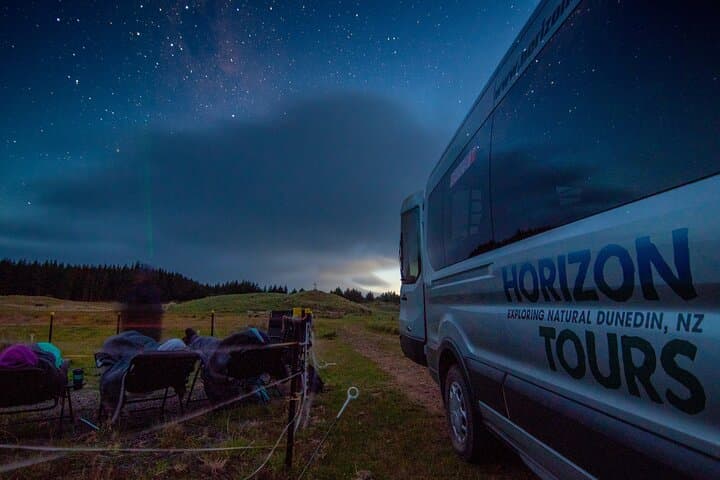
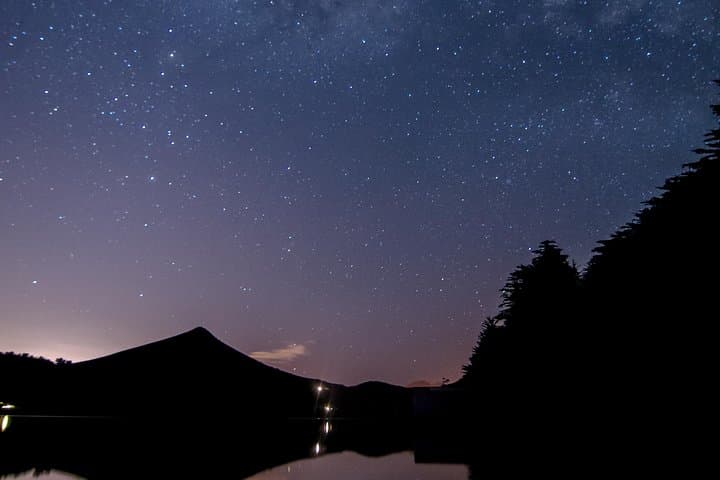
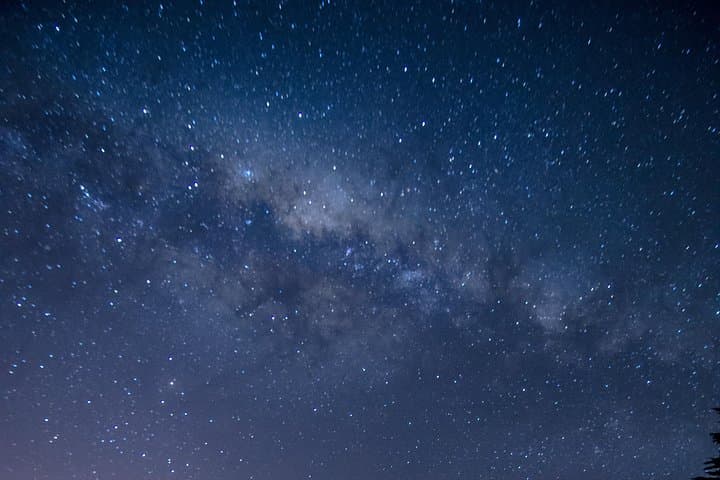
A cold wind from the Pacific moves across Hoopers Inlet and the stars respond, sharp and bright over the Otago Peninsula. On clear nights the Milky Way cuts a white ribbon across the southern heavens and the sky dares you to keep looking. Guests gather on a quiet farm track; seabird calls thread through the dark while a warm brew is passed around.
Verified experiences and guided adventures in the surrounding area.
Operated by Horizon Tours · Dunedin, Otago
A cold wind from the Pacific moves across Hoopers Inlet and the stars respond, sharp and bright over the Otago Peninsula. On clear nights the Milky Way cuts a white ribbon across the southern heavens and the sky dares you to keep looking. Guests gather on a quiet farm track; seabird calls thread through the dark while a warm brew is passed around.
The Otago Peninsula is volcanic in origin, its cliffs and sheltered inlets shaped by eruptions and sea. Māori oral traditions layer the sky with meaning—stories and waiata shared on the tour connect constellations to navigation, seasonal cycles and local whakapapa. The peninsula’s low light pollution and southerly latitude make it one of New Zealand’s better places to glimpse the Southern Cross, the Magellanic Clouds and, in strong geomagnetic activity, the Aurora Australis.
This four-hour evening experience departs Dunedin and settles at a rural viewing site where guides combine cultural narration with basic astronomy and provide a light supper and hot drinks. Expect simple seating on a farm field, binocular viewing and, occasionally, telescope access. Weather governs visibility—cloud and wind can close the show—but guides plan for comfort and context rather than technical stargazing instruction.
Practical: book for October–March (8pm) or April–September (6pm) departures, dress in insulated layers, wear solid footwear for uneven ground, and allow extra time for pickup. Bring a headlamp with a red filter and a camera on manual settings if you hope to capture the faint glow of the southern sky.
easy.
4 hours.
Suitable for most fitness levels—minimal walking on uneven farm ground and seated viewing time
The experience lasts about four hours; departures are typically 8pm October–March and 6pm April–September.
No—Aurora Australis is weather- and geomagnetically dependent; guides position you for the best chance but cannot guarantee sightings.
Yes—this tour is rated easy and suitable for most ages, though passengers should be able to sit outdoors for extended periods and manage short walks on uneven ground.
Yes—selected hotels in Dunedin offer pickup/drop-off, and the tour includes light snacks and hot drinks.
Māori used the southern sky for seasonal timing and navigation; guides on this tour share waiata and stories that link constellations to local whakapapa.
Low light pollution is crucial—visitors are asked to minimize artificial light and follow guide instructions to protect nocturnal wildlife.
Horizon Tours operates guided outdoor trips and adventures with an emphasis on safety, stewardship, and memorable experiences.

A cold wind from the Pacific moves across Hoopers Inlet and the stars respond, sharp and bright over the Otago Peninsula. On clear nights the Milky Way cuts a white ribbon across the southern heavens and the sky dares you to keep looking. Guests gather on a quiet farm track; seabird calls thread through the dark while a warm brew is passed around.
A cold wind from the Pacific moves across Hoopers Inlet and the stars respond, sharp and bright over the Otago Peninsula. On clear nights the Milky Way cuts a white ribbon across the southern heavens and the sky dares you to keep looking. Guests gather on a quiet farm track; seabird calls thread through the dark while a warm brew is passed around.
The Otago Peninsula is volcanic in origin, its cliffs and sheltered inlets shaped by eruptions and sea. Māori oral traditions layer the sky with meaning—stories and waiata shared on the tour connect constellations to navigation, seasonal cycles and local whakapapa. The peninsula’s low light pollution and southerly latitude make it one of New Zealand’s better places to glimpse the Southern Cross, the Magellanic Clouds and, in strong geomagnetic activity, the Aurora Australis.
This four-hour evening experience departs Dunedin and settles at a rural viewing site where guides combine cultural narration with basic astronomy and provide a light supper and hot drinks. Expect simple seating on a farm field, binocular viewing and, occasionally, telescope access. Weather governs visibility—cloud and wind can close the show—but guides plan for comfort and context rather than technical stargazing instruction.
Practical: book for October–March (8pm) or April–September (6pm) departures, dress in insulated layers, wear solid footwear for uneven ground, and allow extra time for pickup. Bring a headlamp with a red filter and a camera on manual settings if you hope to capture the faint glow of the southern sky.