THE ADVENTURE COLLECTIVE® · Independent discovery and booking for outdoor travel

Traverse colonial plazas, Inca terraces and high-altitude lakes over 10 days across southern Peru. From Lima’s coast to Machu Picchu, Lake Titicaca and Colca Canyon, this itinerary combines major archaeological sites with village homestays and dramatic Andean scenery.
Traverse colonial plazas, Inca terraces and high-altitude lakes over 10 days across southern Peru. From Lima’s coast to Machu Picchu, Lake Titicaca and Colca Canyon, this itinerary combines major archaeological sites with village homestays and dramatic Andean scenery.
The bus eases out of Lima’s coastal fog and the Andes begin to rise, first as green foothills then as sharp, wind-sculpted ridges. On day two you arrive in Cusco (≈3,400 m), where cobbled streets press against Spanish baroque façades built atop precise Inca stonework; the city’s stones seem to hold both the weight of empire and the patience of glaciers.
Verified experiences and guided adventures in the surrounding area.
Operated by National Peru Travel · Lima, Lima
The bus eases out of Lima’s coastal fog and the Andes begin to rise, first as green foothills then as sharp, wind-sculpted ridges. On day two you arrive in Cusco (≈3,400 m), where cobbled streets press against Spanish baroque façades built atop precise Inca stonework; the city’s stones seem to hold both the weight of empire and the patience of glaciers.
This 10-day circuit threads through key southern Peruvian landscapes: colonial Lima, highland Cusco, the irrigated terraces of the Sacred Valley, the engineered mystery of Machu Picchu (≈2,430 m), the high plain of Puno on Lake Titicaca (≈3,827 m), and the dramatic drop of Colca Canyon where the condor rides morning thermals.
Geology here is blunt: volcanic tuffs near Arequipa, folded Andes along the Ruta del Sol, and river-cut valleys that force human ingenuity into terraces and irrigation. Culture is equally tangible—Andean textile workshops, Uros reed islands and homestays on Amantani, and peñas where charango and pipes mark the evening.
Practical guidance: travel slowly to acclimatize—schedule easy activity the first 48 hours in Cusco and carry altitude medication if you’re susceptible. Expect dry, sunny days and cold nights above 3,000 m; layers and sun protection are essential. Comfortable walking shoes handle cobbles and farm trails; keep a daypack with water, snacks and a rain shell. Timed train segments to Machu Picchu and reserved entrance slots mean planning matters—book early for peak season (May–September). With steady pacing and basic preparation, this itinerary delivers a concentrated, high-altitude survey of southern Perú’s landscapes and living traditions.
challenging.
10 days.
Good cardiovascular fitness recommended due to daily travel and multiple high-altitude stops; ability to walk moderate distances on uneven terrain.
Yes—several stops are above 3,000 m; ascend gradually, stay hydrated, avoid heavy exertion initially, and consult your doctor about acetazolamide if you have prior sensitivity.
Yes—this itinerary includes train travel to Aguas Calientes and a guided entry to Machu Picchu; entrances are timed so your guide manages the scheduled window.
Expect moderate walking on uneven cobbles, terraces and short hikes (45–90 minutes) including a possible 45-minute canyon walk at Cruz del Condor; nothing requires technical climbing.
Homestays on Amantani offer basic accommodations—mud-brick houses, shared toilets and no showers are common; hosts provide blankets and meals but pack thermals for cold nights.
This route follows corridors long used by the Incas and earlier cultures; Spanish colonial architecture often sits atop Inca foundations, especially evident in Cusco.
Sites like Machu Picchu and Lake Titicaca face pressure from visitor numbers and fragile ecosystems—stay on designated paths, limit single-use plastics and choose community-run services to support local stewardship.
National Peru Travel operates guided outdoor trips and adventures with an emphasis on safety, stewardship, and memorable experiences.
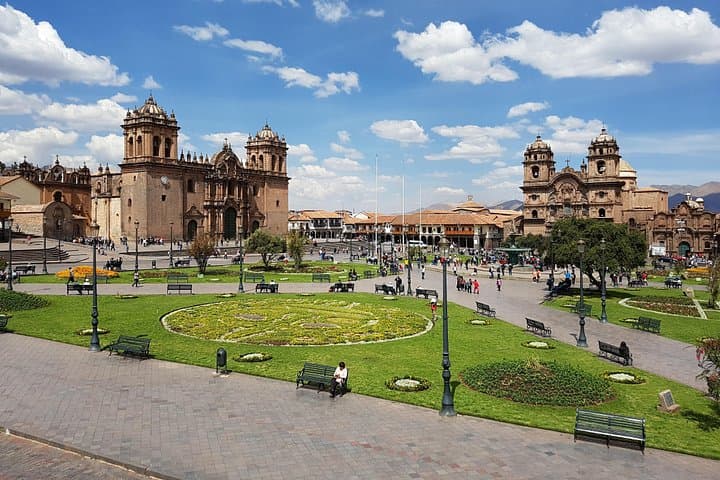

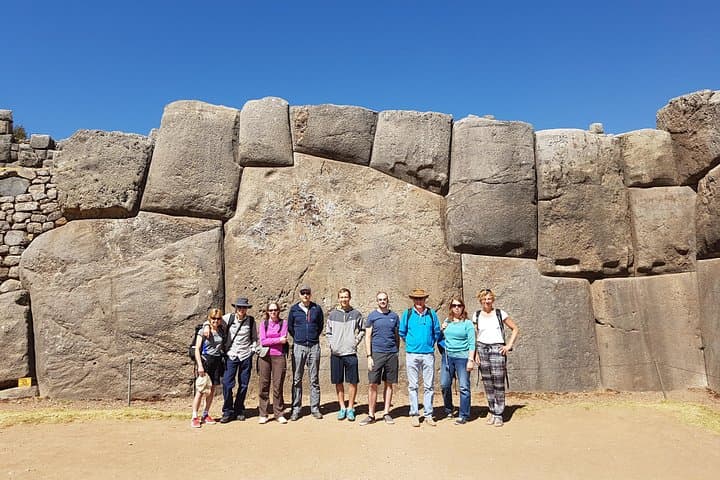

The bus eases out of Lima’s coastal fog and the Andes begin to rise, first as green foothills then as sharp, wind-sculpted ridges. On day two you arrive in Cusco (≈3,400 m), where cobbled streets press against Spanish baroque façades built atop precise Inca stonework; the city’s stones seem to hold both the weight of empire and the patience of glaciers.
The bus eases out of Lima’s coastal fog and the Andes begin to rise, first as green foothills then as sharp, wind-sculpted ridges. On day two you arrive in Cusco (≈3,400 m), where cobbled streets press against Spanish baroque façades built atop precise Inca stonework; the city’s stones seem to hold both the weight of empire and the patience of glaciers.
This 10-day circuit threads through key southern Peruvian landscapes: colonial Lima, highland Cusco, the irrigated terraces of the Sacred Valley, the engineered mystery of Machu Picchu (≈2,430 m), the high plain of Puno on Lake Titicaca (≈3,827 m), and the dramatic drop of Colca Canyon where the condor rides morning thermals.
Geology here is blunt: volcanic tuffs near Arequipa, folded Andes along the Ruta del Sol, and river-cut valleys that force human ingenuity into terraces and irrigation. Culture is equally tangible—Andean textile workshops, Uros reed islands and homestays on Amantani, and peñas where charango and pipes mark the evening.
Practical guidance: travel slowly to acclimatize—schedule easy activity the first 48 hours in Cusco and carry altitude medication if you’re susceptible. Expect dry, sunny days and cold nights above 3,000 m; layers and sun protection are essential. Comfortable walking shoes handle cobbles and farm trails; keep a daypack with water, snacks and a rain shell. Timed train segments to Machu Picchu and reserved entrance slots mean planning matters—book early for peak season (May–September). With steady pacing and basic preparation, this itinerary delivers a concentrated, high-altitude survey of southern Perú’s landscapes and living traditions.