THE ADVENTURE COLLECTIVE® · Independent discovery and booking for outdoor travel

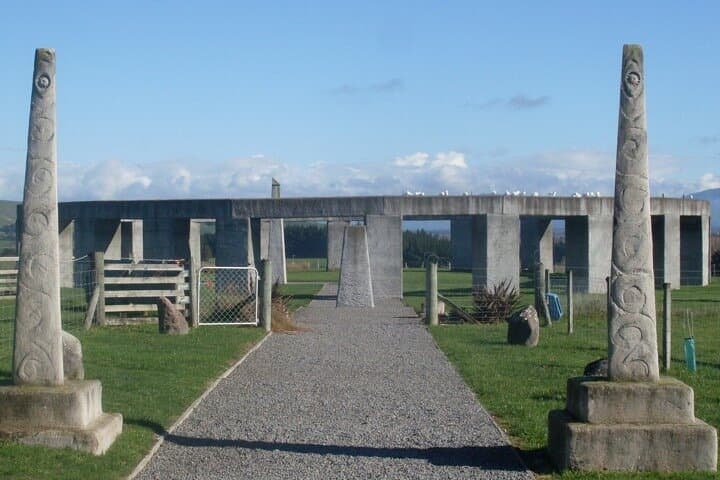
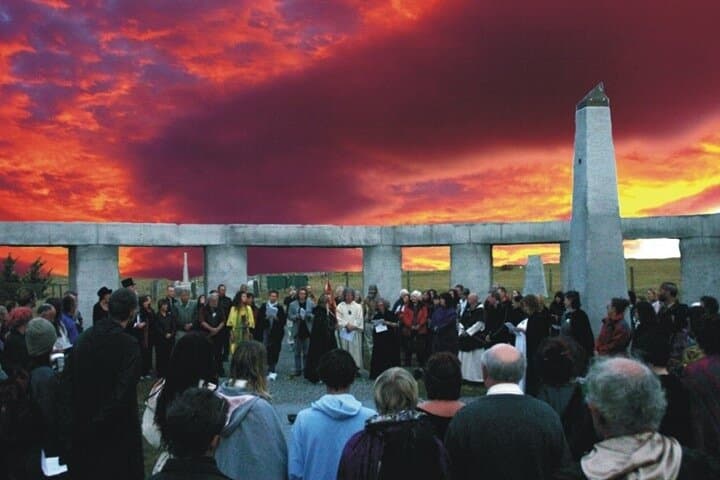
Celebrate the Autumn Equinox at Stonehenge Aotearoa in the Wairarapa—an hourlong outdoor event where a modern stone circle aligns with the setting sun. Expect stories, sky interpretation, and a short, accessible walk in open grassland.
Celebrate the Autumn Equinox at Stonehenge Aotearoa in the Wairarapa—an hourlong outdoor event where a modern stone circle aligns with the setting sun. Expect stories, sky interpretation, and a short, accessible walk in open grassland.
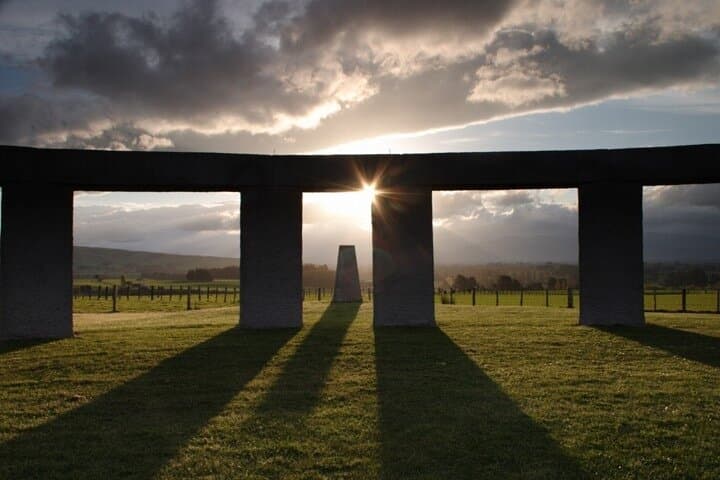
You arrive as the light changes—the low western sun sliding behind rolling pastoral hills while the Circle of Stones turns its face toward the horizon.
Verified experiences and guided adventures in the surrounding area.
Operated by Stonehenge Aotearo · Carterton, Wellington
You arrive as the light changes—the low western sun sliding behind rolling pastoral hills while the Circle of Stones turns its face toward the horizon.
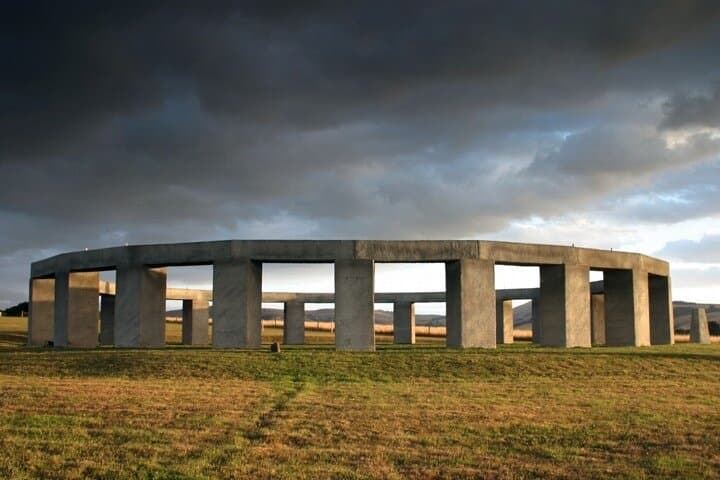
Stonehenge Aotearoa sits on a grassy rise in the Wairarapa, a modern astronomical circle built to map southern skies. As a storyteller outlines Equinox rites and sky lore, the stones become instruments: markers, sightlines and a stage for a precisely timed sunset alignment with the Equinox Heel Stone, weather permitting.
The site is not ancient but it borrows ancient practice—recasting megalithic astronomy for southern latitudes. The geology around the Wairarapa is a mix of low greywacke ranges and alluvial plains; under clear skies you read the landscape by shadow and slope. Local farming communities and Maori seasonal knowledge color the evening; expect references to traditional timekeeping and seasonal cycles rather than archaeological claims.
Practically, this is an accessible, one-hour outdoor event best viewed from standing ground. The circle is unlit to preserve dark-sky viewing, so arrive before sunset to find your footing. Dress for wind and cooling temperatures, carry a torch for the walk back, and keep cameras ready—alignments last minutes.
If clouds hide the sun the storytelling and star talk still make the evening worthwhile; on clear nights the setting sun will feel deliberate, dropping into the Heel Stone like a switch.
Plan for tight parking, mixed grass terrain, and a calm winter-layered jacket; the experience is compact, sensory and exacting—a simple astronomical moment held in the open air.
easy.
1 hour.
Suitable for people of most fitness levels; involves standing on uneven grass for up to 30–45 minutes
Most areas are accessible in fine weather, though grassy surfaces and slight slopes may limit access to the exact center of the circle.
If clouds block the sunset the event may shift focus to storytelling and astronomy talk; check cancellation policy for refunds in poor weather.
Yes—photography is permitted; a tripod and remote shutter help with low-light exposures during the brief alignment.
There is limited on-site parking; arrive at least 20 minutes before sunset to secure a spot and settle in.
Stonehenge Aotearoa is a modern astronomical circle built by New Zealand astronomers to demonstrate celestial mechanics for southern skies and opened in the early 21st century.
The site promotes dark-sky appreciation—minimise light use, stay on paths to protect grassland, and follow any posted guidelines.
Stonehenge Aotearo operates guided outdoor trips and adventures with an emphasis on safety, stewardship, and memorable experiences.
You arrive as the light changes—the low western sun sliding behind rolling pastoral hills while the Circle of Stones turns its face toward the horizon.
You arrive as the light changes—the low western sun sliding behind rolling pastoral hills while the Circle of Stones turns its face toward the horizon.
Stonehenge Aotearoa sits on a grassy rise in the Wairarapa, a modern astronomical circle built to map southern skies. As a storyteller outlines Equinox rites and sky lore, the stones become instruments: markers, sightlines and a stage for a precisely timed sunset alignment with the Equinox Heel Stone, weather permitting.
The site is not ancient but it borrows ancient practice—recasting megalithic astronomy for southern latitudes. The geology around the Wairarapa is a mix of low greywacke ranges and alluvial plains; under clear skies you read the landscape by shadow and slope. Local farming communities and Maori seasonal knowledge color the evening; expect references to traditional timekeeping and seasonal cycles rather than archaeological claims.
Practically, this is an accessible, one-hour outdoor event best viewed from standing ground. The circle is unlit to preserve dark-sky viewing, so arrive before sunset to find your footing. Dress for wind and cooling temperatures, carry a torch for the walk back, and keep cameras ready—alignments last minutes.
If clouds hide the sun the storytelling and star talk still make the evening worthwhile; on clear nights the setting sun will feel deliberate, dropping into the Heel Stone like a switch.
Plan for tight parking, mixed grass terrain, and a calm winter-layered jacket; the experience is compact, sensory and exacting—a simple astronomical moment held in the open air.