THE ADVENTURE COLLECTIVE® · Independent discovery and booking for outdoor travel

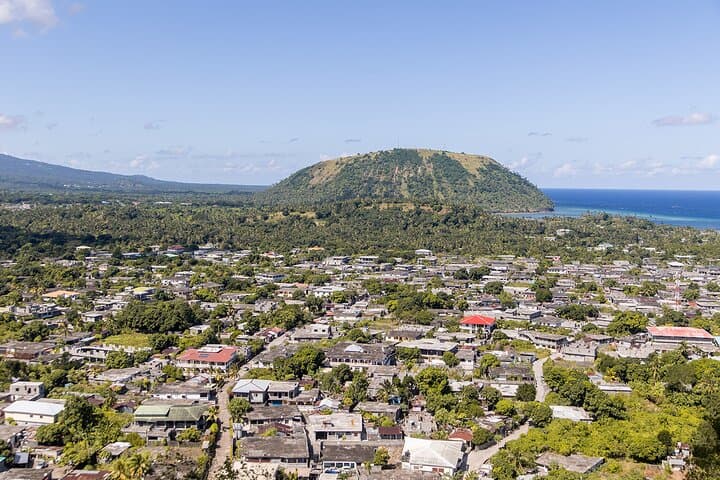
Drive south from Moroni into a landscape of lava, baobabs and seaside villages. This private full‑day circuit links Singani’s lava flow, Foumbouni’s medina, Chindini’s fishing harbour and Iconi’s historic cone—an accessible blend of geology, culture and coastal scenery.
Drive south from Moroni into a landscape of lava, baobabs and seaside villages. This private full‑day circuit links Singani’s lava flow, Foumbouni’s medina, Chindini’s fishing harbour and Iconi’s historic cone—an accessible blend of geology, culture and coastal scenery.
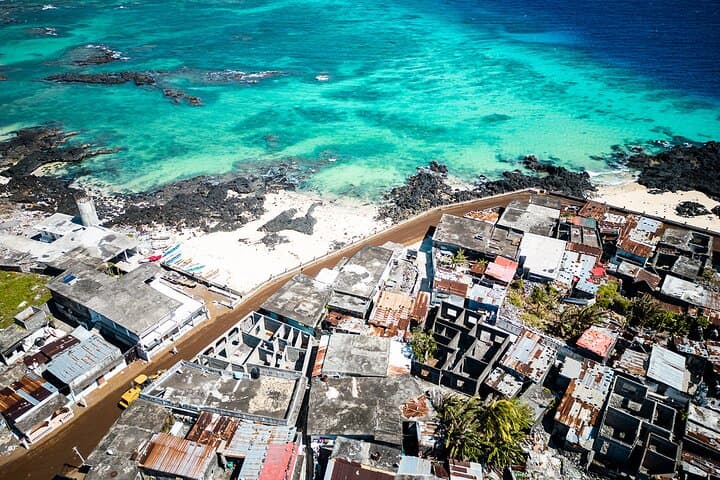
A morning drive peels away Moroni’s bustle and opens onto a landscape shaped by fire and sea. Lava fields from past Karthala eruptions still cut across the southern flank of Grande Comore, a dark scar that casts a raw, geological drama against the blue of the Indian Ocean. The tour threads villages and coast, where fishing skiffs bob like punctuation marks and baobabs punctuate the roadside.
Verified experiences and guided adventures in the surrounding area.
Operated by Adore Comores · Moroni, Grande Comore
A morning drive peels away Moroni’s bustle and opens onto a landscape shaped by fire and sea. Lava fields from past Karthala eruptions still cut across the southern flank of Grande Comore, a dark scar that casts a raw, geological drama against the blue of the Indian Ocean. The tour threads villages and coast, where fishing skiffs bob like punctuation marks and baobabs punctuate the roadside.
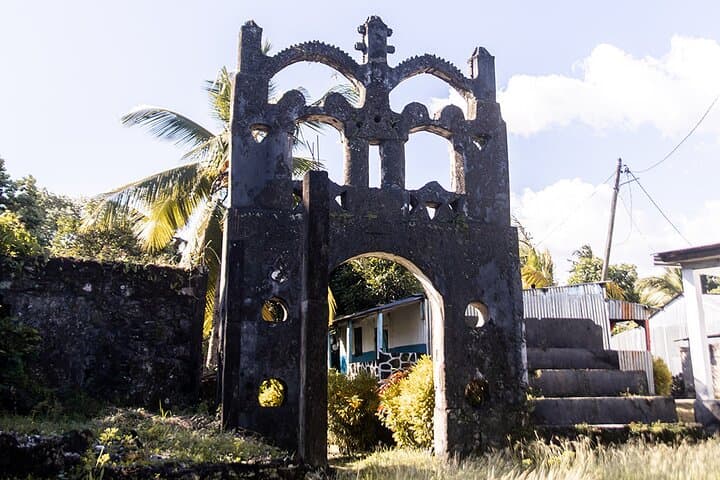
History sits in the stones: Iconi and Foumbouni were centres of sultanates and maritime trade, their coral-and-lava palaces and narrow alleys keeping stories of resistance and sea-borne exchange. Geology here is immediate—the 1977 lava flow at Singani remade soils and settlement patterns, and the volcanic cone of Karthala is a constant, brooding presence on the horizon.
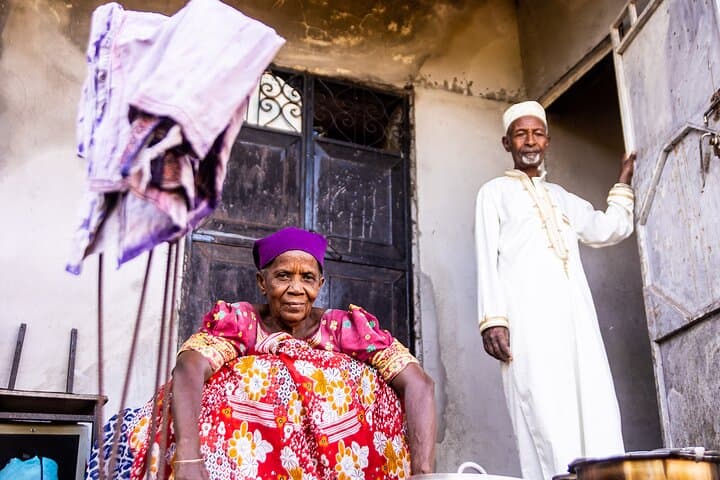
Culture is lived on the streets: market calls, fishermen hauling nets, elders debating under mangrove shade. Nature actively shapes daily life—currents push boats out to Mohéli’s reefs and returning skippers set the rhythm for Chindini’s shore.
Practical guidance: expect about 8 hours of travel with multiple short walks and one short climb in Iconi (not recommended for infants or those with back/heart issues). Wear sturdy walking shoes, sun protection, and bring 1–2 liters of water. A light rain layer helps during the wet season. Guides speak French and often English; transportation is in an air‑conditioned vehicle but terrain can be bumpy.
Timing a visit for the dry months (May–October) reduces rain interruptions and improves visibility for coastal views and birdwatching, while mornings deliver cooler temperatures and better light for photos.
moderate.
8 hours.
Participants should have a moderate level of fitness for short walks, a brief climb in Iconi and uneven volcanic terrain.
Yes — the tour typically departs from hotels in Moroni; confirm your pickup point when booking.
Lunch is included; guides usually arrange a local meal showcasing Comorian flavours.
The Iconi climb is short but uneven; it’s not technical, but not recommended for those with spinal or serious cardiac conditions.
Guides commonly speak French and often conversational English; request a specific language when you book if needed.
Iconi and Foumbouni were political centres of local sultanates; Iconi’s coral-and-lava buildings reflect a long local tradition of volcanic-stone architecture.
Coastal reefs and mangroves are fragile—avoid touching coral, limit single-use plastics, and respect local fishing practices to support sustainable livelihoods.
Adore Comores operates guided outdoor trips and adventures with an emphasis on safety, stewardship, and memorable experiences.
A morning drive peels away Moroni’s bustle and opens onto a landscape shaped by fire and sea. Lava fields from past Karthala eruptions still cut across the southern flank of Grande Comore, a dark scar that casts a raw, geological drama against the blue of the Indian Ocean. The tour threads villages and coast, where fishing skiffs bob like punctuation marks and baobabs punctuate the roadside.
A morning drive peels away Moroni’s bustle and opens onto a landscape shaped by fire and sea. Lava fields from past Karthala eruptions still cut across the southern flank of Grande Comore, a dark scar that casts a raw, geological drama against the blue of the Indian Ocean. The tour threads villages and coast, where fishing skiffs bob like punctuation marks and baobabs punctuate the roadside.
History sits in the stones: Iconi and Foumbouni were centres of sultanates and maritime trade, their coral-and-lava palaces and narrow alleys keeping stories of resistance and sea-borne exchange. Geology here is immediate—the 1977 lava flow at Singani remade soils and settlement patterns, and the volcanic cone of Karthala is a constant, brooding presence on the horizon.
Culture is lived on the streets: market calls, fishermen hauling nets, elders debating under mangrove shade. Nature actively shapes daily life—currents push boats out to Mohéli’s reefs and returning skippers set the rhythm for Chindini’s shore.
Practical guidance: expect about 8 hours of travel with multiple short walks and one short climb in Iconi (not recommended for infants or those with back/heart issues). Wear sturdy walking shoes, sun protection, and bring 1–2 liters of water. A light rain layer helps during the wet season. Guides speak French and often English; transportation is in an air‑conditioned vehicle but terrain can be bumpy.
Timing a visit for the dry months (May–October) reduces rain interruptions and improves visibility for coastal views and birdwatching, while mornings deliver cooler temperatures and better light for photos.