THE ADVENTURE COLLECTIVE® · Independent discovery and booking for outdoor travel

Spend a full day exploring Sri Lanka’s southern coastal temples: the ancient rock monastery of Sithulpawwa, the cliffside views at Kirinda, and the multi‑faith rituals at Ruhunu Kataragama. This guided tour combines history, shoreline geology and a lakeside picnic.
Spend a full day exploring Sri Lanka’s southern coastal temples: the ancient rock monastery of Sithulpawwa, the cliffside views at Kirinda, and the multi‑faith rituals at Ruhunu Kataragama. This guided tour combines history, shoreline geology and a lakeside picnic.
The morning light off Hambantota Harbour slants across an open road as an air‑conditioned van eases toward low, rocky headlands. Sea wind dares you to keep your camera in your pocket; the coastline opens in sudden sweeps, and the first stop—Sithulpawwa—sits high on a boulder-strewn ridge like a quiet, watchful guardian.
Verified experiences and guided adventures in the surrounding area.
Operated by The Mice Team · Hambantota, Southern Province
The morning light off Hambantota Harbour slants across an open road as an air‑conditioned van eases toward low, rocky headlands. Sea wind dares you to keep your camera in your pocket; the coastline opens in sudden sweeps, and the first stop—Sithulpawwa—sits high on a boulder-strewn ridge like a quiet, watchful guardian.
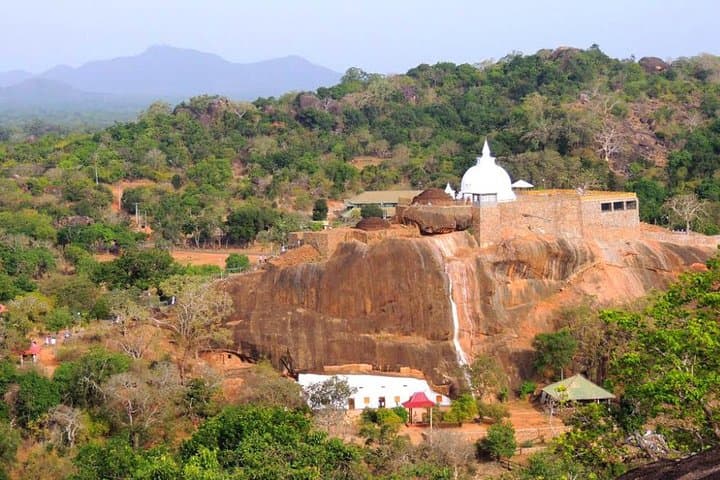
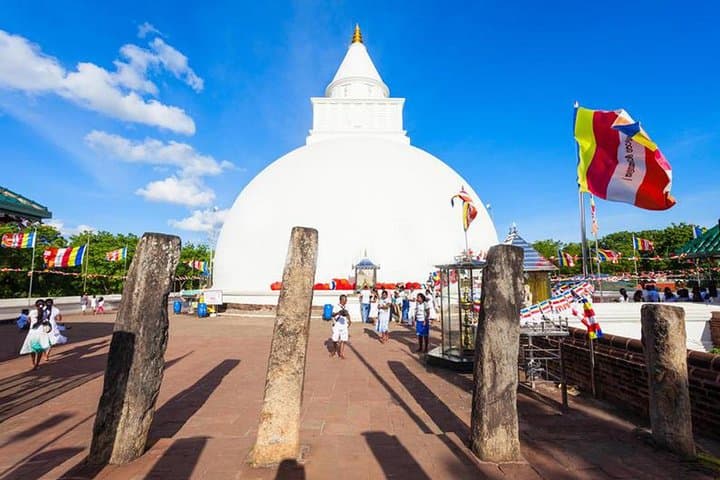
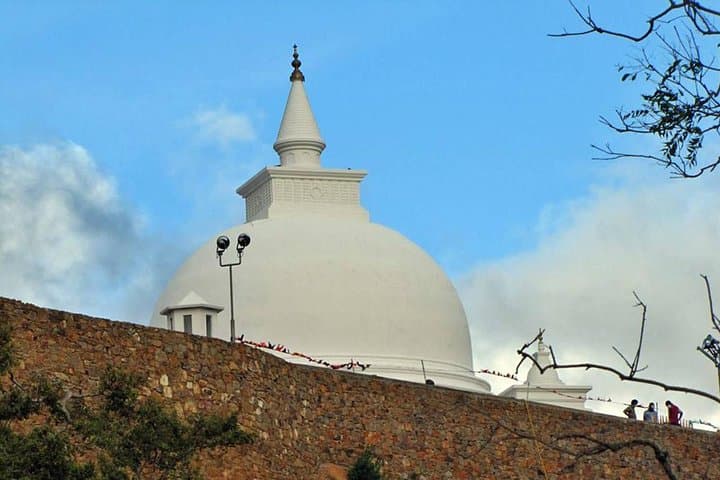
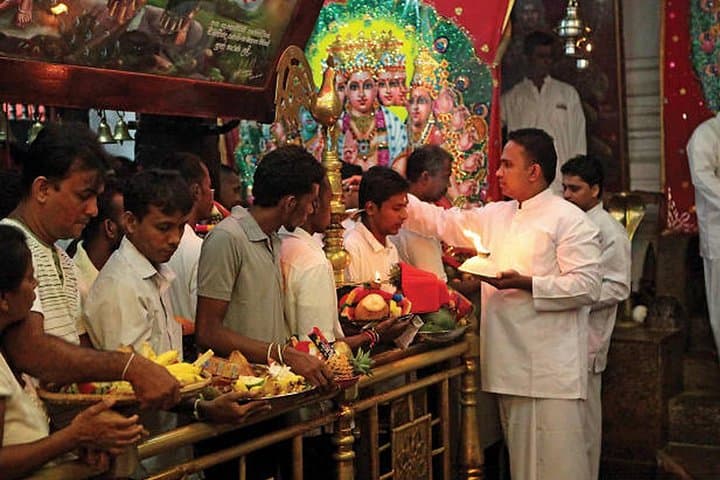
Sithulpawwa’s painted caves and ruined image houses speak to more than two millennia of Buddhist practice; scholars date parts of the monastery back some 2,200 years. Down the coast, Kirinda Perched Temple crowns a rocky summit, giving broad views of sand dunes, a fishing harbor, and the Indian Ocean that carved this shoreline from hard gneiss and granite. Later in the day, Ruhunu Kataragama Dewalaya brings a different pulse: a living, multi‑faith shrine where Buddhist, Hindu, Muslim and Vedda traditions intersect and the pooja ceremony unfolds with incense, offerings and rhythmic devotion.
Expect a steady mix of short walks, stepped climbs and flat temple courtyards rather than long trail miles. The tour includes entrance fees, refreshments and a lakeside picnic lunch—an opportunity to rest in shade and watch waterbirds circle.
Practical guidance: dress conservatively (shoulders and knees covered) and bring sun protection and comfortable, non‑slip shoes for temple rock and steps. Carry water and a small first‑aid kit; knees and low‑back issues can make steps uncomfortable. Photography is usually allowed at outdoor shrines but follow local customs during rituals. The full itinerary is a long day—plan for early pickup, modest exertion and an immersion in both geological coastline and layered religious history.
easy.
12 hours.
Suitable for travelers with basic mobility and the ability to walk short distances and climb steps; not strenuous but involves uneven terrain and standing during rituals.
Yes—visitors can observe and are often welcome to participate respectfully; follow the lead of worshippers and the tour assistant for appropriate behavior.
Most sites include uneven steps and rocky approaches; accessibility is limited—contact the operator to discuss specific mobility needs.
Yes for outdoor views and architecture; during active rituals photograph sparingly and always ask before photographing devotees.
Language options vary by operator; confirm at booking—many local guides speak English and Sinhala.
Sithulpawwa has been a center of Buddhist learning for over two millennia; Kataragama is a rare Sri Lankan shrine venerated across Buddhist, Hindu, Muslim and Vedda communities.
Visitors should avoid leaving offerings in plastic, stick to marked paths to protect archaeological features, and follow local guidance to minimize disturbance to wildlife and sacred sites.
The Mice Team operates guided outdoor trips and adventures with an emphasis on safety, stewardship, and memorable experiences.
The morning light off Hambantota Harbour slants across an open road as an air‑conditioned van eases toward low, rocky headlands. Sea wind dares you to keep your camera in your pocket; the coastline opens in sudden sweeps, and the first stop—Sithulpawwa—sits high on a boulder-strewn ridge like a quiet, watchful guardian.
The morning light off Hambantota Harbour slants across an open road as an air‑conditioned van eases toward low, rocky headlands. Sea wind dares you to keep your camera in your pocket; the coastline opens in sudden sweeps, and the first stop—Sithulpawwa—sits high on a boulder-strewn ridge like a quiet, watchful guardian.
Sithulpawwa’s painted caves and ruined image houses speak to more than two millennia of Buddhist practice; scholars date parts of the monastery back some 2,200 years. Down the coast, Kirinda Perched Temple crowns a rocky summit, giving broad views of sand dunes, a fishing harbor, and the Indian Ocean that carved this shoreline from hard gneiss and granite. Later in the day, Ruhunu Kataragama Dewalaya brings a different pulse: a living, multi‑faith shrine where Buddhist, Hindu, Muslim and Vedda traditions intersect and the pooja ceremony unfolds with incense, offerings and rhythmic devotion.
Expect a steady mix of short walks, stepped climbs and flat temple courtyards rather than long trail miles. The tour includes entrance fees, refreshments and a lakeside picnic lunch—an opportunity to rest in shade and watch waterbirds circle.
Practical guidance: dress conservatively (shoulders and knees covered) and bring sun protection and comfortable, non‑slip shoes for temple rock and steps. Carry water and a small first‑aid kit; knees and low‑back issues can make steps uncomfortable. Photography is usually allowed at outdoor shrines but follow local customs during rituals. The full itinerary is a long day—plan for early pickup, modest exertion and an immersion in both geological coastline and layered religious history.