THE ADVENTURE COLLECTIVE® · Independent discovery and booking for outdoor travel

Combine a slow boat safari through the mangrove islands of the Madu River with a guided walk of Galle’s Dutch Fort and a visit to the coastal Handunugoda tea estate. This full-day tour pairs wildlife and colonial history with hands-on local culture.
Combine a slow boat safari through the mangrove islands of the Madu River with a guided walk of Galle’s Dutch Fort and a visit to the coastal Handunugoda tea estate. This full-day tour pairs wildlife and colonial history with hands-on local culture.
A morning breeze off the Indian Ocean lifts salt into the air as the driver pulls away from Ahungalla's quiet beachfront, and the day begins between mangrove shadows and colonial ramparts. The tour folds together two distinct moods: the slow, reed-scraped water of the Madu River where a two-hour boat slips between root-tangled mangroves, and the stone-still history of Galle’s fortified town where lighthouse and ramparts meet the surf.
Verified experiences and guided adventures in the surrounding area.
Operated by Lakpura LLC · Ahungalla, Southern Province
A morning breeze off the Indian Ocean lifts salt into the air as the driver pulls away from Ahungalla's quiet beachfront, and the day begins between mangrove shadows and colonial ramparts. The tour folds together two distinct moods: the slow, reed-scraped water of the Madu River where a two-hour boat slips between root-tangled mangroves, and the stone-still history of Galle’s fortified town where lighthouse and ramparts meet the surf.
The Madu delta is geologically recent—sediment from coastal rivers building islands and sheltered lagoons—and its mangroves have long supported cinnamon cutting and small island temples. Galle Dutch Fort, rebuilt by the Dutch in the 17th century atop earlier Portuguese works, shows layered colonial trade history in its cobbled lanes and ramparts facing the ocean. Nearby, Handunugoda’s coastal tea estate offers an unusual coastal terroir: small-batch orthodox teas produced where the forest brushes almost to the sea.
Expect slow boat drifts past kingfishers and monitor lizards, short walks on cobblestones, and stops at a sea turtle hatchery and traditional stilt fishermen sites. Practical planning: dress for sun and humidity—light, quick-dry layers, a hat and sunscreen—and bring insect repellent for the river islands. Footwear should be comfortable for uneven stone and boat decks. Timing matters: mornings are cooler for the river, late afternoon suits the fort’s warm light. The tour includes an English-speaking chauffeur-guide, bottled water, and hotel pickup from Ahungalla, making it a full but accessible day of natural and cultural coastline exploration.
moderate.
10 hours.
Suitable for most travelers with moderate mobility; involves short walks, boat transfers, and standing on uneven surfaces.
The itinerary includes a roughly 2-hour boat safari through the mangrove channels and around the larger river islands.
Yes—transport to and from hotels in Ahungalla is included using an air-conditioned vehicle and an English-speaking chauffeur-guide.
This tour typically covers guided stops but does not always include separate museum or special exhibition entrance fees—bring cash if you plan to enter paid attractions inside the fort.
The tour is family-friendly but not recommended for pregnant travelers or those with significant back or spinal issues due to boat movement and uneven walking surfaces.
Galle’s fort was fortified by the Dutch in the 17th century on earlier Portuguese foundations; the coastline’s cinnamon islands supported spice trade networks for centuries.
Madu River mangroves are ecologically sensitive—avoid littering and use reef-safe sunscreen; the nearby turtle hatchery supports rehabilitation and public education to protect nesting populations.
Lakpura LLC operates guided outdoor trips and adventures with an emphasis on safety, stewardship, and memorable experiences.
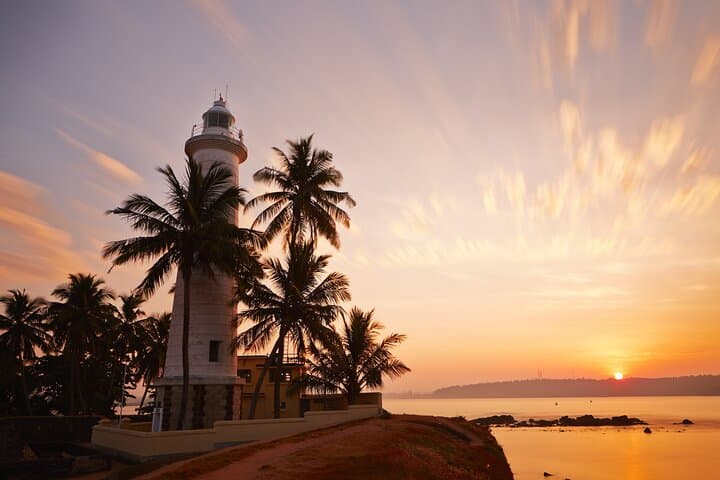
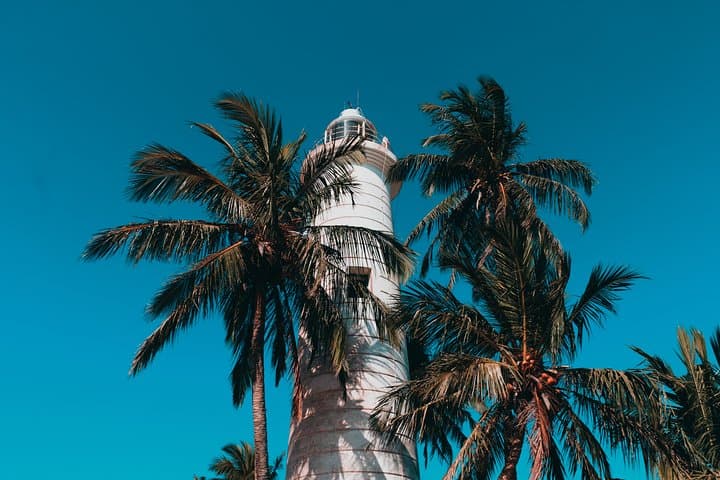
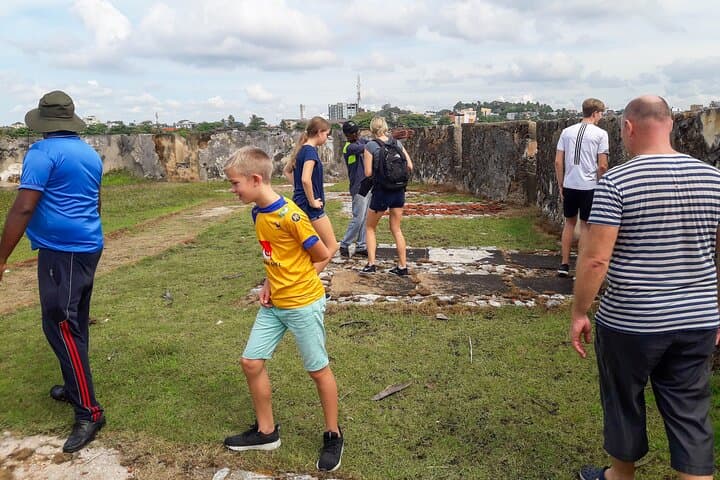
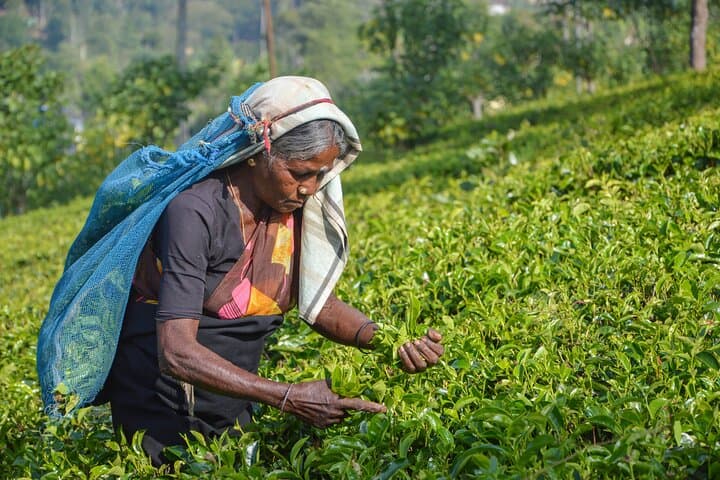
A morning breeze off the Indian Ocean lifts salt into the air as the driver pulls away from Ahungalla's quiet beachfront, and the day begins between mangrove shadows and colonial ramparts. The tour folds together two distinct moods: the slow, reed-scraped water of the Madu River where a two-hour boat slips between root-tangled mangroves, and the stone-still history of Galle’s fortified town where lighthouse and ramparts meet the surf.
A morning breeze off the Indian Ocean lifts salt into the air as the driver pulls away from Ahungalla's quiet beachfront, and the day begins between mangrove shadows and colonial ramparts. The tour folds together two distinct moods: the slow, reed-scraped water of the Madu River where a two-hour boat slips between root-tangled mangroves, and the stone-still history of Galle’s fortified town where lighthouse and ramparts meet the surf.
The Madu delta is geologically recent—sediment from coastal rivers building islands and sheltered lagoons—and its mangroves have long supported cinnamon cutting and small island temples. Galle Dutch Fort, rebuilt by the Dutch in the 17th century atop earlier Portuguese works, shows layered colonial trade history in its cobbled lanes and ramparts facing the ocean. Nearby, Handunugoda’s coastal tea estate offers an unusual coastal terroir: small-batch orthodox teas produced where the forest brushes almost to the sea.
Expect slow boat drifts past kingfishers and monitor lizards, short walks on cobblestones, and stops at a sea turtle hatchery and traditional stilt fishermen sites. Practical planning: dress for sun and humidity—light, quick-dry layers, a hat and sunscreen—and bring insect repellent for the river islands. Footwear should be comfortable for uneven stone and boat decks. Timing matters: mornings are cooler for the river, late afternoon suits the fort’s warm light. The tour includes an English-speaking chauffeur-guide, bottled water, and hotel pickup from Ahungalla, making it a full but accessible day of natural and cultural coastline exploration.