THE ADVENTURE COLLECTIVE® · Independent discovery and booking for outdoor travel

Thread mangrove channels, meet conservation-focused hatchery teams, and walk the ramparts of a UNESCO-listed fort on this private half‑day along Sri Lanka’s southern coast. Expect calm boat rides, short walks, and wildlife viewing with practical local insight.
Thread mangrove channels, meet conservation-focused hatchery teams, and walk the ramparts of a UNESCO-listed fort on this private half‑day along Sri Lanka’s southern coast. Expect calm boat rides, short walks, and wildlife viewing with practical local insight.
You step off the air‑conditioned vehicle with salt in the air and the sound of water moving through mangrove roots. The morning light slips through narrow channels on the Madu River as a narrow motorboat threads between tangled prop roots and small, inhabited islets; cinnamon dryers and simple wooden homes peek from the green.
Verified experiences and guided adventures in the surrounding area.
Operated by Travelhikka tours Sri Lanka · Hikkaduwa, Southern Province
You step off the air‑conditioned vehicle with salt in the air and the sound of water moving through mangrove roots. The morning light slips through narrow channels on the Madu River as a narrow motorboat threads between tangled prop roots and small, inhabited islets; cinnamon dryers and simple wooden homes peek from the green.
This route stitches together the southern coast’s natural and cultural history: the Madu River’s mangrove system (a living flood buffer) feeds rich wetland life, Kosgoda’s turtle hatchery channels community conservation practices born in the late 20th century, Hikkaduwa’s coral sanctuary shows recent seaside tourism evolution, and Galle’s Dutch Fort preserves layers of Portuguese and Dutch colonial architecture from the 16th–17th centuries.
Expect a mix of calm boat passages, short shore-side walks, and a guided stop at a hatchery where baby turtles are cared for and released when conditions allow. Terrain is flat but humid: mangrove boardwalks can be muddy, beaches sandy, and cobbled streets inside the fort demand steady footing.
Practical guidance: travel light with sun protection and bottled water (provided on this tour), wear water-friendly shoes for boat landings, and carry a compact camera or binoculars for birdlife and reef fish. Time your visit for early morning or late afternoon to avoid the strongest sun and catch wildlife activity. Respect local conservation rules at hatcheries—no flash photography and follow staff guidance during releases. The route is private and flexible, ideal for travelers who want a concentrated snapshot of Sri Lanka’s southern coast without marathon trekking.
easy.
5–8 hours.
Suitable for most fitness levels; you should be comfortable getting on/off a small boat and walking short, uneven paths.
The private tour runs approximately 5–8 hours; pickup and exact schedule are arranged at booking—early morning departures are common to maximize wildlife viewing.
Yes, hotel pickup and drop‑off are included and provided by air‑conditioned private transport within the local pickup area.
Releases depend on hatchling readiness and local conditions; hatchery visits are included but actual release events cannot be guaranteed on every date.
Yes—infants can ride in strollers or on laps and the tour is rated easy, though parents should supervise near water and during boat transfers.
Galle’s fort began as a Portuguese trading post in 1588 and was extensively rebuilt by the Dutch in the 17th century; the fort is now a UNESCO World Heritage Site for its blend of European and South Asian architecture.
Mangrove forests here act as natural coastal defense and support diverse species; local hatcheries work with fishermen to protect turtle eggs, encouraging community‑based conservation while offsetting egg poaching.
Travelhikka tours Sri Lanka operates guided outdoor trips and adventures with an emphasis on safety, stewardship, and memorable experiences.

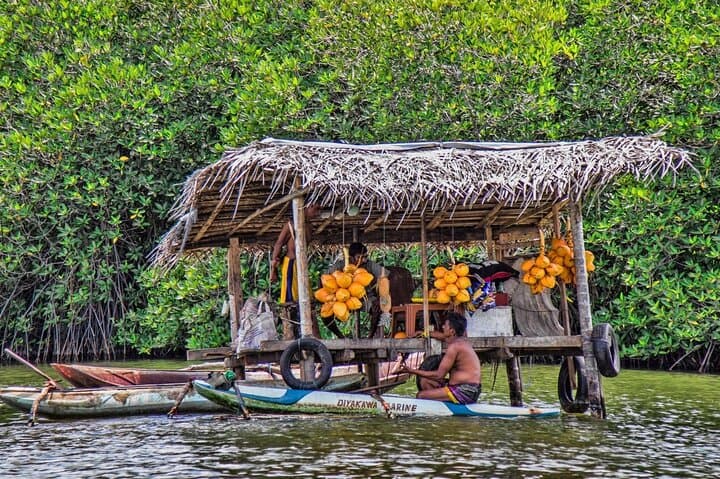

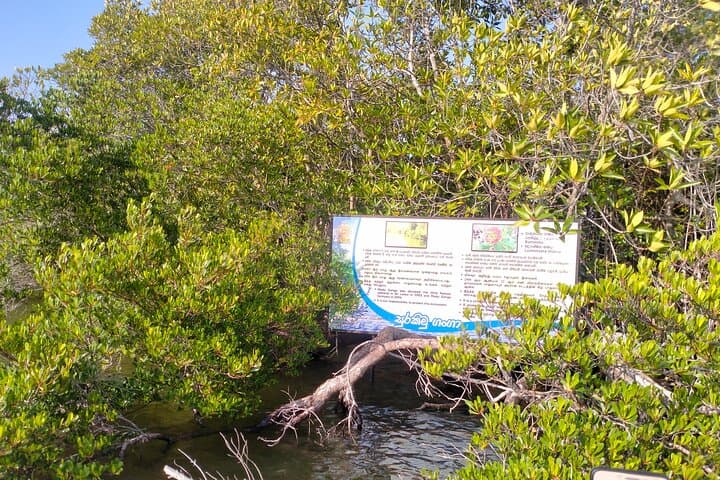
You step off the air‑conditioned vehicle with salt in the air and the sound of water moving through mangrove roots. The morning light slips through narrow channels on the Madu River as a narrow motorboat threads between tangled prop roots and small, inhabited islets; cinnamon dryers and simple wooden homes peek from the green.
You step off the air‑conditioned vehicle with salt in the air and the sound of water moving through mangrove roots. The morning light slips through narrow channels on the Madu River as a narrow motorboat threads between tangled prop roots and small, inhabited islets; cinnamon dryers and simple wooden homes peek from the green.
This route stitches together the southern coast’s natural and cultural history: the Madu River’s mangrove system (a living flood buffer) feeds rich wetland life, Kosgoda’s turtle hatchery channels community conservation practices born in the late 20th century, Hikkaduwa’s coral sanctuary shows recent seaside tourism evolution, and Galle’s Dutch Fort preserves layers of Portuguese and Dutch colonial architecture from the 16th–17th centuries.
Expect a mix of calm boat passages, short shore-side walks, and a guided stop at a hatchery where baby turtles are cared for and released when conditions allow. Terrain is flat but humid: mangrove boardwalks can be muddy, beaches sandy, and cobbled streets inside the fort demand steady footing.
Practical guidance: travel light with sun protection and bottled water (provided on this tour), wear water-friendly shoes for boat landings, and carry a compact camera or binoculars for birdlife and reef fish. Time your visit for early morning or late afternoon to avoid the strongest sun and catch wildlife activity. Respect local conservation rules at hatcheries—no flash photography and follow staff guidance during releases. The route is private and flexible, ideal for travelers who want a concentrated snapshot of Sri Lanka’s southern coast without marathon trekking.