THE ADVENTURE COLLECTIVE® · Independent discovery and booking for outdoor travel

A packed 16-day guided loop from Shanghai to Guilin, Longji and Detian Falls that pairs easy hikes and bamboo rafting with minority-village visits and karst panoramas. Expect cultural markets, cave tours, rice-terrace vistas and river cruises.
A packed 16-day guided loop from Shanghai to Guilin, Longji and Detian Falls that pairs easy hikes and bamboo rafting with minority-village visits and karst panoramas. Expect cultural markets, cave tours, rice-terrace vistas and river cruises.
You step out onto the Bund at dusk and the river pushes the city's lights into motion—glass towers opposite a lane of Ming-era facades—and that tension between old and new threads through this 16-day loop across southeast China.
Verified experiences and guided adventures in the surrounding area.
Operated by CharlieTheTraveler · Shanghai, Shanghai
You step out onto the Bund at dusk and the river pushes the city's lights into motion—glass towers opposite a lane of Ming-era facades—and that tension between old and new threads through this 16-day loop across southeast China.
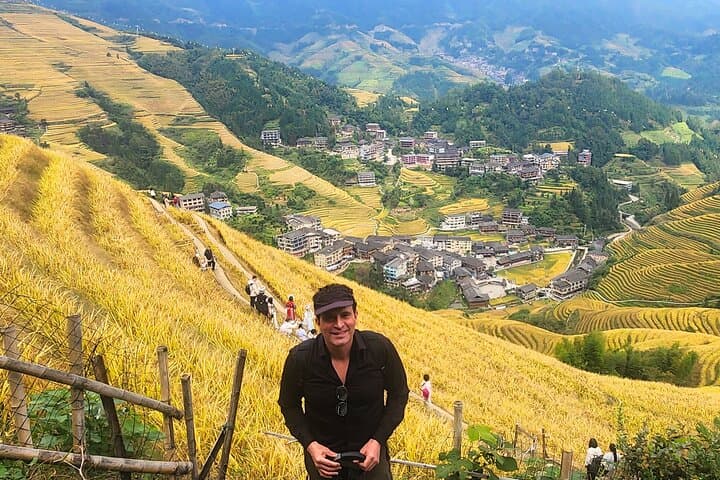
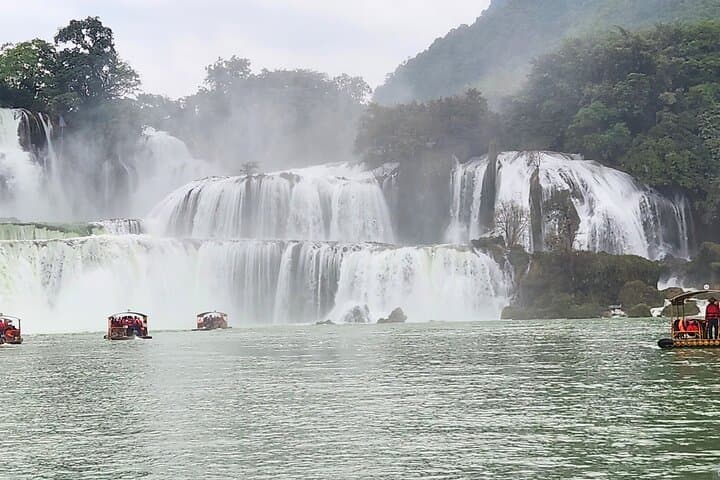
From Shanghai's crowded marketplaces and Huangpu promenades to the slow bamboo rafts at Detian/ Ban Gioc Falls, the route moves between human history and geological spectacle. Karst spires rise like weathered monuments around Guilin and Yangshuo; Longji's rice terraces cut the hills into shelf-like fields tended for centuries by Zhuang and Dong communities. In Guiyang and Zhaoxing you'll encounter stone buildings, drum towers and living minority traditions that date back hundreds of years.
The tour mixes easy, short hikes and viewpoint walks with boat rides, cave visits and cable-car panoramas—no technical climbing, but expect steep stone steps, narrow village lanes and occasional slippery trails after rain. Culture is hands-on: market walks, tea-plantation views, and village guides who explain terrace irrigation and stilt-house construction.
Practical edge: travel light with a durable daypack, layer for humidity and cooler highlands, and carry a compact rain jacket—monsoon pockets arrive suddenly. Start sunrises early for Xianggong and Laozhai viewpoints, and plan rest days after long transfers; the itinerary includes many train and bus legs. Bring local currency for markets, and allow extra time for photography at the karst river bends and the Detian cascades—these are the moments you’ll want to linger.
moderate.
16 days.
Suitable for travelers with moderate fitness: able to walk 3–6 miles a day on uneven steps and stand during guided tours.
Most visitors to China require a visa—check your country's requirements well in advance and carry passport details requested at booking.
Walks are generally short to moderate (steep steps and uneven paths); no technical hiking is required but you should be comfortable on stairs and short ascents.
An English-speaking guide is included, but language ability can vary—local guides in minority villages may use translators.
Breakfasts and lodging days are included as listed; other meals and personal expenses are typically separate—confirm details at booking.
The route threads ancient trade towns and Ming–Qing stone architecture with centuries-old terrace agriculture and distinct Dong and Zhuang cultural traditions.
Karst landscapes and rice terraces are ecologically sensitive—stay on marked paths, avoid feeding wildlife, and support local guides and conservation-minded operators.
CharlieTheTraveler operates guided outdoor trips and adventures with an emphasis on safety, stewardship, and memorable experiences.


You step out onto the Bund at dusk and the river pushes the city's lights into motion—glass towers opposite a lane of Ming-era facades—and that tension between old and new threads through this 16-day loop across southeast China.
You step out onto the Bund at dusk and the river pushes the city's lights into motion—glass towers opposite a lane of Ming-era facades—and that tension between old and new threads through this 16-day loop across southeast China.
From Shanghai's crowded marketplaces and Huangpu promenades to the slow bamboo rafts at Detian/ Ban Gioc Falls, the route moves between human history and geological spectacle. Karst spires rise like weathered monuments around Guilin and Yangshuo; Longji's rice terraces cut the hills into shelf-like fields tended for centuries by Zhuang and Dong communities. In Guiyang and Zhaoxing you'll encounter stone buildings, drum towers and living minority traditions that date back hundreds of years.
The tour mixes easy, short hikes and viewpoint walks with boat rides, cave visits and cable-car panoramas—no technical climbing, but expect steep stone steps, narrow village lanes and occasional slippery trails after rain. Culture is hands-on: market walks, tea-plantation views, and village guides who explain terrace irrigation and stilt-house construction.
Practical edge: travel light with a durable daypack, layer for humidity and cooler highlands, and carry a compact rain jacket—monsoon pockets arrive suddenly. Start sunrises early for Xianggong and Laozhai viewpoints, and plan rest days after long transfers; the itinerary includes many train and bus legs. Bring local currency for markets, and allow extra time for photography at the karst river bends and the Detian cascades—these are the moments you’ll want to linger.