THE ADVENTURE COLLECTIVE® · Independent discovery and booking for outdoor travel

Turn a port-to-city transfer into a focused stop at Stonehenge. This private vehicle option gives you time on Salisbury Plain and a direct drive between Southampton and London with flexible pickup and drop-off.
Turn a port-to-city transfer into a focused stop at Stonehenge. This private vehicle option gives you time on Salisbury Plain and a direct drive between Southampton and London with flexible pickup and drop-off.
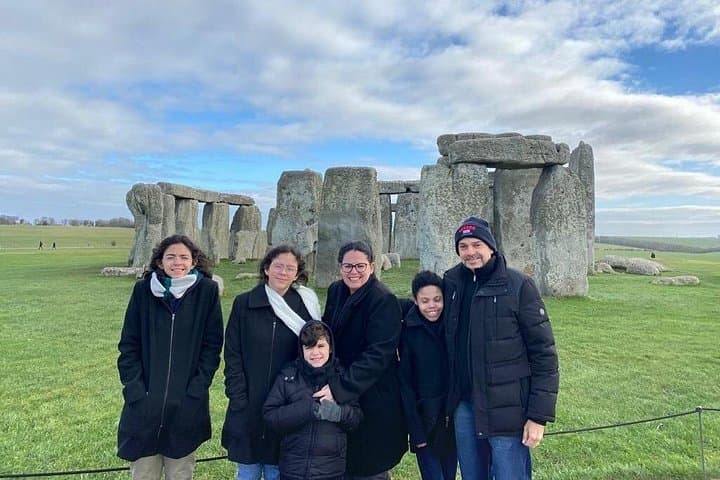
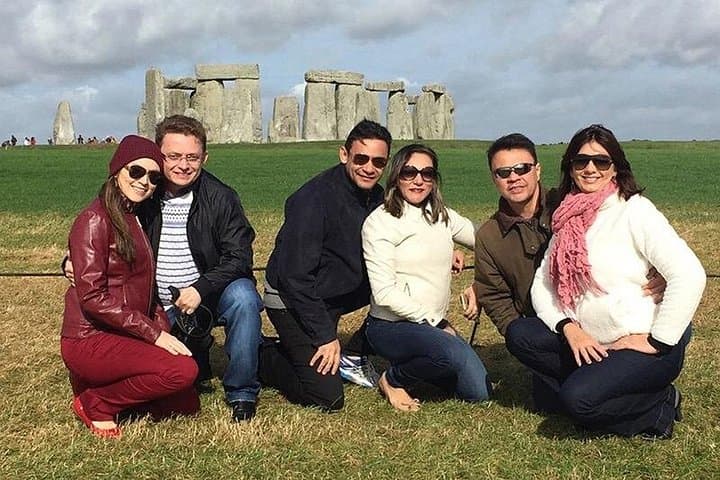
A salt wind from the Solent stills as your vehicle pulls away from Southampton’s port and onto the broad southern carriageways. Within an hour the skyline opens onto the pale sweep of Salisbury Plain: low grasses, chalk underfoot, and the hulking silhouette of Stonehenge drawing nearer. The stop is private—your party, the driver, and a window onto one of Britain’s oldest landscapes.
Verified experiences and guided adventures in the surrounding area.
Operated by VIP Tourism London · Amesbury, Wiltshire
A salt wind from the Solent stills as your vehicle pulls away from Southampton’s port and onto the broad southern carriageways. Within an hour the skyline opens onto the pale sweep of Salisbury Plain: low grasses, chalk underfoot, and the hulking silhouette of Stonehenge drawing nearer. The stop is private—your party, the driver, and a window onto one of Britain’s oldest landscapes.
Stonehenge sits on Salisbury Plain, a chalk plateau formed during the Cretaceous and scoured by glaciers and wind to create a gently rolling, exposed terrain. The stones themselves are Neolithic, placed and re-arranged across millennia; nearby Durrington Walls and the River Avon speak to a lived-in prehistoric landscape. Culturally, the site remains powerful for seasonal gatherings—summer solstice still brings people to watch sunrise align with the stones.
Practically, expect about 30 miles (≈50 km) from Southampton to Stonehenge and roughly 90 miles (≈145 km) onward to central London by road. Allow 60–90 minutes for the visitor centre and a short 1–1.5 km walk (or shuttle) from the centre to the stones. Tickets to enter the stone circle are managed by English Heritage and often require advance booking; transfers typically cover parking and driver time but not admission fees. Wheelchair-accessible vehicles and infant seats are available on request, and the driver can tailor a quick detour—Windsor Castle is a common add-on. For comfort, bring layered clothing and water, and plan your timing around off-peak hours to avoid coach crowds. This transfer turns a logistics hop into a curated pause on England’s storied plain.
easy.
8 hours.
Suitable for travelers of all fitness levels; requires only short walks (1–1.5 km) on relatively flat ground.
No—entrance to Stonehenge is managed by English Heritage and typically requires a separate timed ticket; the transfer commonly includes parking and driver time but not admission.
Pickup is from Southampton Port or a specified location in Southampton; the driver drops you at your London hotel or airport (Heathrow/Gatwick) as arranged during booking.
Yes—Windsor is a common add-on. Request customization when booking and allow extra time since it increases driving and visit duration.
Yes—vehicles can be wheelchair accessible and infant seats are available; indicate special requirements at booking so the operator can prepare accordingly.
Stonehenge was constructed in stages from around 3000–1500 BCE on Salisbury Plain, part of a wider Neolithic ceremonial landscape that includes avenues, barrows, and Durrington Walls.
English Heritage manages visitor access to reduce wear on the stones and surrounding chalk grassland; stick to paths, avoid littering, and respect seasonal closures to protect fragile habitats.
VIP Tourism London operates guided outdoor trips and adventures with an emphasis on safety, stewardship, and memorable experiences.


A salt wind from the Solent stills as your vehicle pulls away from Southampton’s port and onto the broad southern carriageways. Within an hour the skyline opens onto the pale sweep of Salisbury Plain: low grasses, chalk underfoot, and the hulking silhouette of Stonehenge drawing nearer. The stop is private—your party, the driver, and a window onto one of Britain’s oldest landscapes.
A salt wind from the Solent stills as your vehicle pulls away from Southampton’s port and onto the broad southern carriageways. Within an hour the skyline opens onto the pale sweep of Salisbury Plain: low grasses, chalk underfoot, and the hulking silhouette of Stonehenge drawing nearer. The stop is private—your party, the driver, and a window onto one of Britain’s oldest landscapes.
Stonehenge sits on Salisbury Plain, a chalk plateau formed during the Cretaceous and scoured by glaciers and wind to create a gently rolling, exposed terrain. The stones themselves are Neolithic, placed and re-arranged across millennia; nearby Durrington Walls and the River Avon speak to a lived-in prehistoric landscape. Culturally, the site remains powerful for seasonal gatherings—summer solstice still brings people to watch sunrise align with the stones.
Practically, expect about 30 miles (≈50 km) from Southampton to Stonehenge and roughly 90 miles (≈145 km) onward to central London by road. Allow 60–90 minutes for the visitor centre and a short 1–1.5 km walk (or shuttle) from the centre to the stones. Tickets to enter the stone circle are managed by English Heritage and often require advance booking; transfers typically cover parking and driver time but not admission fees. Wheelchair-accessible vehicles and infant seats are available on request, and the driver can tailor a quick detour—Windsor Castle is a common add-on. For comfort, bring layered clothing and water, and plan your timing around off-peak hours to avoid coach crowds. This transfer turns a logistics hop into a curated pause on England’s storied plain.