THE ADVENTURE COLLECTIVE® · Independent discovery and booking for outdoor travel

A private shore transfer from Southampton delivers you to Stonehenge for a focused, 4‑hour visit that mixes prehistoric stones, coastal-to-plain English countryside, and museum context. Ideal for travelers who want a concise, personal experience with a knowledgeable driver.
A private shore transfer from Southampton delivers you to Stonehenge for a focused, 4‑hour visit that mixes prehistoric stones, coastal-to-plain English countryside, and museum context. Ideal for travelers who want a concise, personal experience with a knowledgeable driver.
You step off the ship into Southampton’s harbor air and slide into a private, air‑conditioned vehicle bound for one of Britain’s oldest landscapes. The road eases out of the city and the green of Hampshire and Wiltshire folds around the coach — low hills, pasture, and the distant ridge where Stonehenge waits.
Verified experiences and guided adventures in the surrounding area.
Operated by Solent Private Hire Executive Transfers & Tours · Amesbury, Wiltshire
You step off the ship into Southampton’s harbor air and slide into a private, air‑conditioned vehicle bound for one of Britain’s oldest landscapes. The road eases out of the city and the green of Hampshire and Wiltshire folds around the coach — low hills, pasture, and the distant ridge where Stonehenge waits.
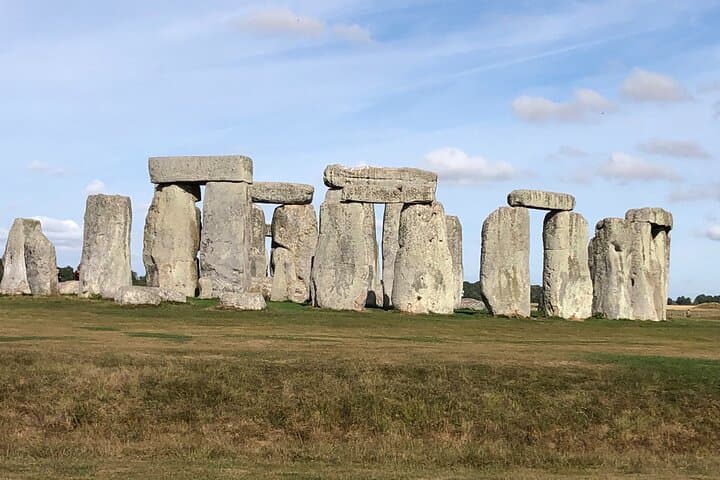
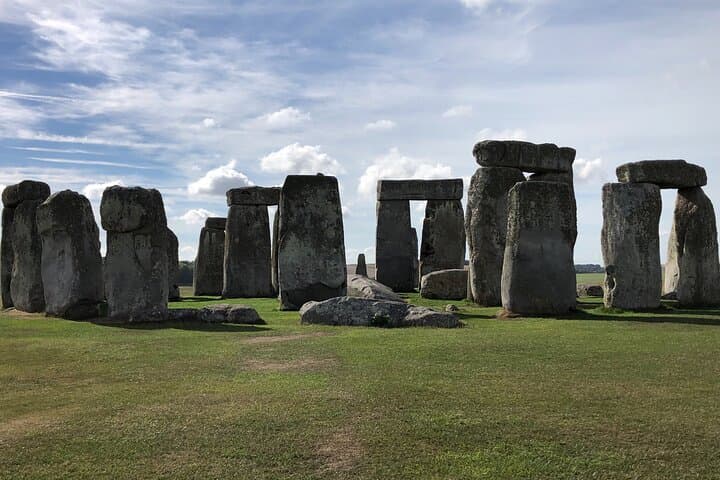
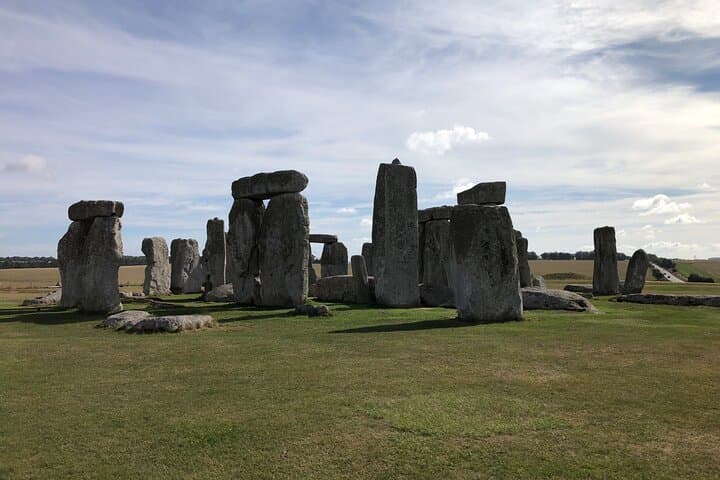
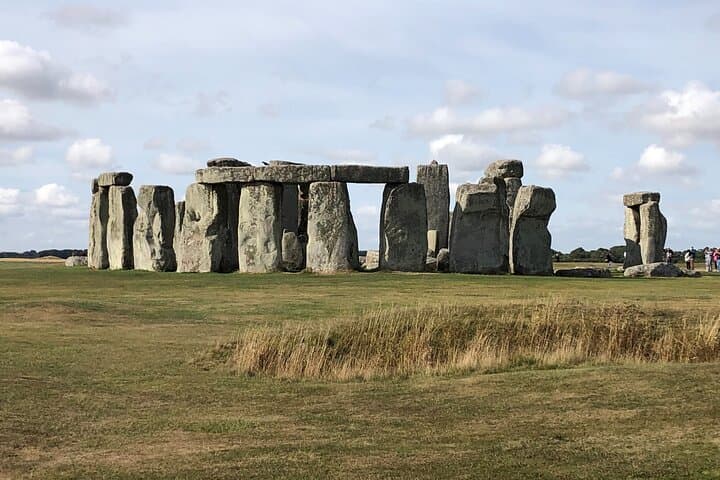
The stones themselves are immediate: squat, weathered sarsen and bluestone arranged by hands 4,500 years ago. Archaeology and geology converge here — transported bluestones from Wales and massive sarsens moved within the chalk plain — creating a site of burial, astronomy and seasonal rites. Local towns like Amesbury and Salisbury grew around these Bronze Age landmarks; English Heritage now manages visitor access and interpretation at the nearby centre.
Culturally, visits range from quiet study of placement and tool marks to the louder human rituals still observed during solstice gatherings. The landscape is active — barrows and ancient ditches press against modern fields — and the wind seems to push visitors forward, asking questions the monument doesn’t answer.
Practically: this private four‑hour excursion typically includes about two hours at the Stonehenge visitor centre and monument, plus round‑trip transfer time. Wear sturdy shoes for chalk paths, bring a waterproof layer and allow an hour for the on‑site exhibition if you want context. Expect English Heritage entry regulations and stay on designated paths; photography is welcomed but touching the stones is not. Port pickup schedules are tight — confirm your ship’s arrival time and the visitor centre opening (generally 09:30) before you set out.
easy.
4 hours.
Suitable for most fitness levels; involves short walks on uneven ground for up to 1–2 hours at the monument
Admission is not included by default; check your booking details and purchase English Heritage tickets in advance if not provided.
The standard itinerary allocates about two hours at the visitor centre and monument—enough for exhibits and a guided path around the stones.
The operator notes wheelchair accessibility for the vehicle and paths to accessible viewpoints; contact them ahead to arrange assistance and confirm access to specific areas.
Yes — additional stop time is typically available for a fee payable to the driver on the day; confirm the hourly rate and availability when you book.
Stonehenge was constructed in phases from around 3000–1500 BCE using locally quarried sarsen and transported bluestone; it served funerary and ceremonial functions across millennia.
English Heritage manages visitor access to reduce wear—stay on marked paths, obey staff guidance, and minimize vehicle idling to limit the site’s footprint.
Solent Private Hire Executive Transfers & Tours operates guided outdoor trips and adventures with an emphasis on safety, stewardship, and memorable experiences.
You step off the ship into Southampton’s harbor air and slide into a private, air‑conditioned vehicle bound for one of Britain’s oldest landscapes. The road eases out of the city and the green of Hampshire and Wiltshire folds around the coach — low hills, pasture, and the distant ridge where Stonehenge waits.
You step off the ship into Southampton’s harbor air and slide into a private, air‑conditioned vehicle bound for one of Britain’s oldest landscapes. The road eases out of the city and the green of Hampshire and Wiltshire folds around the coach — low hills, pasture, and the distant ridge where Stonehenge waits.
The stones themselves are immediate: squat, weathered sarsen and bluestone arranged by hands 4,500 years ago. Archaeology and geology converge here — transported bluestones from Wales and massive sarsens moved within the chalk plain — creating a site of burial, astronomy and seasonal rites. Local towns like Amesbury and Salisbury grew around these Bronze Age landmarks; English Heritage now manages visitor access and interpretation at the nearby centre.
Culturally, visits range from quiet study of placement and tool marks to the louder human rituals still observed during solstice gatherings. The landscape is active — barrows and ancient ditches press against modern fields — and the wind seems to push visitors forward, asking questions the monument doesn’t answer.
Practically: this private four‑hour excursion typically includes about two hours at the Stonehenge visitor centre and monument, plus round‑trip transfer time. Wear sturdy shoes for chalk paths, bring a waterproof layer and allow an hour for the on‑site exhibition if you want context. Expect English Heritage entry regulations and stay on designated paths; photography is welcomed but touching the stones is not. Port pickup schedules are tight — confirm your ship’s arrival time and the visitor centre opening (generally 09:30) before you set out.