THE ADVENTURE COLLECTIVE® · Independent discovery and booking for outdoor travel

Fast, private transfers between Southampton’s cruise terminals and Heathrow with flight tracking and onboard amenities. Learn what to expect, timing tips, and how to prepare your luggage and documents.
Fast, private transfers between Southampton’s cruise terminals and Heathrow with flight tracking and onboard amenities. Learn what to expect, timing tips, and how to prepare your luggage and documents.
You step off the gangway into the brisk Solent air; the port’s cranes stand watch while taxis and shuttle buses form a corridor to the city.
Verified experiences and guided adventures in the surrounding area.
Operated by Kurv London Ltd · Southampton, England
You step off the gangway into the brisk Solent air; the port’s cranes stand watch while taxis and shuttle buses form a corridor to the city.
This transfer service moves travelers from Southampton’s cruise and ferry terminals toward Heathrow Airport, a 70–90 mile corridor that threads through Hampshire suburbs and the western approaches to London. Southampton’s maritime history—once a medieval embarkation point and later the port of the Titanic—shapes the shoreline you leave behind as the highway pulls you east.
Geology here is quiet: low-lying chalk and clays rolling toward the Thames basin, with glimpses of saltmarsh and the Isle of Wight across the water. Culturally, the route passes towns shaped by shipbuilding and aviation; drivers often know quick facts about local landmarks and practical shortcuts around peak traffic.
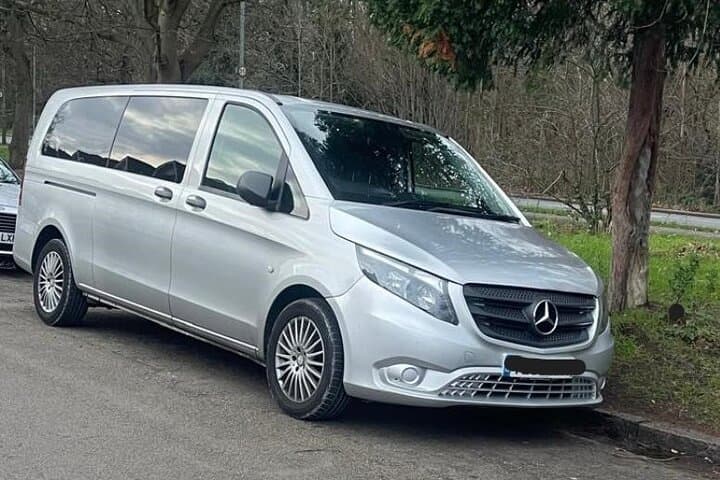
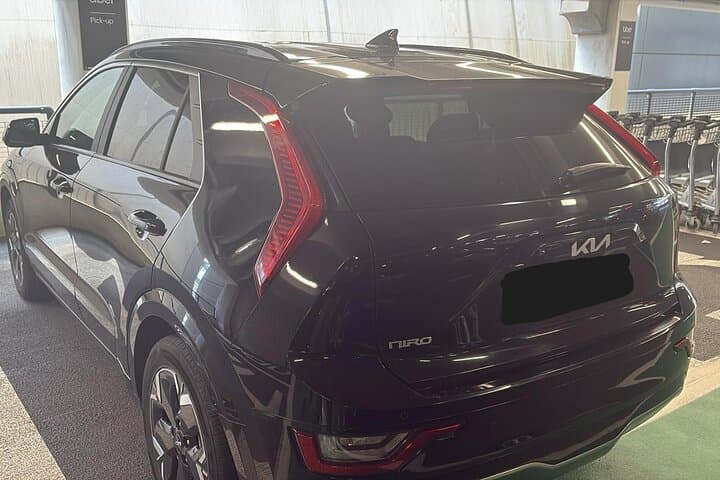
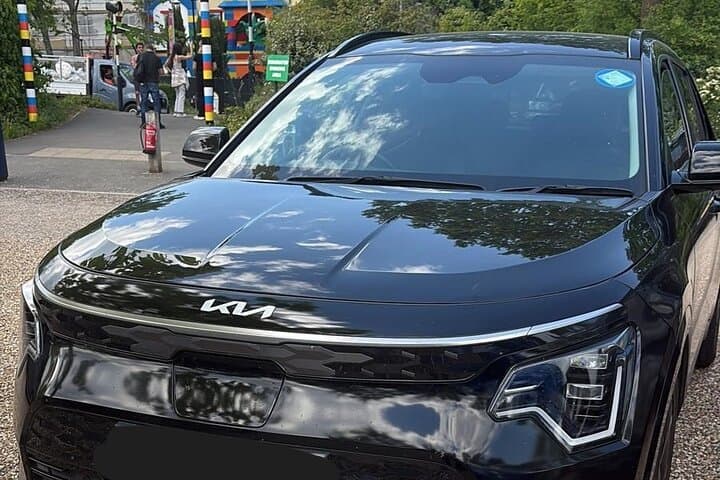
Practically, expect a private, air-conditioned vehicle with onboard Wi‑Fi and bottled water. Drivers typically monitor cruise and flight arrivals and offer a standard waiting allowance (1 hour for flights, 45 minutes for seaports). Peak travel windows—morning and late afternoon—can add time, so plan extra buffer for early evening flights.
Bring travel documents easily accessible, label luggage, and confirm pickup details in advance. For groups, specify luggage count when booking; child seats are available on request. This transfer is straightforward: low effort, predictable comfort, and a direct line from maritime edge to international departures—best when scheduled with margins for traffic and check-in times.
easy.
1.5–2.5 hours (depending on traffic).
No special fitness required; service is suitable for travelers of all abilities
Pickup is arranged at the specified berth or terminal exit; confirm the cruise line berth number and provide a mobile number so the driver can meet you at the gangway or designated pickup point.
Yes—drivers monitor flight and cruise arrival times and typically adjust pickup based on actual landing or docking times; notify the operator if your plans change.
Standard allowances are 1 hour free waiting for airport arrivals, 45 minutes for seaports, and 15 minutes for local pickups—additional waiting may incur charges.
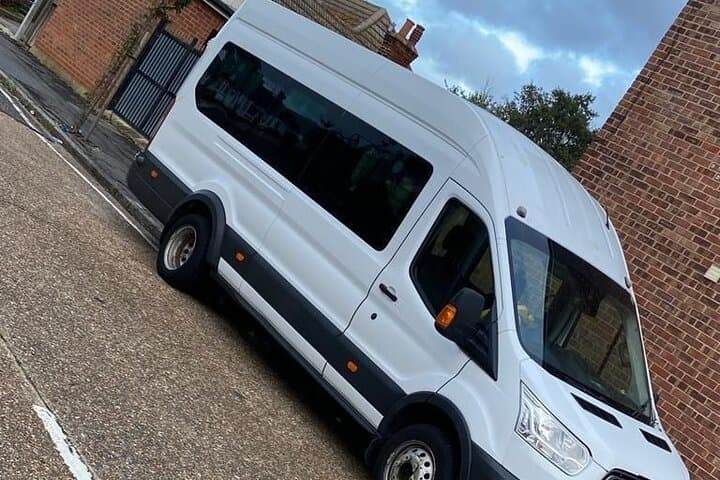
Yes—booking asks for special requirements. Specify child seats, vehicle size, and luggage amounts in advance to ensure availability.
Southampton has long been a major English port—medieval trade routes and 19th–20th century shipbuilding shaped its growth; it was the departure point for many transatlantic liners including the Titanic.
Ports here work under UK marine regulations to manage waste and emissions; choosing shared transfers and minimizing idling helps reduce local air pollution.
Kurv London Ltd operates guided outdoor trips and adventures with an emphasis on safety, stewardship, and memorable experiences.
You step off the gangway into the brisk Solent air; the port’s cranes stand watch while taxis and shuttle buses form a corridor to the city.
You step off the gangway into the brisk Solent air; the port’s cranes stand watch while taxis and shuttle buses form a corridor to the city.
This transfer service moves travelers from Southampton’s cruise and ferry terminals toward Heathrow Airport, a 70–90 mile corridor that threads through Hampshire suburbs and the western approaches to London. Southampton’s maritime history—once a medieval embarkation point and later the port of the Titanic—shapes the shoreline you leave behind as the highway pulls you east.
Geology here is quiet: low-lying chalk and clays rolling toward the Thames basin, with glimpses of saltmarsh and the Isle of Wight across the water. Culturally, the route passes towns shaped by shipbuilding and aviation; drivers often know quick facts about local landmarks and practical shortcuts around peak traffic.
Practically, expect a private, air-conditioned vehicle with onboard Wi‑Fi and bottled water. Drivers typically monitor cruise and flight arrivals and offer a standard waiting allowance (1 hour for flights, 45 minutes for seaports). Peak travel windows—morning and late afternoon—can add time, so plan extra buffer for early evening flights.
Bring travel documents easily accessible, label luggage, and confirm pickup details in advance. For groups, specify luggage count when booking; child seats are available on request. This transfer is straightforward: low effort, predictable comfort, and a direct line from maritime edge to international departures—best when scheduled with margins for traffic and check-in times.