THE ADVENTURE COLLECTIVE® · Independent discovery and booking for outdoor travel

Skip the crowded shuttles and the worry about getting to the airport on time. This private Southampton cruise-terminal to Heathrow transfer gives door-to-door service, luggage assistance, and a driver who knows the terminals and typical traffic patterns.
Skip the crowded shuttles and the worry about getting to the airport on time. This private Southampton cruise-terminal to Heathrow transfer gives door-to-door service, luggage assistance, and a driver who knows the terminals and typical traffic patterns.
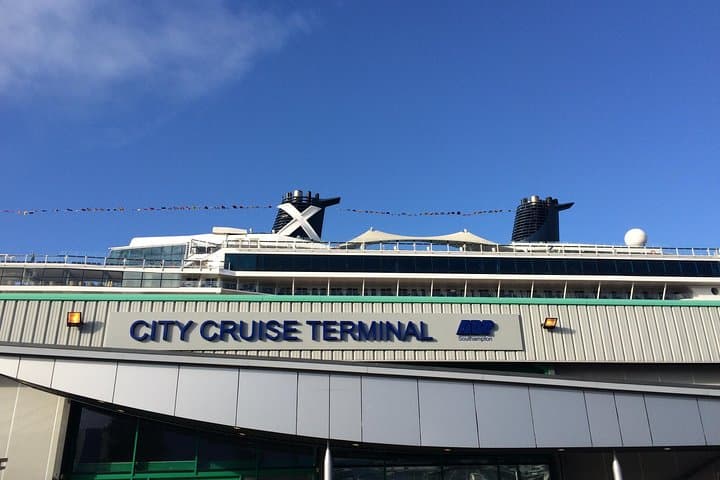
A damp breeze from the Solent follows the pavement as the driver checks the manifest and lifts a suitcase into the van. Southampton’s cruise terminals sit on the edge of a working port where container cranes and passenger gangways share the waterfront; the transfer to Heathrow begins here — practical, punctual, and designed to remove the last pinch-point before a flight.
Verified experiences and guided adventures in the surrounding area.
Operated by EC Minibus · Southampton, England
A damp breeze from the Solent follows the pavement as the driver checks the manifest and lifts a suitcase into the van. Southampton’s cruise terminals sit on the edge of a working port where container cranes and passenger gangways share the waterfront; the transfer to Heathrow begins here — practical, punctual, and designed to remove the last pinch-point before a flight.
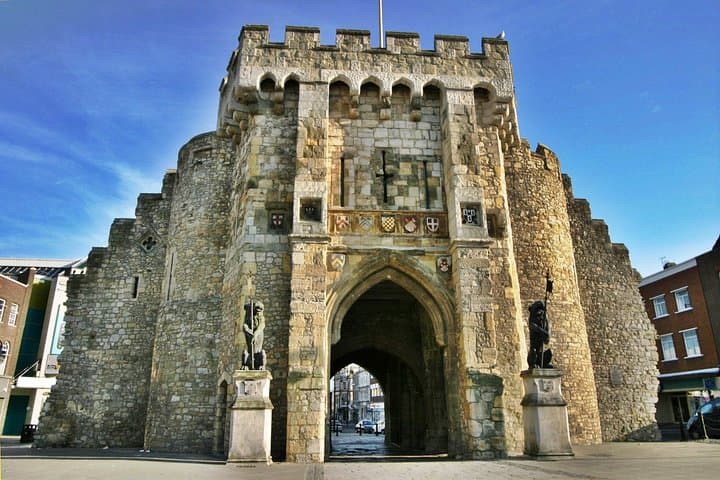
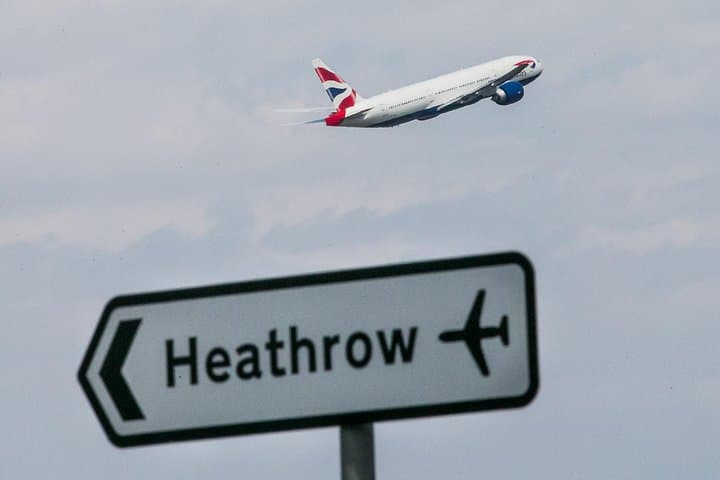
The route threads through Hampshire’s industrial edges and rolling downs. Southampton’s shipbuilding and medieval port history are visible in dockside warehouses and the city wall; farther north, the landscape softens into the New Forest’s outlying heaths before the motorway geometry of the M3 and M25 guides travelers into Greater London. Heathrow itself grew from a 1920s airfield to one of the world’s busiest hubs and requires a driver who knows terminal approaches and drop-off zones.
Expect a private, door-to-door service: the driver meets you in the cruise terminal with a nameboard, assists with luggage, and plans extra time for predictable congestion. Allow 65–95 minutes depending on traffic and time of day; mornings and late afternoons around London rush hours are the most variable. Travellers should have ID and flight details ready, consolidate luggage to the permitted allowance, and confirm terminal or hotel postcode (UB3, UB7, TW4–TW6, SL3).
Practical habits make this simple: request a pickup 15–20 minutes earlier than needed, keep digital tickets and contact numbers accessible, and communicate any large or mobility-related baggage in advance. The comfort of a private transfer is its predictability — one less thing to manage before a flight home or onward, with a local driver who reads the roads as efficiently as a map.
easy.
65–95 minutes.
No special fitness required; suitable for all travelers
Operators estimate 65–95 minutes door to door; allow the longer estimate during London rush hours or heavy cruise days.
Pricing assumes 1–2 adults with up to 2 large suitcases in a sedan, larger vehicles accommodate more — declare oversized or excess luggage when booking.
Vehicles are not wheelchair accessible but can carry foldable wheelchairs; customers should notify the supplier in advance to confirm suitability.
Full refund available if cancelled at least 24 hours before scheduled pickup; cancellations within 24 hours are non-refundable.
Southampton developed as a major medieval and 19th-century port; Heathrow began as a small aerodrome in the 1920s and expanded into an international hub after WWII.
Travel operators are encouraged to minimize idling at pick-up and drop-off zones; riders can reduce footprint by consolidating luggage and choosing shared or direct transfers sensibly.
EC Minibus operates guided outdoor trips and adventures with an emphasis on safety, stewardship, and memorable experiences.
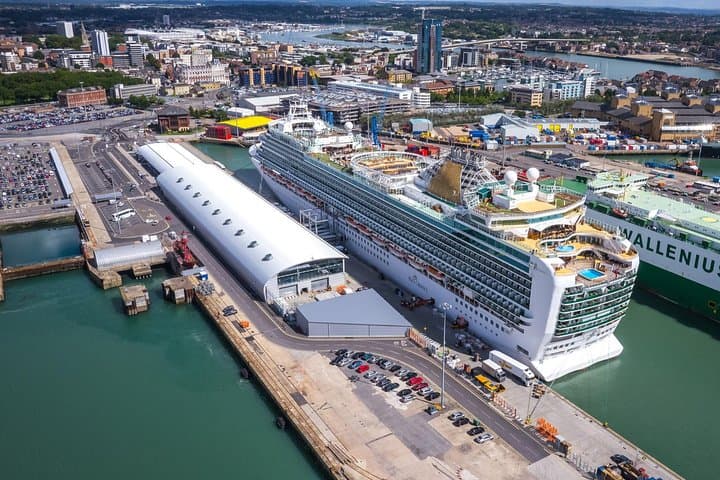
A damp breeze from the Solent follows the pavement as the driver checks the manifest and lifts a suitcase into the van. Southampton’s cruise terminals sit on the edge of a working port where container cranes and passenger gangways share the waterfront; the transfer to Heathrow begins here — practical, punctual, and designed to remove the last pinch-point before a flight.
A damp breeze from the Solent follows the pavement as the driver checks the manifest and lifts a suitcase into the van. Southampton’s cruise terminals sit on the edge of a working port where container cranes and passenger gangways share the waterfront; the transfer to Heathrow begins here — practical, punctual, and designed to remove the last pinch-point before a flight.
The route threads through Hampshire’s industrial edges and rolling downs. Southampton’s shipbuilding and medieval port history are visible in dockside warehouses and the city wall; farther north, the landscape softens into the New Forest’s outlying heaths before the motorway geometry of the M3 and M25 guides travelers into Greater London. Heathrow itself grew from a 1920s airfield to one of the world’s busiest hubs and requires a driver who knows terminal approaches and drop-off zones.
Expect a private, door-to-door service: the driver meets you in the cruise terminal with a nameboard, assists with luggage, and plans extra time for predictable congestion. Allow 65–95 minutes depending on traffic and time of day; mornings and late afternoons around London rush hours are the most variable. Travellers should have ID and flight details ready, consolidate luggage to the permitted allowance, and confirm terminal or hotel postcode (UB3, UB7, TW4–TW6, SL3).
Practical habits make this simple: request a pickup 15–20 minutes earlier than needed, keep digital tickets and contact numbers accessible, and communicate any large or mobility-related baggage in advance. The comfort of a private transfer is its predictability — one less thing to manage before a flight home or onward, with a local driver who reads the roads as efficiently as a map.