THE ADVENTURE COLLECTIVE® · Independent discovery and booking for outdoor travel

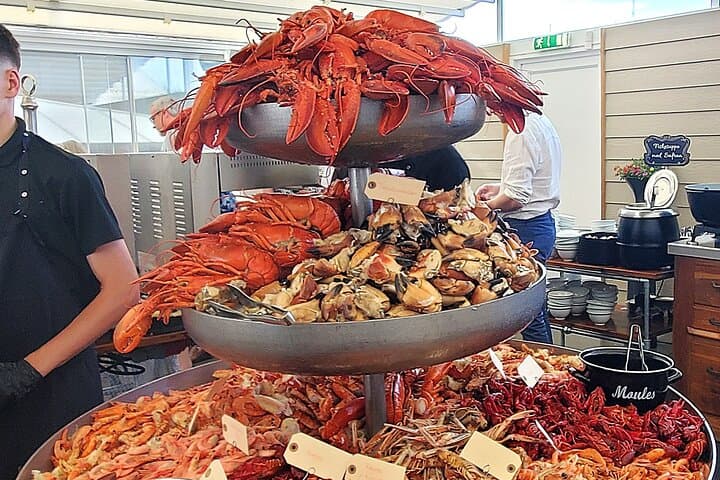
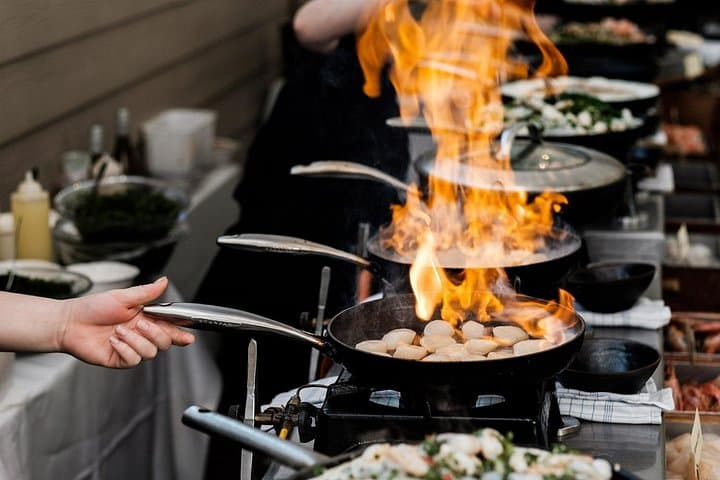
Spend a day in South Zealand tasting northern wines and diving into one of Denmark’s largest seafood buffets. Visit a working vineyard to learn about soils and varietals, then sample lobster, oysters and local fish over a waterfront dinner.
Spend a day in South Zealand tasting northern wines and diving into one of Denmark’s largest seafood buffets. Visit a working vineyard to learn about soils and varietals, then sample lobster, oysters and local fish over a waterfront dinner.
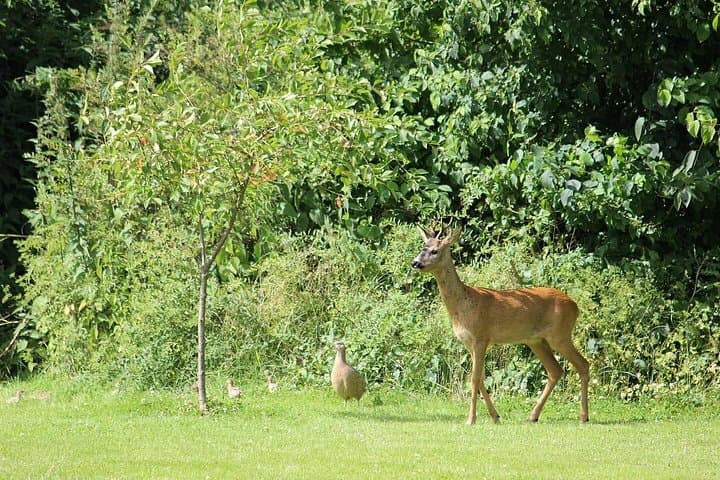
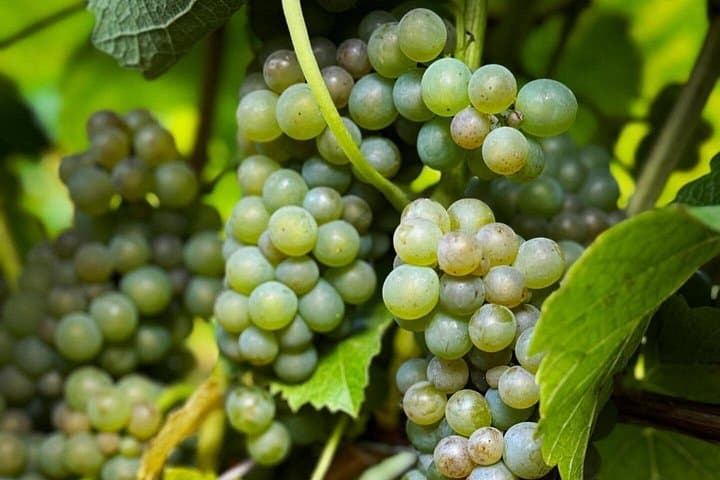
A damp Northern light lifts off the low fields as the bus eases out of Copenhagen, and within an hour the air tastes of salt and soil. South Zealand opens around you: flat farmland, hedgerows, and the occasional manor house where vines have been planted in newly hospitable microclimates. The day splits neatly between the cellar and the shore — a vineyard visit that explains how northern soils and cooler summers shape flavor, followed by a generous seafood buffet that pushes the region’s fishing tradition onto the plate.
Verified experiences and guided adventures in the surrounding area.
Operated by The Shepherd · Næstved, Zealand
A damp Northern light lifts off the low fields as the bus eases out of Copenhagen, and within an hour the air tastes of salt and soil. South Zealand opens around you: flat farmland, hedgerows, and the occasional manor house where vines have been planted in newly hospitable microclimates. The day splits neatly between the cellar and the shore — a vineyard visit that explains how northern soils and cooler summers shape flavor, followed by a generous seafood buffet that pushes the region’s fishing tradition onto the plate.
Viticulture is a recent chapter in Zealand’s long agricultural story. Manor estates and small producers began planting grapes in earnest late in the 20th century as summer temperatures rose and new varieties proved resilient. Geologically, the region sits on glacially deposited tills and sandy soils that drain well — conditions many Danish winemakers prize. Along the coast, fishermen still work old harbors; oysters, shrimp and crab reflect a living food culture shaped by tides and tradition.
Practically, expect a two-hour winery tour with four tastings and a guided primer on grape varieties, pruning and harvest timing, then a sitting at one of Denmark’s larger seafood buffets featuring both raw and baked preparations. Comfortable walking shoes, a light jacket and an appetite are the essentials. Be prepared to ask about sourcing if sustainability matters to you — many operators highlight local, seasonal shellfish.
Timing-wise, book for late spring through early autumn for the warmest weather and liveliest tasting notes. Transport is private for the tour; cancellation policies typically require 24-hour notice for a full refund.
easy.
7–8 hours.
Suitable for most fitness levels; mostly standing, short walks around vineyard and dining area
Yes—private transportation is included as part of the tour between Copenhagen, the vineyard and the seafood venue.
The winery visit typically includes four wine tastings and an explanation of grape varieties and local planting practices.
Notify the operator at booking about allergies or dietary needs; alternatives may be arranged but must be confirmed in advance.
This tour is not recommended for pregnant travelers or those with poor cardiovascular health—check the booking terms and consult the operator if unsure.
South Zealand’s agricultural estates have shifted in recent decades toward small-scale viticulture; warmer summers and experimental plantings helped grow Denmark’s wine scene after 1990.
Many local vineyards emphasize low-intervention viticulture and the seafood venues often source seasonally; visitors can support sustainable fishing by asking about origin and certifications.
The Shepherd operates guided outdoor trips and adventures with an emphasis on safety, stewardship, and memorable experiences.
A damp Northern light lifts off the low fields as the bus eases out of Copenhagen, and within an hour the air tastes of salt and soil. South Zealand opens around you: flat farmland, hedgerows, and the occasional manor house where vines have been planted in newly hospitable microclimates. The day splits neatly between the cellar and the shore — a vineyard visit that explains how northern soils and cooler summers shape flavor, followed by a generous seafood buffet that pushes the region’s fishing tradition onto the plate.
A damp Northern light lifts off the low fields as the bus eases out of Copenhagen, and within an hour the air tastes of salt and soil. South Zealand opens around you: flat farmland, hedgerows, and the occasional manor house where vines have been planted in newly hospitable microclimates. The day splits neatly between the cellar and the shore — a vineyard visit that explains how northern soils and cooler summers shape flavor, followed by a generous seafood buffet that pushes the region’s fishing tradition onto the plate.
Viticulture is a recent chapter in Zealand’s long agricultural story. Manor estates and small producers began planting grapes in earnest late in the 20th century as summer temperatures rose and new varieties proved resilient. Geologically, the region sits on glacially deposited tills and sandy soils that drain well — conditions many Danish winemakers prize. Along the coast, fishermen still work old harbors; oysters, shrimp and crab reflect a living food culture shaped by tides and tradition.
Practically, expect a two-hour winery tour with four tastings and a guided primer on grape varieties, pruning and harvest timing, then a sitting at one of Denmark’s larger seafood buffets featuring both raw and baked preparations. Comfortable walking shoes, a light jacket and an appetite are the essentials. Be prepared to ask about sourcing if sustainability matters to you — many operators highlight local, seasonal shellfish.
Timing-wise, book for late spring through early autumn for the warmest weather and liveliest tasting notes. Transport is private for the tour; cancellation policies typically require 24-hour notice for a full refund.