THE ADVENTURE COLLECTIVE® · Independent discovery and booking for outdoor travel

Trace the coal seams and ironworks that forged South Wales on a private electric tour through valleys, memorials and the edge of the Brecon Beacons. Visit Fourteen Locks, the Six Bells memorial and go underground at Big Pit while learning the landscape’s industrial geology and human stories.
Trace the coal seams and ironworks that forged South Wales on a private electric tour through valleys, memorials and the edge of the Brecon Beacons. Visit Fourteen Locks, the Six Bells memorial and go underground at Big Pit while learning the landscape’s industrial geology and human stories.
You lift out of the city and the valley breathes around you—an electric car whispering through steep valley rims while slate and coal scars edge the view.
Verified experiences and guided adventures in the surrounding area.
Operated by Wales Outdoors - Cardiff · Cardiff, Wales
You lift out of the city and the valley breathes around you—an electric car whispering through steep valley rims while slate and coal scars edge the view.
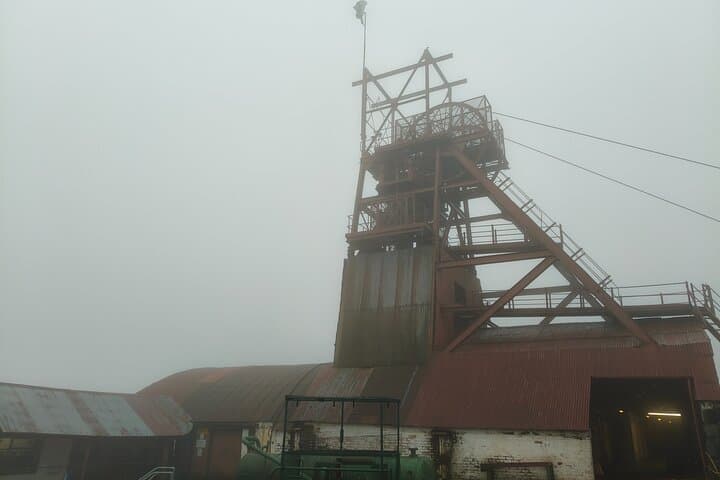
The route crosses landscapes shaped by ancient seas and later by industry: Carboniferous coal seams, iron-bearing shales and limestone that fed furnaces and kept steam engines turning. Towns like Abertillery and Blaenavon grew quickly in the 19th century; terraced houses, miners’ institutes and wagons still mark the human footprint. The Six Bells memorial and Big Pit museum make the social cost of extraction tangible—monuments and museums that put faces and dates to lives that powered Britain’s transformation.
Geology meets panorama on the mountain road above 1,200 ft where the Brecon Beacons crouch northward, their sandstone ridges and peatlands pushing clouds along the skyline. Forest glades and canal locks along the Monmouthshire & Brecon system break the industrial narrative with quiet water and engineered calm—Fourteen Locks remains a dramatic reminder of canal-era ambitions.
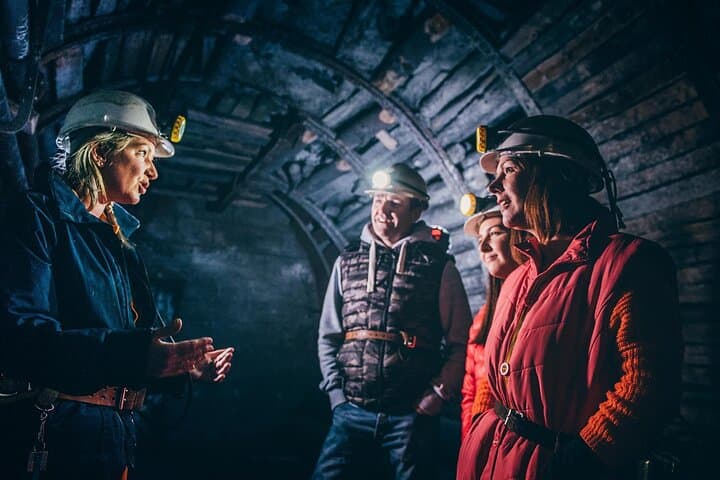
Practical notes: this is a largely seated, 9‑hour private drive with short walks and site visits; Big Pit’s underground tour moves visitors 300 ft below—wear sturdy shoes and layers. Expect intermittent gravel at car parks and limited mobile signal in upland stretches. Bring a charged phone (and a spare battery) for photos and to store tickets. Lunch is in small local cafés—supporting them sustains the post‑industrial communities you’ll meet.
easy.
9 hours.
Suitable for all fitness levels; mainly seated with brief, gentle walks and short steps at sites.
Most departures are arranged from central Cardiff or a nearby pickup point agreed at booking; confirm your pickup when you reserve.
Yes—this is a gentle, seated tour with short onsite walks; advise the operator of any mobility needs so timings and access can be adapted.
Duplicate key removed
Yes—the itinerary includes the Underground Tour that goes roughly 300 ft down; it’s guided by former miners and involves steps and low light.
South Wales’ valleys rapidly industrialised during the 18th–19th centuries; coal and iron extraction reshaped both landscape and society, and many towns grew around collieries and works.
Brecon Beacons National Park protections and museum-led preservation at Big Pit focus on restoring habitats and interpreting industrial heritage while supporting local regeneration.
Wales Outdoors - Cardiff operates guided outdoor trips and adventures with an emphasis on safety, stewardship, and memorable experiences.

You lift out of the city and the valley breathes around you—an electric car whispering through steep valley rims while slate and coal scars edge the view.
You lift out of the city and the valley breathes around you—an electric car whispering through steep valley rims while slate and coal scars edge the view.
The route crosses landscapes shaped by ancient seas and later by industry: Carboniferous coal seams, iron-bearing shales and limestone that fed furnaces and kept steam engines turning. Towns like Abertillery and Blaenavon grew quickly in the 19th century; terraced houses, miners’ institutes and wagons still mark the human footprint. The Six Bells memorial and Big Pit museum make the social cost of extraction tangible—monuments and museums that put faces and dates to lives that powered Britain’s transformation.
Geology meets panorama on the mountain road above 1,200 ft where the Brecon Beacons crouch northward, their sandstone ridges and peatlands pushing clouds along the skyline. Forest glades and canal locks along the Monmouthshire & Brecon system break the industrial narrative with quiet water and engineered calm—Fourteen Locks remains a dramatic reminder of canal-era ambitions.
Practical notes: this is a largely seated, 9‑hour private drive with short walks and site visits; Big Pit’s underground tour moves visitors 300 ft below—wear sturdy shoes and layers. Expect intermittent gravel at car parks and limited mobile signal in upland stretches. Bring a charged phone (and a spare battery) for photos and to store tickets. Lunch is in small local cafés—supporting them sustains the post‑industrial communities you’ll meet.