THE ADVENTURE COLLECTIVE® · Independent discovery and booking for outdoor travel

Explore South Wales’ coastal cliffs, Jurassic rock pools, Norman ruins and living history at St Fagans on this full-day tour from Cardiff. Expect short walks, dramatic seaside views and an optional visit to Caerphilly Castle.
Explore South Wales’ coastal cliffs, Jurassic rock pools, Norman ruins and living history at St Fagans on this full-day tour from Cardiff. Expect short walks, dramatic seaside views and an optional visit to Caerphilly Castle.
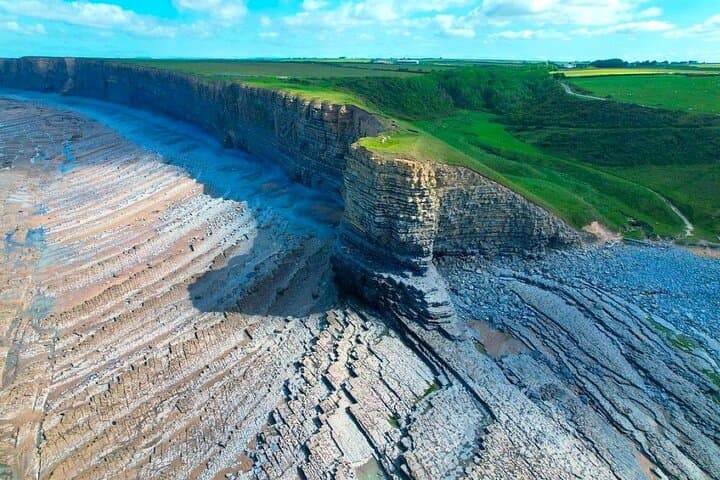
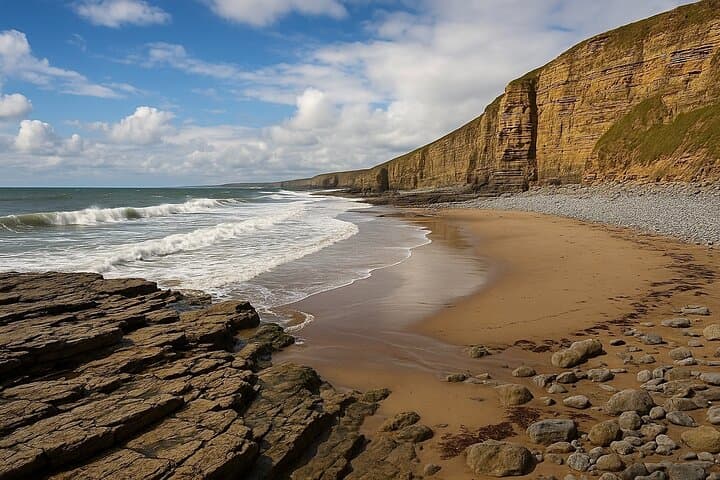
The morning bus peels away from Cardiff and the coastline opens like a page of weathered stone—chalky cliffs, surf-driven coves and the squat silhouette of medieval keeps. Nash Point’s lighthouse watches the Bristol Channel, waves hurrying rocks below while seabirds wheel and call, daring you to get closer.
Verified experiences and guided adventures in the surrounding area.
Operated by EXPLORE WALES TOURS · Cardiff, Wales
The morning bus peels away from Cardiff and the coastline opens like a page of weathered stone—chalky cliffs, surf-driven coves and the squat silhouette of medieval keeps. Nash Point’s lighthouse watches the Bristol Channel, waves hurrying rocks below while seabirds wheel and call, daring you to get closer.
This route threads coastal geology and Welsh history. Limestone at Dunraven Bay exposes Jurassic beds where amateur fossil-hunters can spot shell and bone; the cliffs themselves were shaped by Ice Age seas and ongoing erosion. Ogmore Castle, sited beside a slow river, speaks to Norman military strategy with a surviving stone keep and curtain wall. St Fagans preserves domestic, agricultural and industrial lives across centuries in reconstructed buildings; Caerphilly’s massive concentric fortifications reflect 13th-century castle-building and medieval rivalry.
Local culture is uncomplicated: seaside cafes, small-town bakeries and castle-guarded market streets where Welsh place-names and bilingual signage are constant. Guides often point out the seasonal bird colonies and explain coastal conservation measures to protect fossils and nesting sites.
Practical guidance: expect an 8-hour day with several short walks on uneven, sometimes muddy or pebbled terrain—sturdy footwear and a waterproof shell are essential. Bring a small daypack with water, sun protection and a camera; castle entry at Caerphilly is optional and timed independently. The tour suits walkers of most abilities but includes steps, short cliff-side paths and tidal beaches where conditions change quickly. Plan for changing weather and leave fossils in place; follow your guide’s directions at crossing points and preserve these landscapes for the next party of explorers.
easy.
8 hours.
Suitable for most fitness levels; requires ability to walk short distances on uneven terrain and climb steps.
No—entrance to Caerphilly Castle is optional and paid on site; the tour stops for free time to explore the exterior and town.
Yes—fossils are visible at low tide, but removal is discouraged; photograph findings and follow local conservation guidance.
The day includes several short walks (10–45 minutes) on uneven ground; most stops are accessible from short transfers off the coach.
Yes—there are scheduled stops at towns and tourist sites with cafes and toilets; bring snacks and water for between stops.
Caerphilly Castle dates to the 13th century and is notable for its concentric moats and medieval military engineering; St Fagans preserves relocated historic Welsh buildings to showcase daily life across eras.
The Wales Coast Path and local trusts monitor erosion and bird colonies—stay on marked paths, avoid disturbing nests and do not remove fossils to help protect these fragile sites.
EXPLORE WALES TOURS operates guided outdoor trips and adventures with an emphasis on safety, stewardship, and memorable experiences.


The morning bus peels away from Cardiff and the coastline opens like a page of weathered stone—chalky cliffs, surf-driven coves and the squat silhouette of medieval keeps. Nash Point’s lighthouse watches the Bristol Channel, waves hurrying rocks below while seabirds wheel and call, daring you to get closer.
The morning bus peels away from Cardiff and the coastline opens like a page of weathered stone—chalky cliffs, surf-driven coves and the squat silhouette of medieval keeps. Nash Point’s lighthouse watches the Bristol Channel, waves hurrying rocks below while seabirds wheel and call, daring you to get closer.
This route threads coastal geology and Welsh history. Limestone at Dunraven Bay exposes Jurassic beds where amateur fossil-hunters can spot shell and bone; the cliffs themselves were shaped by Ice Age seas and ongoing erosion. Ogmore Castle, sited beside a slow river, speaks to Norman military strategy with a surviving stone keep and curtain wall. St Fagans preserves domestic, agricultural and industrial lives across centuries in reconstructed buildings; Caerphilly’s massive concentric fortifications reflect 13th-century castle-building and medieval rivalry.
Local culture is uncomplicated: seaside cafes, small-town bakeries and castle-guarded market streets where Welsh place-names and bilingual signage are constant. Guides often point out the seasonal bird colonies and explain coastal conservation measures to protect fossils and nesting sites.
Practical guidance: expect an 8-hour day with several short walks on uneven, sometimes muddy or pebbled terrain—sturdy footwear and a waterproof shell are essential. Bring a small daypack with water, sun protection and a camera; castle entry at Caerphilly is optional and timed independently. The tour suits walkers of most abilities but includes steps, short cliff-side paths and tidal beaches where conditions change quickly. Plan for changing weather and leave fossils in place; follow your guide’s directions at crossing points and preserve these landscapes for the next party of explorers.