THE ADVENTURE COLLECTIVE® · Independent discovery and booking for outdoor travel

A full-day chauffeur tour from Tusayan delivers South Rim highlights—Maricopa Point, Desert View Drive and historic trading posts—without the driving hassles. Expect curated overlooks, Native artisan visits, bottled water and a deli lunch, all on a 6–8 hour route crafted for photos and context.
A full-day chauffeur tour from Tusayan delivers South Rim highlights—Maricopa Point, Desert View Drive and historic trading posts—without the driving hassles. Expect curated overlooks, Native artisan visits, bottled water and a deli lunch, all on a 6–8 hour route crafted for photos and context.
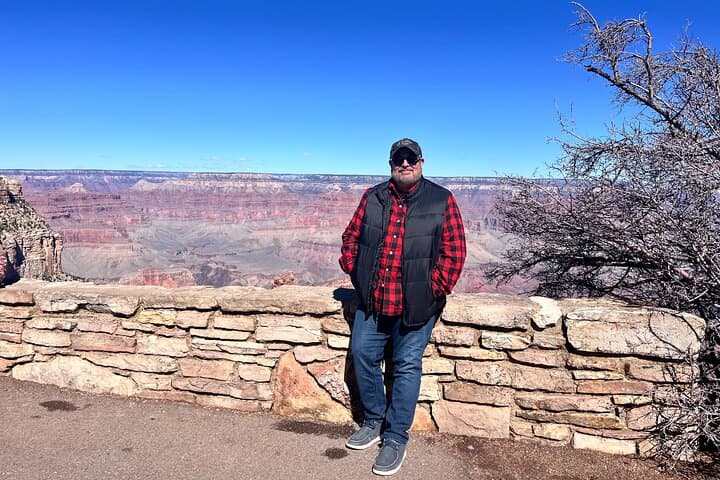
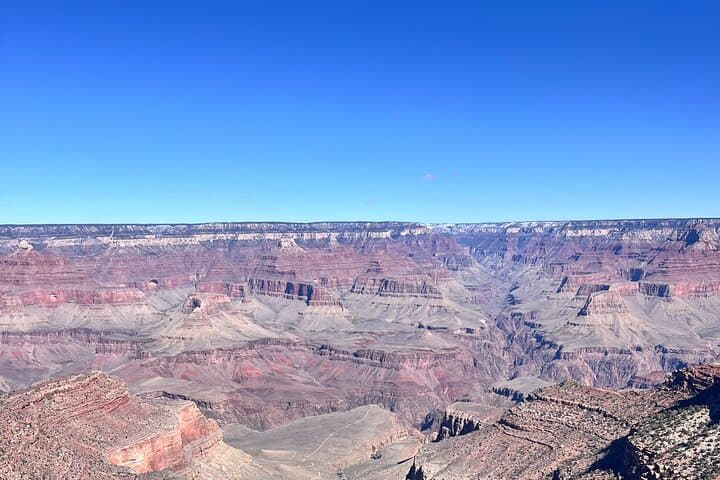
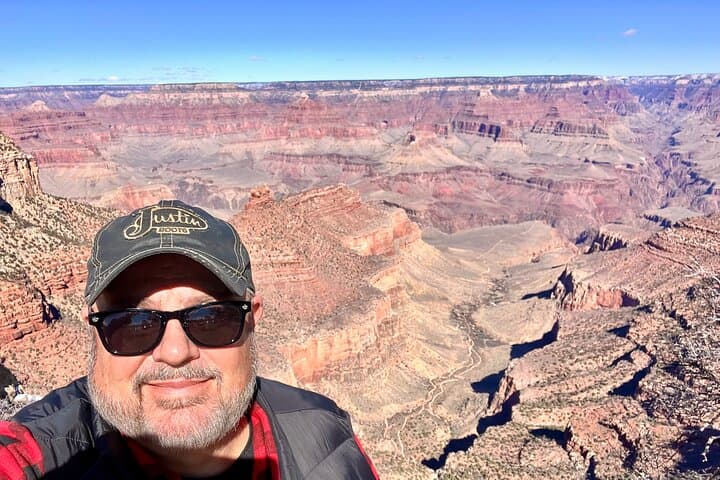
You step out of the van and the wind at the rim seems to be reading your camera roll—pushing you toward a view that refuses to fit on the screen. The South Rim opens like a colossal book of exposed rock, each page a different epoch, and your chauffeur has already mapped the best vantage points: Maricopa Point’s knife-edge jutting into space, a quiet pullout where the Kaibab formation still looks like a weathered sculpture, and the long sweep of Desert View Drive where the Colorado River threads the inner gorge like a silver seam.
Verified experiences and guided adventures in the surrounding area.
Operated by Jason · Tusayan, Arizona
You step out of the van and the wind at the rim seems to be reading your camera roll—pushing you toward a view that refuses to fit on the screen. The South Rim opens like a colossal book of exposed rock, each page a different epoch, and your chauffeur has already mapped the best vantage points: Maricopa Point’s knife-edge jutting into space, a quiet pullout where the Kaibab formation still looks like a weathered sculpture, and the long sweep of Desert View Drive where the Colorado River threads the inner gorge like a silver seam.
This is a day built for panoramic thinking and focused looking. The drive from Tusayan to multiple overlooks traces roads first used by Indigenous peoples and later widened by the railroad and early 20th-century tourism. Verkamp’s Visitor Center—the tour’s mid-morning stop—still holds artifacts and stories of early concessionaire life on the rim. Further east, the Cameron Trading Post and century-old Navajo, Hopi and Zuni artists keep traditions alive, offering a direct connection to crafts practiced long before the park existed.
Geologically, the canyon is a vertical museum. Layers of Kaibab limestone, Coconino sandstone and Vishnu schist are readable chapters: reds and tans that speak to shallow seas and desert dunes, and dark basement rocks in the inner gorge that betray the planet’s deep heat. From the rim you’ll see the Tonto Platform and the distant sweep of Vermilion Cliffs, learning to read scale by the river far below.
Practical reality sits beside the romance. The full-day chauffeur runs roughly 6–8 hours, with private transport, bottled water, light snacks and a deli lunch included—so you can leave the logistics to the driver and focus on timing your shots or asking questions about Hopi, Zuni and Navajo silversmithing.
Plan for elevation: the South Rim sits around 7,000 ft, so move slowly at first if you’re arriving from lower ground. Midday can be hot in summer and storm-prone during monsoon; mornings and late afternoons offer the best light and fewer people. Bathrooms and water refill stations exist at visitor centers, but cell service is patchy—download maps and charge devices the night before.
For photographers, the top tips are simple: golden hour at Yavapai or Desert View yields the best contrast; use a wide lens for sweeping foreground-to-river compositions and a telephoto to compress distant mesas. Respect the rim—stay behind railings and on designated paths—both for your safety and to preserve fragile soils and cultural sites.
By day’s end the canyon’s scale becomes a practical lesson in humility: rock that refuses human hurry, and communities that have lived with it for generations. With a chauffeur doing the driving, you trade maps and meters for questions and moments—exactly the kind of travel the rim invites.
easy.
6–8 hours.
Appropriate for most fitness levels since the tour is vehicle-based; expect short walks on uneven rim paths.
The tour's inclusions list fees and taxes as covered; confirm at booking whether the National Park entrance fee is included for your specific reservation.
Pickups are available from Tusayan-area hotels and specified Flagstaff/airport points—provide your hotel name when booking for a 15-minute prior pickup window.
Many pullouts and visitor centers have accessible facilities, but some viewpoints have uneven surfaces; notify the operator at booking to discuss specific needs.
Layered clothing with a windproof outer shell and sun-protective layers is best; temperatures can vary significantly between morning and afternoon.
Yes; the itinerary includes a 30–60 minute stop at a 100+-year-old trading post with authentic Hopi, Zuni and Navajo art available for purchase.
Gratuities are customary for drivers and guides; 10–20% based on service quality is standard practice.
The South Rim grew as a tourism hub after the early 1900s railroad; trading posts like Verkamp’s and Cameron trade preserved Indigenous and pioneer commerce for over a century.
The park manages visitor access to protect fragile soils and cultural sites—stay on designated trails, pack out trash, and avoid disturbing wildlife or artifacts.
Jason operates guided outdoor trips and adventures with an emphasis on safety, stewardship, and memorable experiences.
You step out of the van and the wind at the rim seems to be reading your camera roll—pushing you toward a view that refuses to fit on the screen. The South Rim opens like a colossal book of exposed rock, each page a different epoch, and your chauffeur has already mapped the best vantage points: Maricopa Point’s knife-edge jutting into space, a quiet pullout where the Kaibab formation still looks like a weathered sculpture, and the long sweep of Desert View Drive where the Colorado River threads the inner gorge like a silver seam.
You step out of the van and the wind at the rim seems to be reading your camera roll—pushing you toward a view that refuses to fit on the screen. The South Rim opens like a colossal book of exposed rock, each page a different epoch, and your chauffeur has already mapped the best vantage points: Maricopa Point’s knife-edge jutting into space, a quiet pullout where the Kaibab formation still looks like a weathered sculpture, and the long sweep of Desert View Drive where the Colorado River threads the inner gorge like a silver seam.
This is a day built for panoramic thinking and focused looking. The drive from Tusayan to multiple overlooks traces roads first used by Indigenous peoples and later widened by the railroad and early 20th-century tourism. Verkamp’s Visitor Center—the tour’s mid-morning stop—still holds artifacts and stories of early concessionaire life on the rim. Further east, the Cameron Trading Post and century-old Navajo, Hopi and Zuni artists keep traditions alive, offering a direct connection to crafts practiced long before the park existed.
Geologically, the canyon is a vertical museum. Layers of Kaibab limestone, Coconino sandstone and Vishnu schist are readable chapters: reds and tans that speak to shallow seas and desert dunes, and dark basement rocks in the inner gorge that betray the planet’s deep heat. From the rim you’ll see the Tonto Platform and the distant sweep of Vermilion Cliffs, learning to read scale by the river far below.
Practical reality sits beside the romance. The full-day chauffeur runs roughly 6–8 hours, with private transport, bottled water, light snacks and a deli lunch included—so you can leave the logistics to the driver and focus on timing your shots or asking questions about Hopi, Zuni and Navajo silversmithing.
Plan for elevation: the South Rim sits around 7,000 ft, so move slowly at first if you’re arriving from lower ground. Midday can be hot in summer and storm-prone during monsoon; mornings and late afternoons offer the best light and fewer people. Bathrooms and water refill stations exist at visitor centers, but cell service is patchy—download maps and charge devices the night before.
For photographers, the top tips are simple: golden hour at Yavapai or Desert View yields the best contrast; use a wide lens for sweeping foreground-to-river compositions and a telephoto to compress distant mesas. Respect the rim—stay behind railings and on designated paths—both for your safety and to preserve fragile soils and cultural sites.
By day’s end the canyon’s scale becomes a practical lesson in humility: rock that refuses human hurry, and communities that have lived with it for generations. With a chauffeur doing the driving, you trade maps and meters for questions and moments—exactly the kind of travel the rim invites.