THE ADVENTURE COLLECTIVE® · Independent discovery and booking for outdoor travel

An immersive 8‑day journey through Ethiopia’s South Omo Valley visiting Konso, Dorze, Hamar, Karo and Mursi communities. Expect long drives, basic lodges, vibrant market days and close cultural exchange.
An immersive 8‑day journey through Ethiopia’s South Omo Valley visiting Konso, Dorze, Hamar, Karo and Mursi communities. Expect long drives, basic lodges, vibrant market days and close cultural exchange.
Dust rises off the dirt road as the minivan drops you at a riverside village; painted bodies and braided hair come into view, and the Omo River cuts the landscape like a living line on the map. Morning light finds elders trading stories beneath acacia shade while children herd goats along terraces that slope toward flat, shimmering lakes.
Verified experiences and guided adventures in the surrounding area.
Operated by Finot Tour Ethiopia - Day Tours · Jinka, Southern Nations, Nationalities, and Peoples' Region
Dust rises off the dirt road as the minivan drops you at a riverside village; painted bodies and braided hair come into view, and the Omo River cuts the landscape like a living line on the map. Morning light finds elders trading stories beneath acacia shade while children herd goats along terraces that slope toward flat, shimmering lakes.
The Omo Valley sits inside the eastern arm of the Great Rift — a place where geology and human history intersect. Millennia of tectonic uplift and volcanic activity shaped the dramatic escarpments and the basin that collects seasonal floods, enabling distinct agricultural and cultural adaptations. This 8‑day itinerary threads through UNESCO‑listed Konso terraces, Dorze highland weaving villages, Ndorze beehive houses near Arba Minch, and the lowland tribes—Hamar, Karo, Mursi—whose body art, ritual life and markets resist easy classification.
Expect basic roads, remote accommodations and vivid market scenes where cattle, pottery and woven cloth quantify social ties. Wildlife sightings around Lake Chamo and Nechisar (hippo, crocodile, lots of waterbirds) complement cultural encounters.
Practical guidance: travel with layered clothing for hot days and cooler highlands, carry enough cash (card facilities are unreliable), and plan for long drives—some transfers run four to eight hours. Respect local customs: ask before photographing and accept invitations with humility. Hydration and sun protection are essential; bring a durable daypack, good walking shoes for uneven village paths, and a flexible attitude—the region rewards those who come prepared and open to genuine, sometimes challenging, cultural exchange.
moderate.
8 days.
Moderate level of fitness—able to walk on uneven village tracks and tolerate several multi‑hour drives.
Consult your healthcare provider—vaccinations like hepatitis A and typhoid are commonly recommended; malaria prophylaxis is advised for lowland areas of the Omo Valley.
Many transfers are long (4–8 hours) on unpaved or partially paved roads; expect dust and occasional rough sections—comfort stops are included when possible.
There’s no formal fee structure, but polite negotiation, small tips or offering prints can be appropriate—always ask before taking close portraits.
Accommodations are basic to mid‑range lodges; amenities vary by location and electricity or hot water can be intermittent in more remote stops.
The Omo Valley has been a migratory crossroads for millennia; archaeological finds in the region have informed our understanding of early hominins and agricultural development.
Rapid infrastructure and agricultural change put pressure on water resources and grazing lands—support local guides and lodges that practice fair payments and low‑impact visits.
Finot Tour Ethiopia - Day Tours operates guided outdoor trips and adventures with an emphasis on safety, stewardship, and memorable experiences.

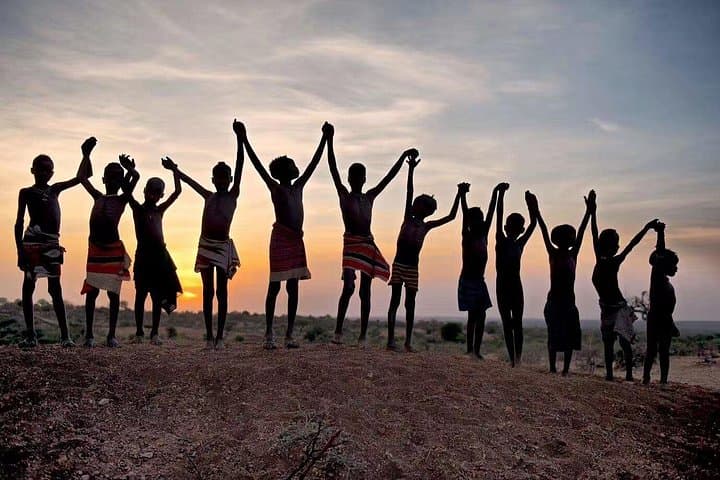
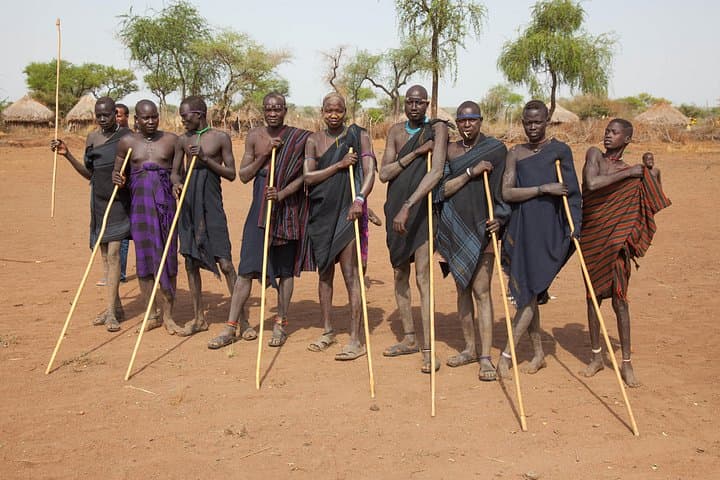
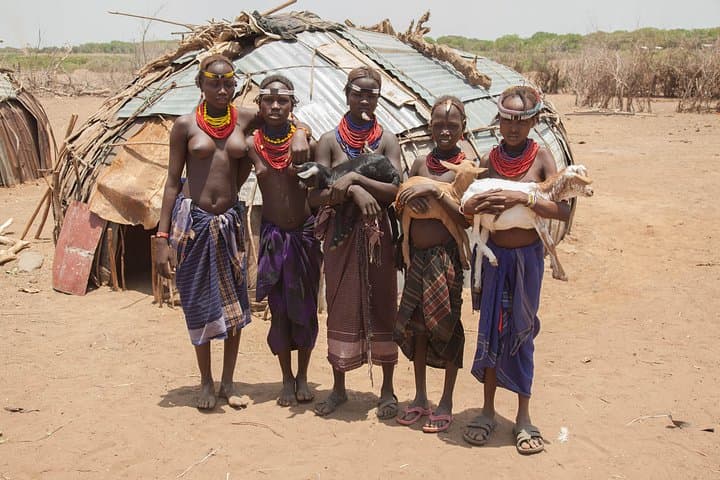
Dust rises off the dirt road as the minivan drops you at a riverside village; painted bodies and braided hair come into view, and the Omo River cuts the landscape like a living line on the map. Morning light finds elders trading stories beneath acacia shade while children herd goats along terraces that slope toward flat, shimmering lakes.
Dust rises off the dirt road as the minivan drops you at a riverside village; painted bodies and braided hair come into view, and the Omo River cuts the landscape like a living line on the map. Morning light finds elders trading stories beneath acacia shade while children herd goats along terraces that slope toward flat, shimmering lakes.
The Omo Valley sits inside the eastern arm of the Great Rift — a place where geology and human history intersect. Millennia of tectonic uplift and volcanic activity shaped the dramatic escarpments and the basin that collects seasonal floods, enabling distinct agricultural and cultural adaptations. This 8‑day itinerary threads through UNESCO‑listed Konso terraces, Dorze highland weaving villages, Ndorze beehive houses near Arba Minch, and the lowland tribes—Hamar, Karo, Mursi—whose body art, ritual life and markets resist easy classification.
Expect basic roads, remote accommodations and vivid market scenes where cattle, pottery and woven cloth quantify social ties. Wildlife sightings around Lake Chamo and Nechisar (hippo, crocodile, lots of waterbirds) complement cultural encounters.
Practical guidance: travel with layered clothing for hot days and cooler highlands, carry enough cash (card facilities are unreliable), and plan for long drives—some transfers run four to eight hours. Respect local customs: ask before photographing and accept invitations with humility. Hydration and sun protection are essential; bring a durable daypack, good walking shoes for uneven village paths, and a flexible attitude—the region rewards those who come prepared and open to genuine, sometimes challenging, cultural exchange.