THE ADVENTURE COLLECTIVE® · Independent discovery and booking for outdoor travel

A three-hour guided walk through South Mumbai’s iconic markets—Crawford, Mangaldas, spice lanes and flower bazaars—where colonial streets meet living commerce. Expect crowds, bargaining, vivid street food and deep cultural layers.
A three-hour guided walk through South Mumbai’s iconic markets—Crawford, Mangaldas, spice lanes and flower bazaars—where colonial streets meet living commerce. Expect crowds, bargaining, vivid street food and deep cultural layers.
You step off the tram into a wave of sound: vendors calling, fruit sellers sorting papayas, and the scent of toasted spices cutting through humid air. Narrow lanes hemmed by colonial brick and art-deco facades funnel you past cages of parrots, stalls of bolt‑end fabrics and a row of garland sellers arranging marigolds like jewelry.
Verified experiences and guided adventures in the surrounding area.
Operated by Mumbai Dream Tours · Mumbai, Maharashtra
You step off the tram into a wave of sound: vendors calling, fruit sellers sorting papayas, and the scent of toasted spices cutting through humid air. Narrow lanes hemmed by colonial brick and art-deco facades funnel you past cages of parrots, stalls of bolt‑end fabrics and a row of garland sellers arranging marigolds like jewelry.
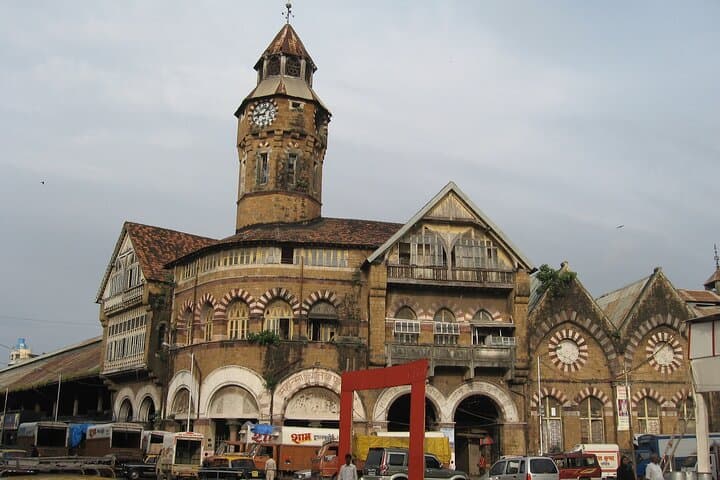
South Mumbai’s markets grew where land met sea—land reclaimed and reworked during the colonial period—so the streets themselves are a palimpsest of trade routes, religious neighborhoods and Victorian-era warehouses. Crawford Market (Mahatma Phule Mandai) still hums with wholesale energy; nearby Mangaldas is a fabric maze where merchants read meters like books. Shrines and mosques sit shoulder to shoulder with spice merchants and a cow shelter, reflecting the city’s layered communities and daily rituals.
Expect uneven stone and tiled floors, crowded alleys, and frequent stops to inspect cloth, sweets, or brassware. The tour gives cultural context—how markets fed urban expansion—and practical access to transaction customs: bargaining in rupees, accepting chai invites, and photographing with respect.
Plan early-morning departures to dodge midday heat and peak crowds. Bring small bills, a compact camera and comfortable closed shoes—you’ll walk three hours across mixed urban terrain. Hydrate often; alleys can trap heat and the smell of spices intensifies in the sun. Finally, tread lightly: markets are working places—ask before touching a display and buy local goods to support family-run stalls.
easy.
2–3 hours.
Suitable for most fitness levels; requires walking on flat but uneven urban surfaces for several hours.
Most tours meet near Crawford Market (Mahatma Phule Mandai) entrance; check your booking confirmation for an exact landmark and local guide contact.
Yes—the tour is rated easy and accessible for varied ages, but participants should be comfortable walking up to three hours and navigating crowds.
Yes; vendors sell snacks and street food—bring cash and eat at your discretion, considering hygiene and spice levels.
Accessibility varies: main streets have steps and narrow alleys which can be difficult for wheelchairs—contact the operator ahead to discuss accommodations.
South Mumbai’s bazaars expanded under British trade networks; many market buildings date to the late 19th and early 20th centuries and reflect colonial commercial architecture.
Markets generate significant waste—carry a reusable bag, decline single-use plastics, and support vendors who use minimal packaging to reduce environmental impact.
Mumbai Dream Tours operates guided outdoor trips and adventures with an emphasis on safety, stewardship, and memorable experiences.
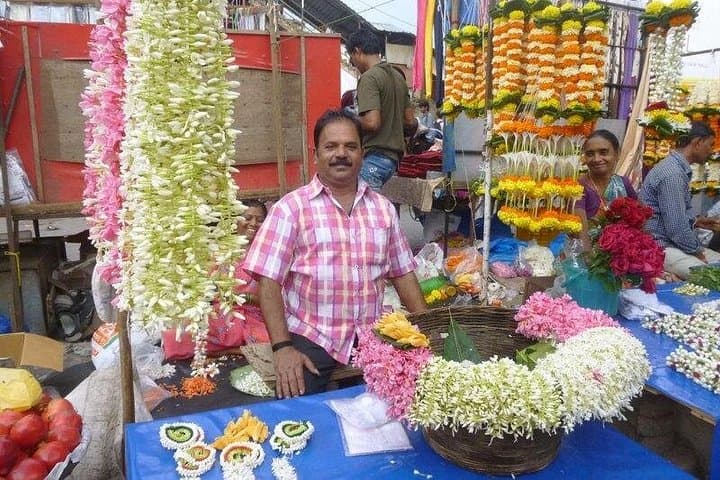
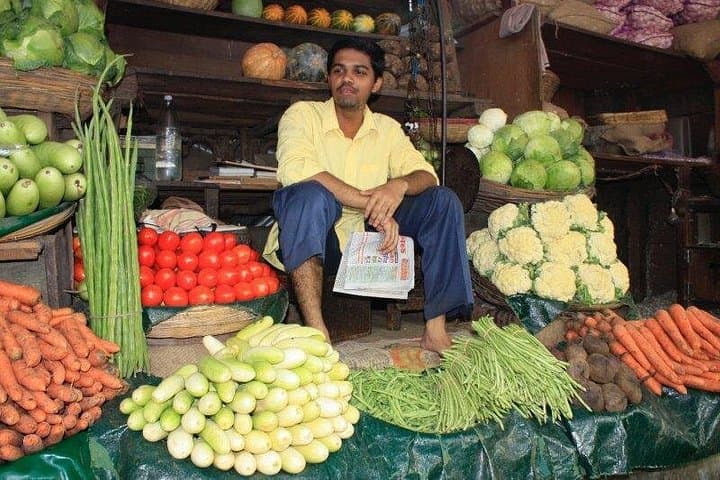

You step off the tram into a wave of sound: vendors calling, fruit sellers sorting papayas, and the scent of toasted spices cutting through humid air. Narrow lanes hemmed by colonial brick and art-deco facades funnel you past cages of parrots, stalls of bolt‑end fabrics and a row of garland sellers arranging marigolds like jewelry.
You step off the tram into a wave of sound: vendors calling, fruit sellers sorting papayas, and the scent of toasted spices cutting through humid air. Narrow lanes hemmed by colonial brick and art-deco facades funnel you past cages of parrots, stalls of bolt‑end fabrics and a row of garland sellers arranging marigolds like jewelry.
South Mumbai’s markets grew where land met sea—land reclaimed and reworked during the colonial period—so the streets themselves are a palimpsest of trade routes, religious neighborhoods and Victorian-era warehouses. Crawford Market (Mahatma Phule Mandai) still hums with wholesale energy; nearby Mangaldas is a fabric maze where merchants read meters like books. Shrines and mosques sit shoulder to shoulder with spice merchants and a cow shelter, reflecting the city’s layered communities and daily rituals.
Expect uneven stone and tiled floors, crowded alleys, and frequent stops to inspect cloth, sweets, or brassware. The tour gives cultural context—how markets fed urban expansion—and practical access to transaction customs: bargaining in rupees, accepting chai invites, and photographing with respect.
Plan early-morning departures to dodge midday heat and peak crowds. Bring small bills, a compact camera and comfortable closed shoes—you’ll walk three hours across mixed urban terrain. Hydrate often; alleys can trap heat and the smell of spices intensifies in the sun. Finally, tread lightly: markets are working places—ask before touching a display and buy local goods to support family-run stalls.