THE ADVENTURE COLLECTIVE® · Independent discovery and booking for outdoor travel

A five-day, private circuit through Tamil Nadu’s great temple towns: towering gopurams in Trichy and Madurai, the sea-swept sanctity of Rameshwaram, and the Chola masterpieces of Thanjavur. Practical tips help you navigate crowds, dress codes and summer heat.
A five-day, private circuit through Tamil Nadu’s great temple towns: towering gopurams in Trichy and Madurai, the sea-swept sanctity of Rameshwaram, and the Chola masterpieces of Thanjavur. Practical tips help you navigate crowds, dress codes and summer heat.
Arriving in Trichy, the city unfolds like a living map of stone and ritual — gopurams puncture the sky, a rock outcrop watches the town, and traffic hums below as priests ring bells. The five-day circuit threads through millennia: Chola vimanas, Pandya sculptures and Pallava reliefs stacked into temples that shaped South Indian temple architecture.
Verified experiences and guided adventures in the surrounding area.
Operated by Agora Voyages Pvt. Ltd. · Tiruchirappalli, Tamil Nadu
Arriving in Trichy, the city unfolds like a living map of stone and ritual — gopurams puncture the sky, a rock outcrop watches the town, and traffic hums below as priests ring bells. The five-day circuit threads through millennia: Chola vimanas, Pandya sculptures and Pallava reliefs stacked into temples that shaped South Indian temple architecture.
Geology and history are unavoidable companions. The Rock Fort sits on billion-year-old charnockite; the broad Kaveri delta feeds the paddy fields that enriched Thanjavur’s Chola kings. Madurai’s Meenakshi complex reads as urban theatre — towering, painted gateways that stage daily rituals. Rameshwaram opens to sea-battered sandbanks and the eerie ruins of Dhanushkodi, places where myth and coastal processes meet.
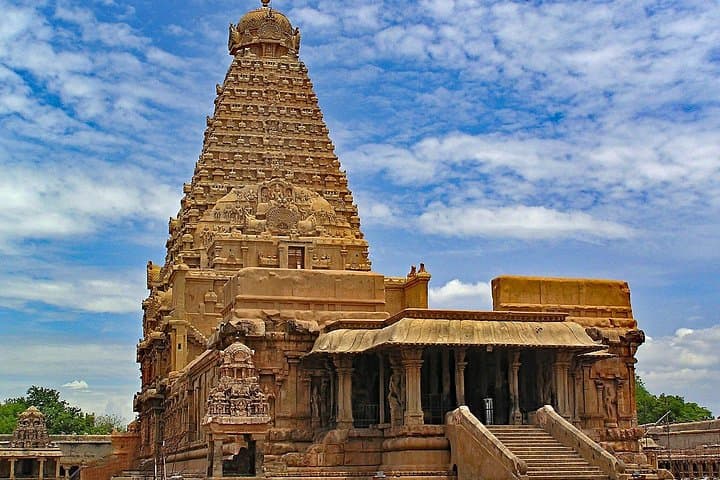
Culturally the route moves from intense ritual in crowded sanctums to the quieter, carved courtyards of Thanjavur’s palace and the stone calm of Brihadeshwara Temple. Between temples, Chettinad mansions offer a different kind of architecture: wood, marble and imported finishings that speak to merchant wealth.
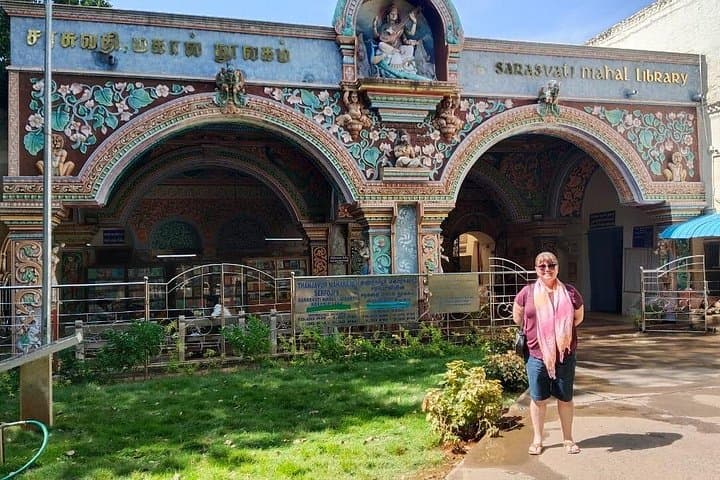
Practical guidance: travel by private AC car between sites (drives of 1–5 hours), expect removed footwear at shrines, and plan mornings for cooler, less crowded visits. Carry modest clothing that covers shoulders and knees, and allow time for slow, reverent exploration rather than rushed photo stops. Hydration and sun protection are non-negotiable—heat can sharpen by late morning. Finally, give museums and library spaces at Thanjavur at least an hour to appreciate manuscripts and bronzes; these indoor stops balance the outdoor heat and round out the historical arc of the circuit.
easy.
5 days.
Suitable for most travelers; requires regular walking, climbing temple steps and short roadside walks between sites.
Yes—it's rated easy, with private AC transfers and short walking segments; inform the operator of any mobility needs in advance.
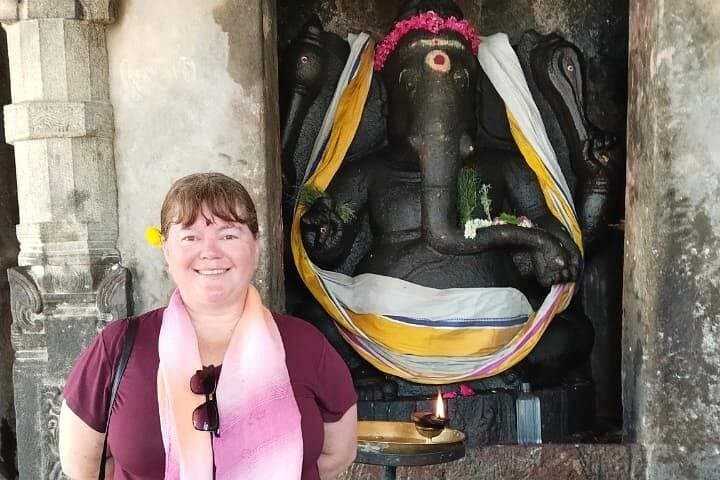
Conservative attire required: shoulders and knees covered; some temples may restrict sleeveless tops or shorts.
Photography rules vary—many sanctums prohibit photos; ask local guides before photographing rituals or inner sanctums.
The itinerary notes monument entrances are included as specified; meals beyond listed breakfasts are typically not included unless stated.
The circuit traces Chola, Pandya and later Nayak dynasties; Thanjavur’s Brihadeshwara Temple is a 11th-century Chola masterpiece and UNESCO site.
Visitor pressure and litter can impact temple precincts and coastal ruins; stick to marked routes, avoid plastic waste, and support local conservation initiatives.
Agora Voyages Pvt. Ltd. operates guided outdoor trips and adventures with an emphasis on safety, stewardship, and memorable experiences.
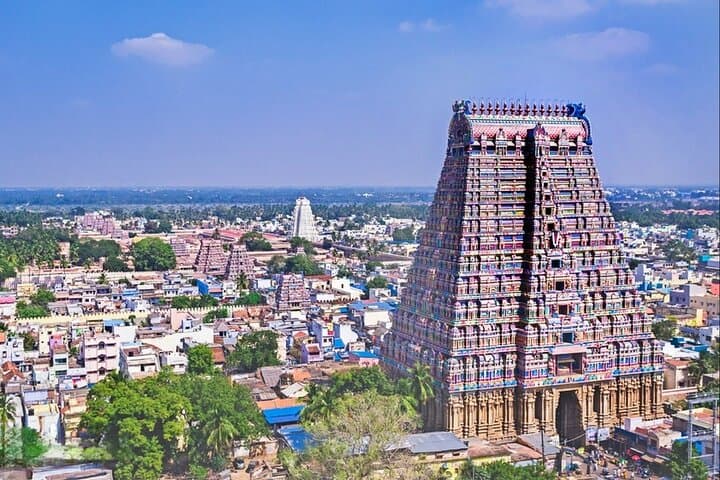
Arriving in Trichy, the city unfolds like a living map of stone and ritual — gopurams puncture the sky, a rock outcrop watches the town, and traffic hums below as priests ring bells. The five-day circuit threads through millennia: Chola vimanas, Pandya sculptures and Pallava reliefs stacked into temples that shaped South Indian temple architecture.
Arriving in Trichy, the city unfolds like a living map of stone and ritual — gopurams puncture the sky, a rock outcrop watches the town, and traffic hums below as priests ring bells. The five-day circuit threads through millennia: Chola vimanas, Pandya sculptures and Pallava reliefs stacked into temples that shaped South Indian temple architecture.
Geology and history are unavoidable companions. The Rock Fort sits on billion-year-old charnockite; the broad Kaveri delta feeds the paddy fields that enriched Thanjavur’s Chola kings. Madurai’s Meenakshi complex reads as urban theatre — towering, painted gateways that stage daily rituals. Rameshwaram opens to sea-battered sandbanks and the eerie ruins of Dhanushkodi, places where myth and coastal processes meet.
Culturally the route moves from intense ritual in crowded sanctums to the quieter, carved courtyards of Thanjavur’s palace and the stone calm of Brihadeshwara Temple. Between temples, Chettinad mansions offer a different kind of architecture: wood, marble and imported finishings that speak to merchant wealth.
Practical guidance: travel by private AC car between sites (drives of 1–5 hours), expect removed footwear at shrines, and plan mornings for cooler, less crowded visits. Carry modest clothing that covers shoulders and knees, and allow time for slow, reverent exploration rather than rushed photo stops. Hydration and sun protection are non-negotiable—heat can sharpen by late morning. Finally, give museums and library spaces at Thanjavur at least an hour to appreciate manuscripts and bronzes; these indoor stops balance the outdoor heat and round out the historical arc of the circuit.