THE ADVENTURE COLLECTIVE® · Independent discovery and booking for outdoor travel

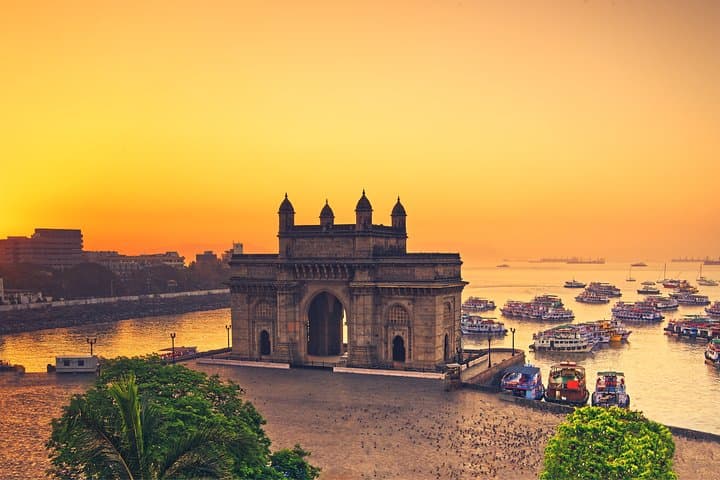
Travel from Mumbai’s bustle to Kerala’s quiet backwaters, Munnar’s tea slopes and the ruined temples of Hampi on an 18‑night private tour. Expect houseboat nights, Periyar wildlife boat rides, colonial Kochi and elevated hill‑station air.
Travel from Mumbai’s bustle to Kerala’s quiet backwaters, Munnar’s tea slopes and the ruined temples of Hampi on an 18‑night private tour. Expect houseboat nights, Periyar wildlife boat rides, colonial Kochi and elevated hill‑station air.
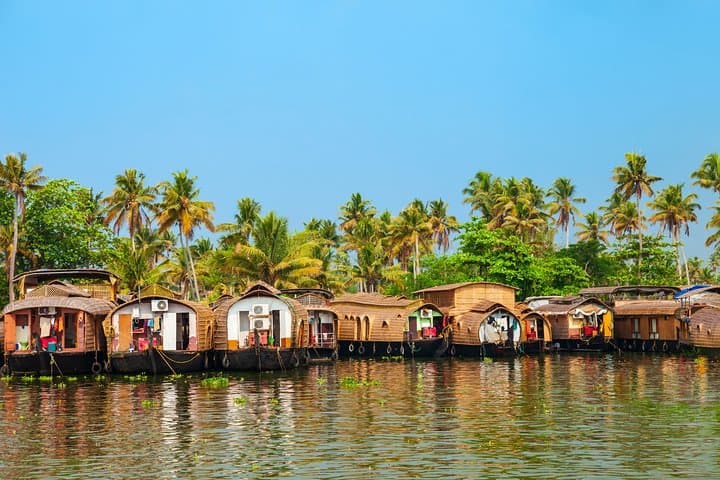
The morning light on a Kerala backwater arrives slowly, turning the reed-lined canals to burnished green while houseboat chimneys send up the faint scent of coconut oil and simmering curry.
Verified experiences and guided adventures in the surrounding area.
Operated by Incredible Real India Tours · Kochi, Kerala
The morning light on a Kerala backwater arrives slowly, turning the reed-lined canals to burnished green while houseboat chimneys send up the faint scent of coconut oil and simmering curry.
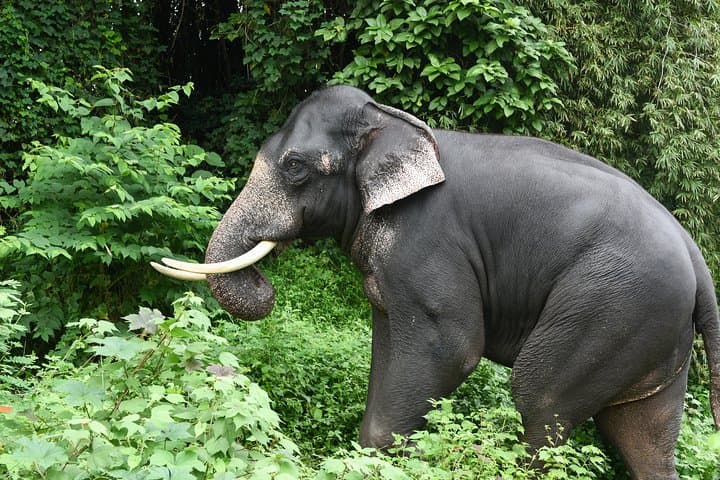
This 18‑night circuit moves from Mumbai’s colonial stone and cinema streets to Kochi’s Chinese nets, down into the Vembanad backwaters of Alleppey, and up through cardamom-scented valleys into Munnar’s 1,600 m tea slopes. It threads Thekkady’s Periyar Lake—where a boat’s wake disturbs foraging elephants—and cuts east into the Nilgiris, Mysore’s royal avenues, Hoysala temples around Hassan and the volcanic boulder fields and ruined temples of Hampi.
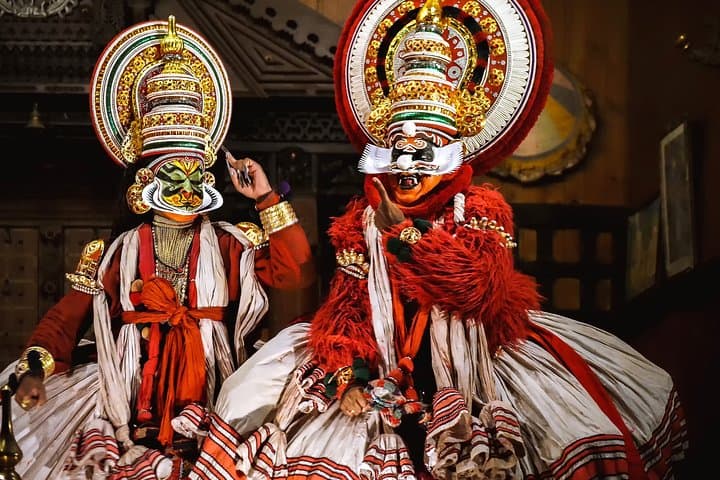
Geology here is visible: the Western Ghats lift abruptly from plains into folded, erosion-carved slopes; Hampi’s granite boulders tell of ancient uplift and long weathering. Culturally the route runs through centuries of trade—Arab, Chinese, Portuguese and British influences are visible in Kochi’s architecture, spice gardens and cuisine—and through living religious traditions at Mysore and Hampi.
Practical guidance is straightforward. Expect long road transfers in air‑conditioned vehicles, interspersed with boat cruises and easy village walks. Pack for humid lowlands and cool hill stations: quick‑dry layers, a light rain jacket for monsoon showers, sturdy walking shoes and a daypack for cameras, water and sunscreen. Plan mornings for boat trips and wildlife viewing when animals and birds are most active; afternoons suit market visits and temple tours. Travel documents (visa, passport) and basic vaccinations should be current. Move deliberately: this itinerary rewards slow observation—tea terraces, temple carvings and backwater light—all best seen without rushing, with respectful attention to local customs and wildlife distances.
moderate.
18–19 days.
Suitable for travelers in average fitness; expects long vehicle transfers, short walks and some uneven terrain at ruins and hill walks.
breakfasts are included daily and the houseboat meals are covered; some lunches and dinners in towns may be at your discretion—confirm specifics with the operator.
Yes—transport is private and paced, but longer transfers and uneven surfaces at ruins mean modest mobility is helpful; inform the operator of any mobility needs when booking.
Visitors need a valid passport and Indian visa; routine vaccinations are recommended and consult a travel clinic for up‑to‑date advice on typhoid and hepatitis A.
Expect short to moderate walks on uneven ground—stone steps, boulder fields and tea paths—so bring appropriate footwear and allow extra time for slower sections.
The route traces coastal trade routes and inland kingdoms; Kerala’s ports hosted Arab and Chinese traders for centuries, while the Vijayanagara Empire left Hampi’s monumental ruins.
The Western Ghats are a biodiversity hotspot; practice low‑impact travel—avoid single‑use plastics, keep distance from wildlife and support community‑run homestays and conservation fees.
Incredible Real India Tours operates guided outdoor trips and adventures with an emphasis on safety, stewardship, and memorable experiences.
The morning light on a Kerala backwater arrives slowly, turning the reed-lined canals to burnished green while houseboat chimneys send up the faint scent of coconut oil and simmering curry.
The morning light on a Kerala backwater arrives slowly, turning the reed-lined canals to burnished green while houseboat chimneys send up the faint scent of coconut oil and simmering curry.
This 18‑night circuit moves from Mumbai’s colonial stone and cinema streets to Kochi’s Chinese nets, down into the Vembanad backwaters of Alleppey, and up through cardamom-scented valleys into Munnar’s 1,600 m tea slopes. It threads Thekkady’s Periyar Lake—where a boat’s wake disturbs foraging elephants—and cuts east into the Nilgiris, Mysore’s royal avenues, Hoysala temples around Hassan and the volcanic boulder fields and ruined temples of Hampi.
Geology here is visible: the Western Ghats lift abruptly from plains into folded, erosion-carved slopes; Hampi’s granite boulders tell of ancient uplift and long weathering. Culturally the route runs through centuries of trade—Arab, Chinese, Portuguese and British influences are visible in Kochi’s architecture, spice gardens and cuisine—and through living religious traditions at Mysore and Hampi.
Practical guidance is straightforward. Expect long road transfers in air‑conditioned vehicles, interspersed with boat cruises and easy village walks. Pack for humid lowlands and cool hill stations: quick‑dry layers, a light rain jacket for monsoon showers, sturdy walking shoes and a daypack for cameras, water and sunscreen. Plan mornings for boat trips and wildlife viewing when animals and birds are most active; afternoons suit market visits and temple tours. Travel documents (visa, passport) and basic vaccinations should be current. Move deliberately: this itinerary rewards slow observation—tea terraces, temple carvings and backwater light—all best seen without rushing, with respectful attention to local customs and wildlife distances.