THE ADVENTURE COLLECTIVE® · Independent discovery and booking for outdoor travel

Cross volcanic gravel, soak in geothermal baths, hike a glacier tongue and paddle among icebergs on a 10-day small-group route through South Iceland and the highlands. This trip skips the usual checklist visits for hands-on trekking, highland huts, and quiet corners of the interior.
Cross volcanic gravel, soak in geothermal baths, hike a glacier tongue and paddle among icebergs on a 10-day small-group route through South Iceland and the highlands. This trip skips the usual checklist visits for hands-on trekking, highland huts, and quiet corners of the interior.
A cold wind cuts across the black sand as the van climbs a gravel track into the highlands, windows fogging momentarily before revealing a ridge scored in rust and ochre. Ahead, steams rise from geothermal vents and a distant glacier shudders in the afternoon light. This is not the postcard route; it’s a design for people who want to move through Iceland—on foot, on ice, and by kayak—watching the country rework itself between eruptions and tides.
Verified experiences and guided adventures in the surrounding area.
Operated by 5elemenTravel · Reykjavík, Southern Region
A cold wind cuts across the black sand as the van climbs a gravel track into the highlands, windows fogging momentarily before revealing a ridge scored in rust and ochre. Ahead, steams rise from geothermal vents and a distant glacier shudders in the afternoon light. This is not the postcard route; it’s a design for people who want to move through Iceland—on foot, on ice, and by kayak—watching the country rework itself between eruptions and tides.
Over ten days the trip threads together Fagradalsfjall’s recent lava fields, the rhyolite slopes of Landmannalaugar, thermal pools in Kerlingarfjöll, and the cold glass of Vatnajökull’s outlet tongues. Geology explains the choreography: Iceland sits on the Mid-Atlantic Ridge, where rift volcanism and persistent glaciation trade landscapes. Gullfoss and Thingvellir tell the human story—settlement, law, and survival in a place that can shift overnight. The highlands were long a seasonal interior used for sheep and refuge; now the huts and glamping tents let you sleep where ash and steam still shape the skyline.
The days vary: expect 5–12 km treks across lava deserts and moss fields with 100–600 m of elevation gain on single outings. Kerlingarfjöll’s geothermal slopes offer short, steep day-hikes and natural hot baths; Landmannalaugar’s classic routes send you over colorful ridges and obsidian-strewn passes. On Vatnajökull you’ll switch to crampons and roped glacier travel—guided instruction is supplied—and the glacier hikes typically involve a few hours on ice with gentle elevation changes but uneven footing. Kayaking in Jökulsárlón is calm but demands respect: icebergs shift, currents nudge dories, and guides brief paddlers for 2–3 hour outings covering a few kilometers through a lagoon of blue ice and black water.
Practical edge: layer for wind and wet, not just cold. Good waterproof boots (stiff-soled for crampons), gaiters, and trekking poles will save your knees on scree and glacier moraines. Bring a dry bag for electronics on the kayak and a small harness-friendly backpack for glacier sessions. Plan for long daylight in summer and rapidly changing weather year-round; guides will adjust routes for safety.
This itinerary balances classic highlights with quieter canyons, hot tubs, and a small-group rhythm—10 people, a 4×4 van, and certified guides. Whether you’re stepping onto blue ice for the first time or tracing a river-carved gorge, the trip asks you to move deliberately and leave no trace: pack out what you bring in, keep to paths where they exist, and respect the fragile moss and geothermal features that make Iceland both wild and walkable.
challenging.
10 days.
Suitable for travelers with good aerobic fitness and leg strength; able to hike 5–12 km on uneven terrain and participate in glacier travel.
No prior glacier experience is required; guides provide instruction and technical equipment, but participants should be comfortable walking on uneven ice and following roped team procedures.
Yes—visits to natural and managed thermal baths like Fontana and highland hot pools are included at planned stops.
Groups are small—up to 10 travelers with an experienced guide and driver in a 4×4 van.
Yes; lagoon kayaking is guided, calm, and brief, though paddlers should be able to handle basic strokes and wear provided flotation gear.
The tour can be canceled or rescheduled due to severe weather; if canceled at least 24 hours before departure you are eligible for a full refund per the operator’s policy.
Basic glacier equipment (crampons, harness, ropes) is provided by guides; bring suitable boots, gloves, and any personal layering you prefer.
The route crosses landscapes shaped by repeated eruptions and early settler routes; Thingvellir nearby was the site of Iceland’s original assembly and laws from 930 AD.
Highland ecosystems recover slowly—stay on established paths, avoid trampling moss, and pack out all waste to minimize impact.
5elemenTravel operates guided outdoor trips and adventures with an emphasis on safety, stewardship, and memorable experiences.
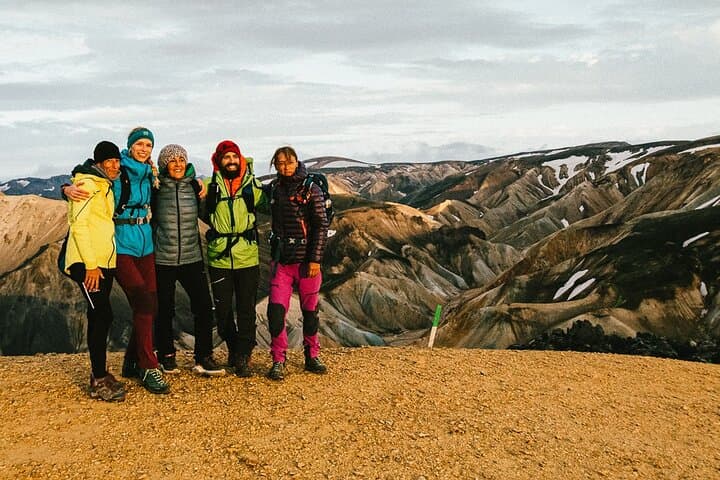
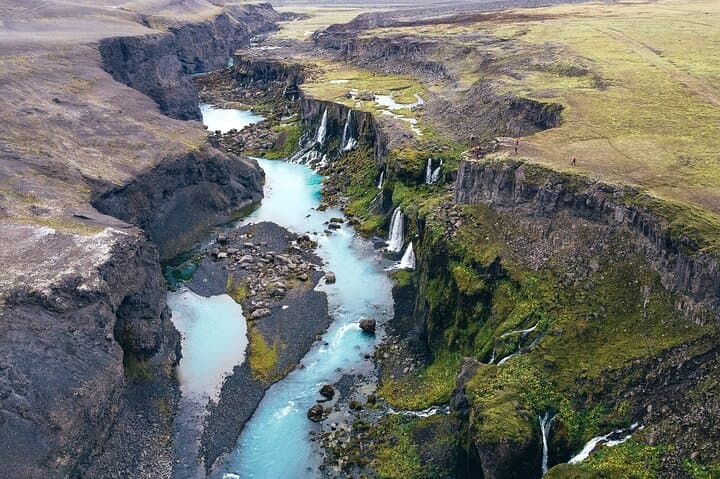
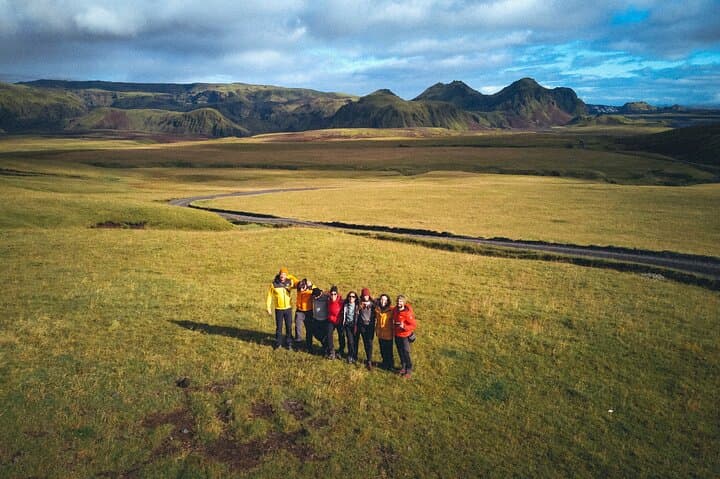
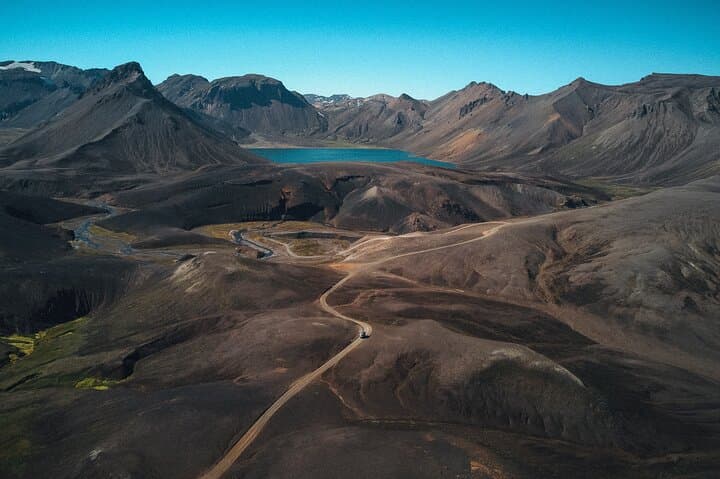
A cold wind cuts across the black sand as the van climbs a gravel track into the highlands, windows fogging momentarily before revealing a ridge scored in rust and ochre. Ahead, steams rise from geothermal vents and a distant glacier shudders in the afternoon light. This is not the postcard route; it’s a design for people who want to move through Iceland—on foot, on ice, and by kayak—watching the country rework itself between eruptions and tides.
A cold wind cuts across the black sand as the van climbs a gravel track into the highlands, windows fogging momentarily before revealing a ridge scored in rust and ochre. Ahead, steams rise from geothermal vents and a distant glacier shudders in the afternoon light. This is not the postcard route; it’s a design for people who want to move through Iceland—on foot, on ice, and by kayak—watching the country rework itself between eruptions and tides.
Over ten days the trip threads together Fagradalsfjall’s recent lava fields, the rhyolite slopes of Landmannalaugar, thermal pools in Kerlingarfjöll, and the cold glass of Vatnajökull’s outlet tongues. Geology explains the choreography: Iceland sits on the Mid-Atlantic Ridge, where rift volcanism and persistent glaciation trade landscapes. Gullfoss and Thingvellir tell the human story—settlement, law, and survival in a place that can shift overnight. The highlands were long a seasonal interior used for sheep and refuge; now the huts and glamping tents let you sleep where ash and steam still shape the skyline.
The days vary: expect 5–12 km treks across lava deserts and moss fields with 100–600 m of elevation gain on single outings. Kerlingarfjöll’s geothermal slopes offer short, steep day-hikes and natural hot baths; Landmannalaugar’s classic routes send you over colorful ridges and obsidian-strewn passes. On Vatnajökull you’ll switch to crampons and roped glacier travel—guided instruction is supplied—and the glacier hikes typically involve a few hours on ice with gentle elevation changes but uneven footing. Kayaking in Jökulsárlón is calm but demands respect: icebergs shift, currents nudge dories, and guides brief paddlers for 2–3 hour outings covering a few kilometers through a lagoon of blue ice and black water.
Practical edge: layer for wind and wet, not just cold. Good waterproof boots (stiff-soled for crampons), gaiters, and trekking poles will save your knees on scree and glacier moraines. Bring a dry bag for electronics on the kayak and a small harness-friendly backpack for glacier sessions. Plan for long daylight in summer and rapidly changing weather year-round; guides will adjust routes for safety.
This itinerary balances classic highlights with quieter canyons, hot tubs, and a small-group rhythm—10 people, a 4×4 van, and certified guides. Whether you’re stepping onto blue ice for the first time or tracing a river-carved gorge, the trip asks you to move deliberately and leave no trace: pack out what you bring in, keep to paths where they exist, and respect the fragile moss and geothermal features that make Iceland both wild and walkable.