THE ADVENTURE COLLECTIVE® · Independent discovery and booking for outdoor travel

Explore South Goa’s calmer heart on a full-day guided tour from Margao: colonial mansions, the Goa Chitra museum, the Figueiredo Mansion and a hands-on spice plantation visit with food tasting. Plan for an eight-hour day with light walking and lots of sensory stops.
Explore South Goa’s calmer heart on a full-day guided tour from Margao: colonial mansions, the Goa Chitra museum, the Figueiredo Mansion and a hands-on spice plantation visit with food tasting. Plan for an eight-hour day with light walking and lots of sensory stops.
Morning light spills across the Sal River as a small convoy of air-conditioned cars threads away from Margao, the city that anchors South Goa’s calmer coast. The driver slips through quiet Latin Quarter lanes where Portuguese-era mansions meet Hindu temples; sea breeze and spice-scented air trade places over the course of a single day.
Verified experiences and guided adventures in the surrounding area.
Operated by Yo Tours Goa · Margao (Margaon), Goa
Morning light spills across the Sal River as a small convoy of air-conditioned cars threads away from Margao, the city that anchors South Goa’s calmer coast. The driver slips through quiet Latin Quarter lanes where Portuguese-era mansions meet Hindu temples; sea breeze and spice-scented air trade places over the course of a single day.
The route stitches together distinct chapters: Margao’s colonial grid and market life, the Goa Chitra’s ethnographic displays of agrarian pasts, the Figueiredo Mansion’s opulent rooms and gardens, and a working spice plantation in Ponda where pepper vines and cardamom bushes climb toward the canopy. Geologically, South Goa rides a coastal plain of lateritic soils that support dense tropical growth; culturally, the area reflects centuries of Portuguese influence layered over Konkani traditions.
Expect short guided walks at each stop, museum rooms that slow the pace, and a longer, sensory tour through the plantation where guides explain spice uses and local culinary customs. Birds—sometimes rare—call from the trees and the plantation’s humid air seems to insist you breathe a little slower.
Practical guidance: the day runs about eight hours with vehicle transfers between sites, light walking on uneven surfaces, and modest steps in heritage homes and temple precincts. Carry sun protection, comfortable closed shoes for dusty plantation paths, and a small amount of cash for market purchases or tips. The itinerary is family-friendly and suitable for most fitness levels, but start on time—pickups and departures are punctual.
easy.
8 hours.
Light walking and standing throughout the day; suitable for most fitness levels.
The tour is approximately eight hours long and includes transportation in an air-conditioned vehicle, a guided spice plantation visit with food tasting, and guided stops at listed heritage sites; some museum admissions may not be included.
Yes—this is family-friendly and labeled suitable for all fitness levels, though expect some walking and steps at temples and heritage homes.
Yes—private tours provide pickup options; you’ll be asked to choose a pickup point at booking and to confirm contact details for coordination.
Wear modest, comfortable clothing, closed-toe shoes for plantation trails, and a scarf or shawl for temple visits where modest dress is required.
South Goa’s towns grew under Portuguese rule from the 16th century onward, blending Catholic architecture with local Konkani culture and temple traditions.
Spice plantations often sustain traditional agroforestry; visitors should stick to paths, avoid littering, and support operators who practice sustainable harvesting and bird-friendly shade cropping.
Yo Tours Goa operates guided outdoor trips and adventures with an emphasis on safety, stewardship, and memorable experiences.
Morning light spills across the Sal River as a small convoy of air-conditioned cars threads away from Margao, the city that anchors South Goa’s calmer coast. The driver slips through quiet Latin Quarter lanes where Portuguese-era mansions meet Hindu temples; sea breeze and spice-scented air trade places over the course of a single day.
Morning light spills across the Sal River as a small convoy of air-conditioned cars threads away from Margao, the city that anchors South Goa’s calmer coast. The driver slips through quiet Latin Quarter lanes where Portuguese-era mansions meet Hindu temples; sea breeze and spice-scented air trade places over the course of a single day.
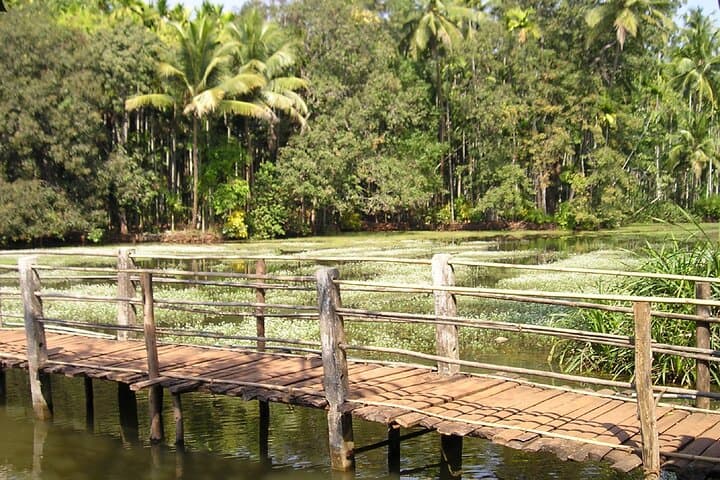
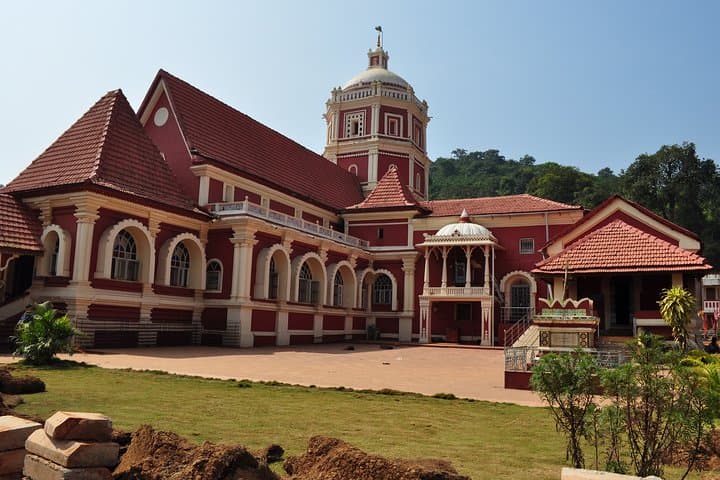
The route stitches together distinct chapters: Margao’s colonial grid and market life, the Goa Chitra’s ethnographic displays of agrarian pasts, the Figueiredo Mansion’s opulent rooms and gardens, and a working spice plantation in Ponda where pepper vines and cardamom bushes climb toward the canopy. Geologically, South Goa rides a coastal plain of lateritic soils that support dense tropical growth; culturally, the area reflects centuries of Portuguese influence layered over Konkani traditions.
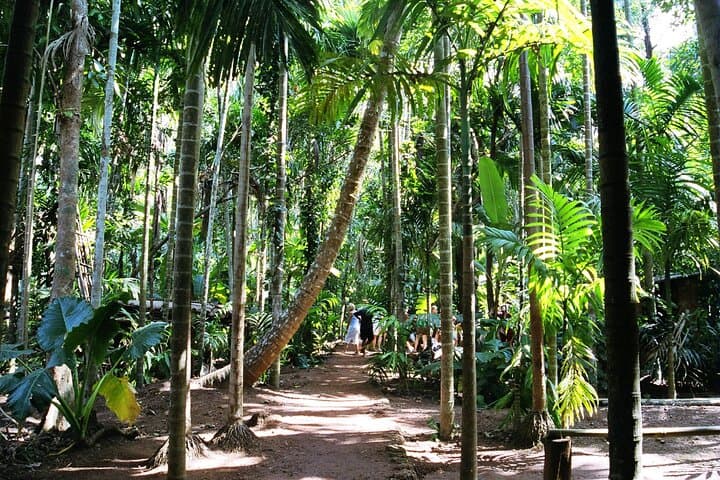
Expect short guided walks at each stop, museum rooms that slow the pace, and a longer, sensory tour through the plantation where guides explain spice uses and local culinary customs. Birds—sometimes rare—call from the trees and the plantation’s humid air seems to insist you breathe a little slower.
Practical guidance: the day runs about eight hours with vehicle transfers between sites, light walking on uneven surfaces, and modest steps in heritage homes and temple precincts. Carry sun protection, comfortable closed shoes for dusty plantation paths, and a small amount of cash for market purchases or tips. The itinerary is family-friendly and suitable for most fitness levels, but start on time—pickups and departures are punctual.