THE ADVENTURE COLLECTIVE® · Independent discovery and booking for outdoor travel

A half-day run on the South Fork American River balances thrilling Class 2–3 rapids with calmer swimming stretches and Gold Rush history. Guided trips are family-friendly and provide all safety gear and instruction.
A half-day run on the South Fork American River balances thrilling Class 2–3 rapids with calmer swimming stretches and Gold Rush history. Guided trips are family-friendly and provide all safety gear and instruction.
The oars dip in a breath of cold water and the raft answers—forward, then sideways—riding a band of riffles that suddenly remembers it is a river.
Verified experiences and guided adventures in the surrounding area.
Operated by All-Outdoors California Whitewater Rafting · Coloma, California
The oars dip in a breath of cold water and the raft answers—forward, then sideways—riding a band of riffles that suddenly remembers it is a river.
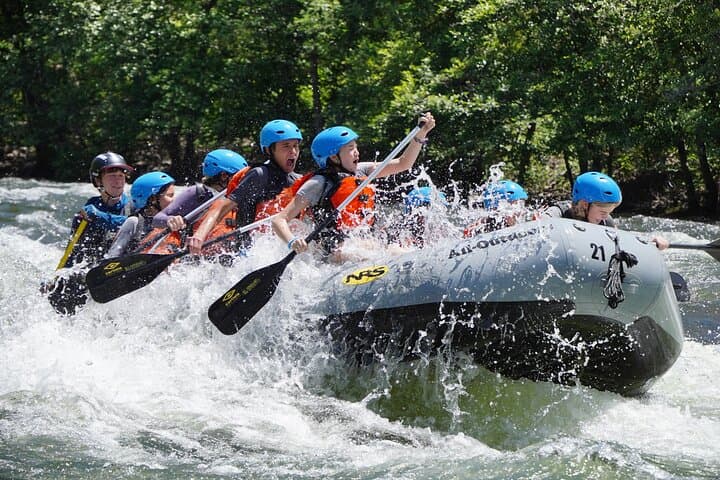
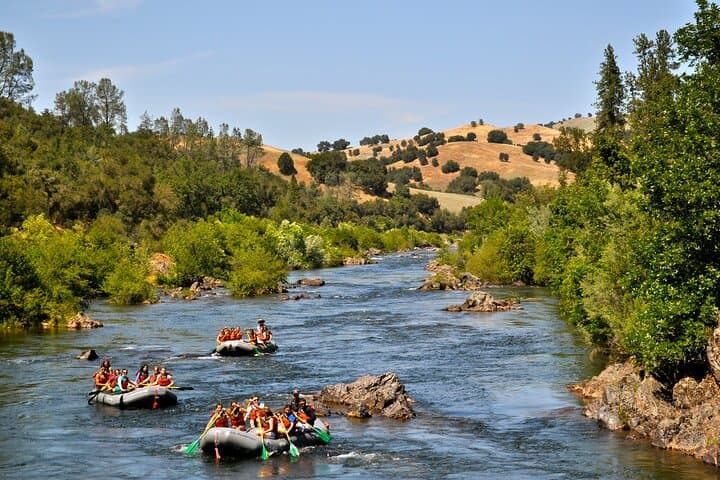
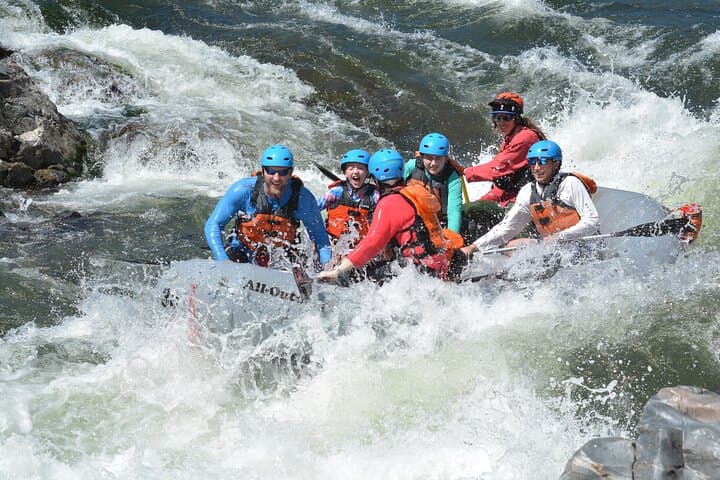
On the South Fork of the American River, the current sets the pace: a pulse of Class 2–3 rapids that alternates with calm pools where the cliff-lined canyon opens to sunlit gravel bars. Guides call out commands, share the river’s Gold Rush stories, and time a pause for a jump or a cool swim. Geologically the corridor cuts through Sierra foothill volcanic and metamorphic rock; barked oaks and manzanita hold steep slopes that funnel water into sudden waves and eddies.
This stretch has deep cultural roots—the American River corridor was a focal point in 1848–49, sending prospectors downstream and shaping local towns. Today, guided operators pair safety with interpretation: river ecology, seasonal flow patterns and how past mining shaped the banks.
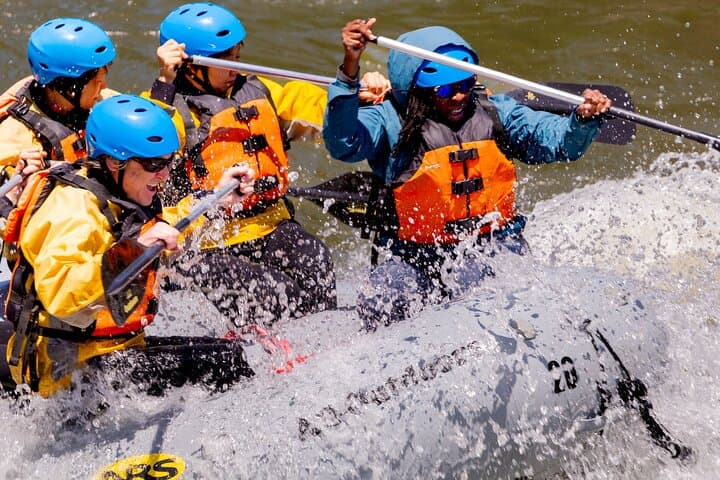
Practicalities are tidy. Half-day trips typically last about four hours including shuttle time. Expect wet shoes, a provided PFD and helmet, and on-season wetsuits or splash jackets. Hydrate before you board, wear quick-dry layers and secure sunglasses. Morning launches can be cooler and calmer; late morning often brings fuller flows and livelier rapids.
For first-timers and families the South Fork is an excellent introduction to whitewater—enough punch to thrill but guided to be accessible. Leave no trace on shore breaks, follow guide instructions, and you’ll finish the day with adrenaline, stories, and a clear memory of river water pushing you forward.
moderate.
4 hours.
Suitable for most people with basic stamina; ability to sit and paddle for short bursts and climb in/out of a raft is required.
Trips are family-friendly and suitable for a wide range of fitness levels; guides tailor instruction and can accommodate beginners and kids meeting minimum age/weight requirements.
No—professional guides give paddle instruction and safety briefings; basic willingness to follow commands and participate is all that’s required.
Expect to get splashed and possibly swim—operators provide PFDs and seasonally offer wetsuits or splash jackets if water is cold.
Most tours include a river shuttle from a central meet point; check the operator’s meeting location and allow time for check-in and shuttle transport.
The South Fork corridor was central to California’s 1848–49 Gold Rush; prospectors used the river for transport and placer mining, shaping many riverside towns.
Operators adhere to park regulations and practice leave-no-trace; visitors are encouraged to avoid disturbing riparian vegetation and to pack out all trash to protect water quality.
All-Outdoors California Whitewater Rafting operates guided outdoor trips and adventures with an emphasis on safety, stewardship, and memorable experiences.
The oars dip in a breath of cold water and the raft answers—forward, then sideways—riding a band of riffles that suddenly remembers it is a river.
The oars dip in a breath of cold water and the raft answers—forward, then sideways—riding a band of riffles that suddenly remembers it is a river.
On the South Fork of the American River, the current sets the pace: a pulse of Class 2–3 rapids that alternates with calm pools where the cliff-lined canyon opens to sunlit gravel bars. Guides call out commands, share the river’s Gold Rush stories, and time a pause for a jump or a cool swim. Geologically the corridor cuts through Sierra foothill volcanic and metamorphic rock; barked oaks and manzanita hold steep slopes that funnel water into sudden waves and eddies.
This stretch has deep cultural roots—the American River corridor was a focal point in 1848–49, sending prospectors downstream and shaping local towns. Today, guided operators pair safety with interpretation: river ecology, seasonal flow patterns and how past mining shaped the banks.
Practicalities are tidy. Half-day trips typically last about four hours including shuttle time. Expect wet shoes, a provided PFD and helmet, and on-season wetsuits or splash jackets. Hydrate before you board, wear quick-dry layers and secure sunglasses. Morning launches can be cooler and calmer; late morning often brings fuller flows and livelier rapids.
For first-timers and families the South Fork is an excellent introduction to whitewater—enough punch to thrill but guided to be accessible. Leave no trace on shore breaks, follow guide instructions, and you’ll finish the day with adrenaline, stories, and a clear memory of river water pushing you forward.