THE ADVENTURE COLLECTIVE® · Independent discovery and booking for outdoor travel

Trace hermit paths through a limestone gorge, swim in clear Libyan Sea coves and end the day with a family-run sunset dinner on Matala beach. This nine-hour South Crete excursion blends light hiking, local history and coastal swimming.
Trace hermit paths through a limestone gorge, swim in clear Libyan Sea coves and end the day with a family-run sunset dinner on Matala beach. This nine-hour South Crete excursion blends light hiking, local history and coastal swimming.
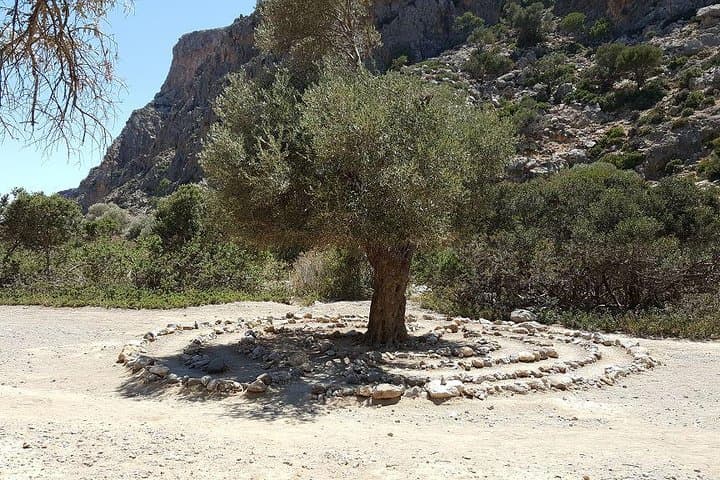
You arrive on a southern Crete road where limestone cliffs drop toward the Libyan Sea and the air tastes faintly of resin and thyme. The gorge of the Eremits (Agia Farango) opens like a cut in the island’s spine; the trail threads a narrow floor shaded by plane and cypress trees, and the sea waits beyond in a pocket of white sand where the water is startlingly clear.
Verified experiences and guided adventures in the surrounding area.
Operated by TOURLINE · Matala, Crete
You arrive on a southern Crete road where limestone cliffs drop toward the Libyan Sea and the air tastes faintly of resin and thyme. The gorge of the Eremits (Agia Farango) opens like a cut in the island’s spine; the trail threads a narrow floor shaded by plane and cypress trees, and the sea waits beyond in a pocket of white sand where the water is startlingly clear.
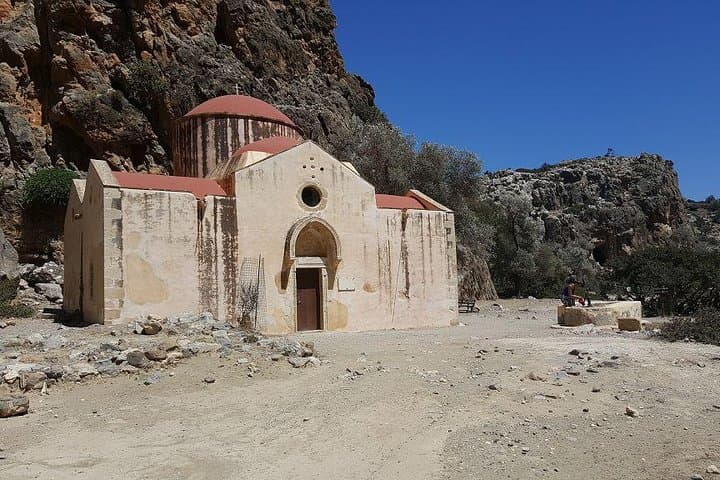
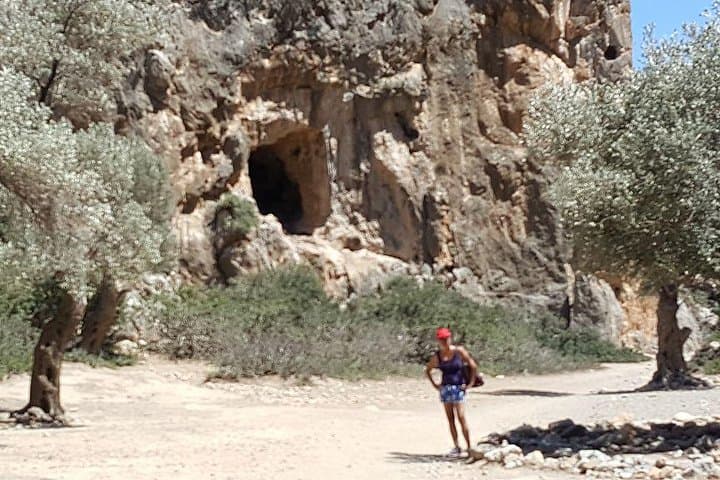
Walkers follow routes once used by hermits and monks; the nearby monastery above the gorge played a role during Ottoman-era conflicts and still preserves simple stonework and devotion in its courtyard. Geologically the area is carved from Mesozoic limestone — expect scree, carved rock ledges and sudden swim-ready coves where the Libyan Sea pushes at the shore. Matala onwards is the human counterpoint: caves hewn into cliffs that became a hippie refuge in the 1960s and now frame a dramatic sunset.
Practically, the day is a nine-hour loop of light hiking, short coastal swims, a visit to a local herb stall, and a family-run dinner as the sun drops. Trails are mostly well-worn but uneven; bring sensible footwear and a dry bag for swims. Aim to arrive at the beach an hour before sunset for the best light and calmer sea.
Timing matters: spring and fall offer cooler hiking and blooming herbs; summer brings hot sun and calm sea conditions. Respect grazing land and archaeological sites, carry out waste, and support local tavernas — a small purchase goes a long way in these coastal communities.
easy.
9 hours.
Suitable for walkers in basic to good condition; able to handle several hours of uneven walking and short swims.
The excursion is approximately 9 hours and includes air-conditioned transport, a sunset dinner with water and wine, and coffee/tea; specific sites visited include a herbs stall, the monastery above Agia Farango and Matala beach.
The tour is described as suitable for all fitness levels but involves uneven paths and some steps; travelers with significant mobility issues or cardiovascular concerns should consult the operator first.
Bring some cash for small purchases like herbs, souvenirs or additional drinks; most family tavernas on the route accept cash and may not take cards.
Yes, there are opportunities to swim; towels and snorkel gear are not typically provided, so bring your own if needed.
The caves at Matala became an iconic 1960s refuge and the monastery above Agia Farango was a local center during Ottoman-era resistance in the 19th century.
This coastline has fragile coastal vegetation and archaeological sites; visitors should stick to paths, avoid removing plants or antiquities, and pack out all waste.
TOURLINE operates guided outdoor trips and adventures with an emphasis on safety, stewardship, and memorable experiences.
You arrive on a southern Crete road where limestone cliffs drop toward the Libyan Sea and the air tastes faintly of resin and thyme. The gorge of the Eremits (Agia Farango) opens like a cut in the island’s spine; the trail threads a narrow floor shaded by plane and cypress trees, and the sea waits beyond in a pocket of white sand where the water is startlingly clear.
You arrive on a southern Crete road where limestone cliffs drop toward the Libyan Sea and the air tastes faintly of resin and thyme. The gorge of the Eremits (Agia Farango) opens like a cut in the island’s spine; the trail threads a narrow floor shaded by plane and cypress trees, and the sea waits beyond in a pocket of white sand where the water is startlingly clear.
Walkers follow routes once used by hermits and monks; the nearby monastery above the gorge played a role during Ottoman-era conflicts and still preserves simple stonework and devotion in its courtyard. Geologically the area is carved from Mesozoic limestone — expect scree, carved rock ledges and sudden swim-ready coves where the Libyan Sea pushes at the shore. Matala onwards is the human counterpoint: caves hewn into cliffs that became a hippie refuge in the 1960s and now frame a dramatic sunset.
Practically, the day is a nine-hour loop of light hiking, short coastal swims, a visit to a local herb stall, and a family-run dinner as the sun drops. Trails are mostly well-worn but uneven; bring sensible footwear and a dry bag for swims. Aim to arrive at the beach an hour before sunset for the best light and calmer sea.
Timing matters: spring and fall offer cooler hiking and blooming herbs; summer brings hot sun and calm sea conditions. Respect grazing land and archaeological sites, carry out waste, and support local tavernas — a small purchase goes a long way in these coastal communities.