THE ADVENTURE COLLECTIVE® · Independent discovery and booking for outdoor travel

A full-day drive from Reykjavík along Iceland’s south coast visits Seljalandsfoss and Skógafoss plus lesser-known gems like Gluggafoss and Kvernufoss. Expect wet, uneven terrain, spectacular photo ops and clear geological stories about lava, ice and river carving.
A full-day drive from Reykjavík along Iceland’s south coast visits Seljalandsfoss and Skógafoss plus lesser-known gems like Gluggafoss and Kvernufoss. Expect wet, uneven terrain, spectacular photo ops and clear geological stories about lava, ice and river carving.
The morning drive out of Reykjavík loosens the city and replaces it with a rhythm of basalt cliffs, black sand flats and the steady pulse of glacial rivers daring you forward.
Verified experiences and guided adventures in the surrounding area.
Operated by Geoadventures Iceland · Reykjavík, Southern Region
The morning drive out of Reykjavík loosens the city and replaces it with a rhythm of basalt cliffs, black sand flats and the steady pulse of glacial rivers daring you forward.
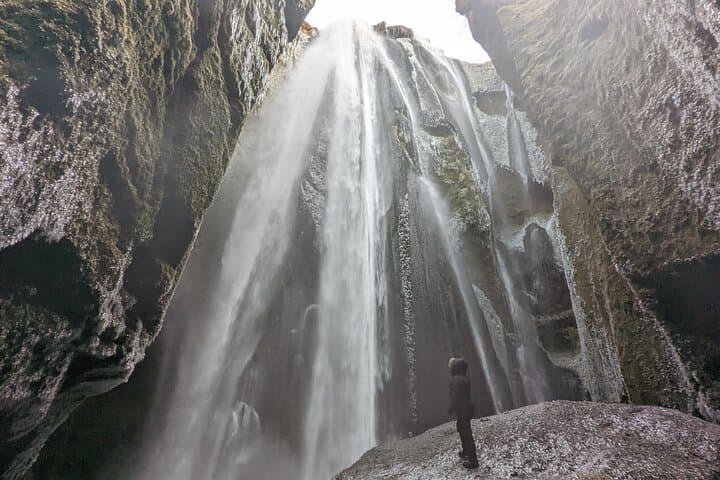
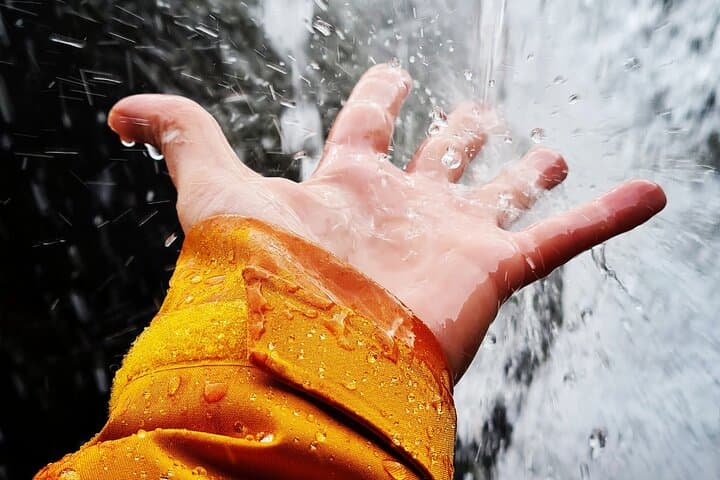
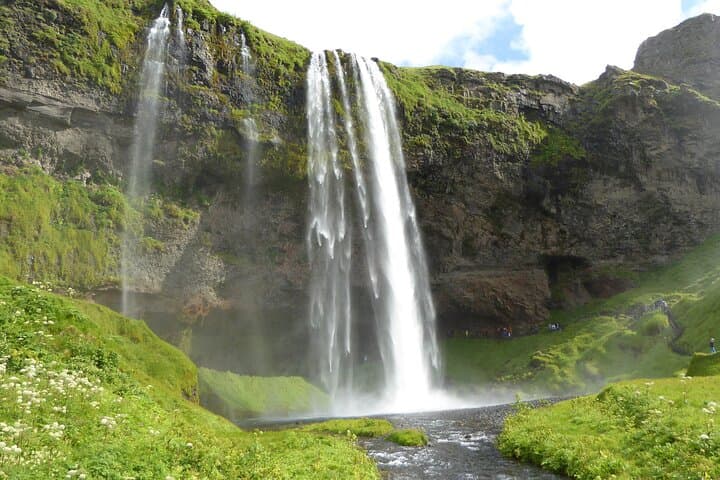
By mid-morning you’re stepping out where spray meets wind—Seljalandsfoss hurls sheets of water off ancient lava escarpments, and nearby falls hide in mossy gullies where you can walk behind the curtain and feel the force of meltwater on your face.
Geology here is direct: repeated eruptions laid down layers of lava, later carved by ice and rivers into cliffs, canyons and the vertical drops you visit. Human history is short but visible—old farmsteads and tracks follow routes carved during the settlement era, and place names preserve stories of the people who worked this land.
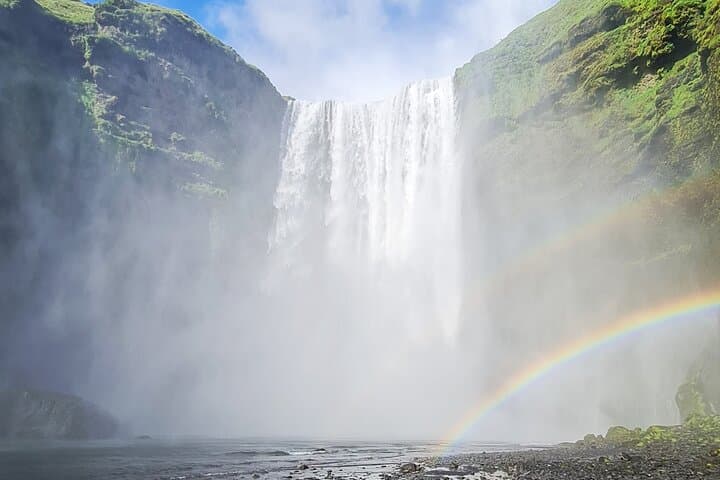
The tour mixes famous stops—Seljalandsfoss and Skógafoss—with quieter pockets like Gluggafoss and Kvernufoss, letting you see both the popular views and low-traffic niches where moss and caves make for better photos.
Practical edge: expect 10-hour days with frequent short walks (some uneven, often wet). Waterproof outer layers and boots matter more than a heavy pack. In winter, sections behind waterfalls or cliff paths may be closed for safety; in summer, arrive early for softer light and fewer crowds. Bring a camera you can shield from spray and a small daypack with snacks and a warm midlayer—this is landscape travel where weather and ground demand attention but reward you with the raw, kinetic Icelandic coast.
easy.
10 hours.
Basic fitness for multiple short walks and some stair climbs; able to walk on wet, uneven ground.
The tour is approximately 10 hours and departs from Bus Stop #8 at Hallgrímskirkja in Reykjavík with return to the same stop.
Sometimes—the path behind Seljalandsfoss may be closed during winter due to ice; guides will adjust visits for safety and access.
Yes—routes are family-friendly with mostly short walks, but be prepared for wet, slippery ground and bring appropriate footwear and layers.
Parking fees are covered; there are planned 20–30 minute stops at each waterfall with time allotted for photos and brief hikes.
The south coast landscape is sculpted by volcanic eruptions and repeated glaciations; many waterfalls sit where lava layers meet softer sediment carved by meltwater.
Stick to marked paths to limit erosion around fragile moss and cliff edges; avoid trampling vegetation and pack out all waste.
Geoadventures Iceland operates guided outdoor trips and adventures with an emphasis on safety, stewardship, and memorable experiences.
The morning drive out of Reykjavík loosens the city and replaces it with a rhythm of basalt cliffs, black sand flats and the steady pulse of glacial rivers daring you forward.
The morning drive out of Reykjavík loosens the city and replaces it with a rhythm of basalt cliffs, black sand flats and the steady pulse of glacial rivers daring you forward.
By mid-morning you’re stepping out where spray meets wind—Seljalandsfoss hurls sheets of water off ancient lava escarpments, and nearby falls hide in mossy gullies where you can walk behind the curtain and feel the force of meltwater on your face.
Geology here is direct: repeated eruptions laid down layers of lava, later carved by ice and rivers into cliffs, canyons and the vertical drops you visit. Human history is short but visible—old farmsteads and tracks follow routes carved during the settlement era, and place names preserve stories of the people who worked this land.
The tour mixes famous stops—Seljalandsfoss and Skógafoss—with quieter pockets like Gluggafoss and Kvernufoss, letting you see both the popular views and low-traffic niches where moss and caves make for better photos.
Practical edge: expect 10-hour days with frequent short walks (some uneven, often wet). Waterproof outer layers and boots matter more than a heavy pack. In winter, sections behind waterfalls or cliff paths may be closed for safety; in summer, arrive early for softer light and fewer crowds. Bring a camera you can shield from spray and a small daypack with snacks and a warm midlayer—this is landscape travel where weather and ground demand attention but reward you with the raw, kinetic Icelandic coast.