THE ADVENTURE COLLECTIVE® · Independent discovery and booking for outdoor travel

Hit Iceland’s dramatic south coast in a private day tour from Reykjavík: get close to Seljalandsfoss and Skógafoss, view Sólheimajökull’s glacier tongue, and walk Reynisfjara’s black sand with basalt columns. This 8–10 hour itinerary mixes geology, culture, and practical safety tips.
Hit Iceland’s dramatic south coast in a private day tour from Reykjavík: get close to Seljalandsfoss and Skógafoss, view Sólheimajökull’s glacier tongue, and walk Reynisfjara’s black sand with basalt columns. This 8–10 hour itinerary mixes geology, culture, and practical safety tips.
The day begins on a low, gray morning as the minivan peels away from Reykjavík and the coastline opens like a map. You feel the road change — hedgerows give way to lava fields, then to the soft sweep of agricultural plains, and finally the cliffs and rivers that make Iceland’s south coast distinct.
Verified experiences and guided adventures in the surrounding area.
Operated by Iceland Pro Tour · Reykjavík, Suðurland
The day begins on a low, gray morning as the minivan peels away from Reykjavík and the coastline opens like a map. You feel the road change — hedgerows give way to lava fields, then to the soft sweep of agricultural plains, and finally the cliffs and rivers that make Iceland’s south coast distinct.
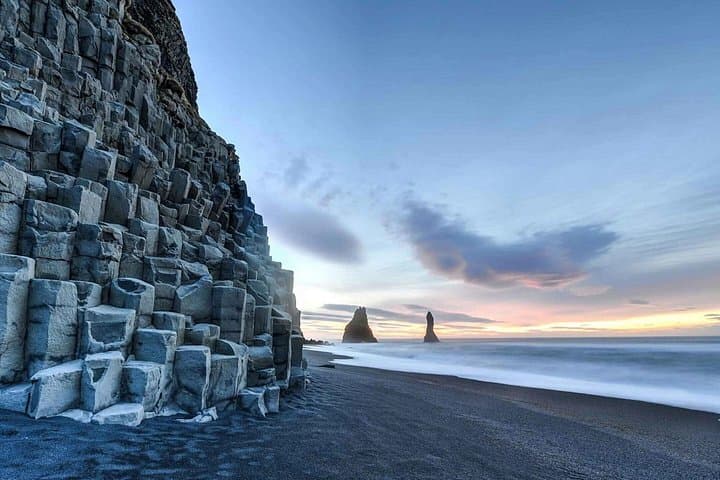
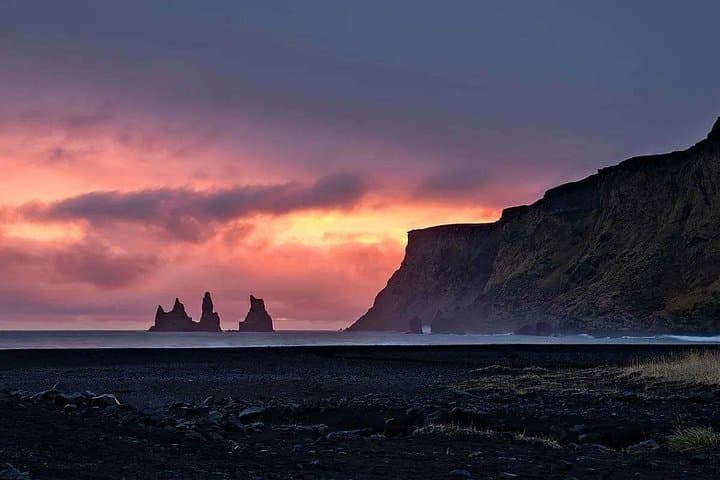
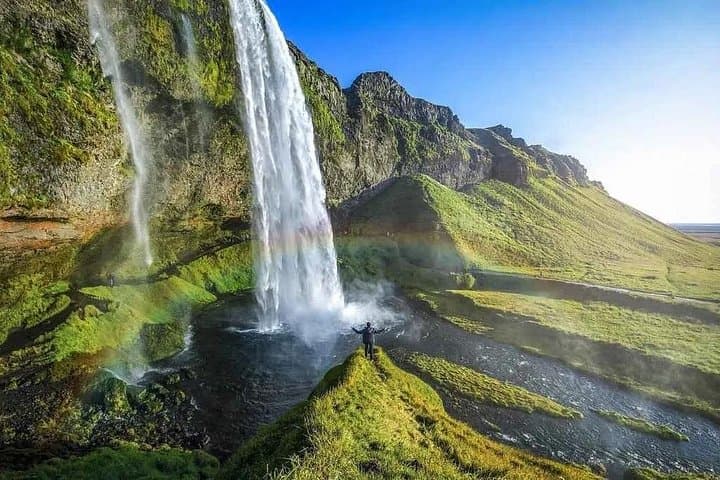
History here is written in fire and ice: Eyjafjallajökull and Katla loom in the background, their eruptions shaping coastlines and communities for centuries. Geology is in plain sight — pillow lava, basalt columns, and 60‑meter waterfalls carved into volcanic bedrock. Skógafoss and Seljalandsfoss deliver raw, audible power; Sólheimajökull exposes blue‑black glacial ice sitting between volcanoes; Reynisfjara’s basalt stacks and black sand warn with sudden sneaker waves.
Culturally, Vík is a fishing village with roughly 750 residents, where turf‑roofed heritage meets modern tourism. Local guides share stories of past floods, aviation disruptions from ash, and how communities adapt to seasonal bird colonies on nearby cliffs.
Practical guidance: expect an 8–10 hour day with multiple short walks on uneven terrain and stairs at viewpoints. Waterproof layers and sturdy footwear are essential; wind and spray can arrive without warning. Photographers should plan short stops for light changes — midday can be flat, late afternoon brings long shadows on the cliffs.
Safety: obey signs at beaches, keep distance from glacier snouts, and allow time for rest stops and lunch. The route is accessible from Reykjavík or Keflavík Airport and suits travelers comfortable with a full day of sightseeing and short hikes.
easy.
8–10 hours.
Suitable for travelers in average condition who can handle short walks (10–30 minutes) on uneven ground and some stairs.
Pickup and drop‑off are available around Reykjavík and Keflavík Airport — confirm your pickup point when booking.
This tour stops at Sólheimajökull for close views; guided glacier walks require specialized equipment and an additional hike with a certified glacier guide.
There are restroom stops and at least one village café in Vík for lunch, but carrying snacks is recommended for flexibility.
Very—sneaker waves can pull people into the surf. Always keep well behind the marked safety line and never turn your back to the ocean.
The south coast’s landscape has been repeatedly reshaped by eruptions from Eyjafjallajökull and Katla; the 2010 eruption briefly grounded flights across Europe.
Trails and beach areas are fragile—stay on marked paths, avoid disturbing nesting birds, and pack out waste; glaciers are retreating due to climate change, so observe but don’t approach unstable ice.
Iceland Pro Tour operates guided outdoor trips and adventures with an emphasis on safety, stewardship, and memorable experiences.
The day begins on a low, gray morning as the minivan peels away from Reykjavík and the coastline opens like a map. You feel the road change — hedgerows give way to lava fields, then to the soft sweep of agricultural plains, and finally the cliffs and rivers that make Iceland’s south coast distinct.
The day begins on a low, gray morning as the minivan peels away from Reykjavík and the coastline opens like a map. You feel the road change — hedgerows give way to lava fields, then to the soft sweep of agricultural plains, and finally the cliffs and rivers that make Iceland’s south coast distinct.
History here is written in fire and ice: Eyjafjallajökull and Katla loom in the background, their eruptions shaping coastlines and communities for centuries. Geology is in plain sight — pillow lava, basalt columns, and 60‑meter waterfalls carved into volcanic bedrock. Skógafoss and Seljalandsfoss deliver raw, audible power; Sólheimajökull exposes blue‑black glacial ice sitting between volcanoes; Reynisfjara’s basalt stacks and black sand warn with sudden sneaker waves.
Culturally, Vík is a fishing village with roughly 750 residents, where turf‑roofed heritage meets modern tourism. Local guides share stories of past floods, aviation disruptions from ash, and how communities adapt to seasonal bird colonies on nearby cliffs.
Practical guidance: expect an 8–10 hour day with multiple short walks on uneven terrain and stairs at viewpoints. Waterproof layers and sturdy footwear are essential; wind and spray can arrive without warning. Photographers should plan short stops for light changes — midday can be flat, late afternoon brings long shadows on the cliffs.
Safety: obey signs at beaches, keep distance from glacier snouts, and allow time for rest stops and lunch. The route is accessible from Reykjavík or Keflavík Airport and suits travelers comfortable with a full day of sightseeing and short hikes.